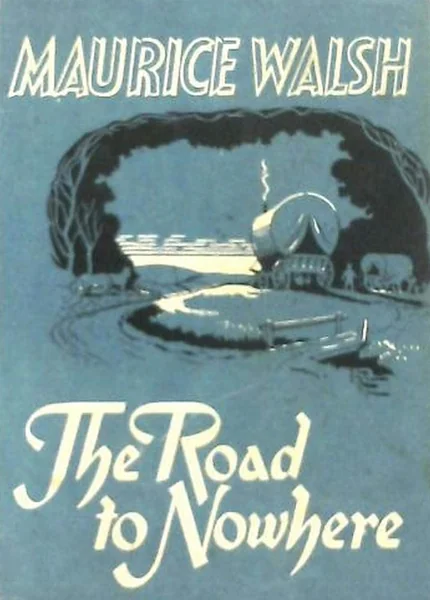
A Journey Through Rural Ireland
Walsh constructs his narrative around the metaphor of travel and destination, using the Irish countryside as both setting and symbol. The rural landscape becomes a character in itself, reflecting the internal states of those who traverse it. The author's intimate knowledge of Irish life shines through in his detailed portrayal of village dynamics, local customs, and the rhythms of country existence.
The title itself suggests philosophical depth – the road to nowhere implies both literal wandering and existential questioning. Characters find themselves caught between traditional ways of life and an uncertain future, a tension that defined much of Ireland during this period. Walsh handles this cultural moment with sensitivity, avoiding both romantic nostalgia and harsh criticism.
Character Portraits in an Uncertain Time
The novel centers on individuals whose lives intersect along both physical and metaphorical journeys. The protagonist struggles with questions of direction and purpose that feel remarkably contemporary despite the 1930s setting. Supporting characters represent different approaches to life's uncertainties – some cling to tradition, others embrace change, and many find themselves uncomfortably suspended between worlds.
Walsh excels at creating authentic dialogue that captures the speech patterns and concerns of rural Ireland. His characters speak with voices that feel genuine rather than constructed, discussing matters both mundane and profound with equal authenticity. The relationships between characters drive the narrative forward, revealing how community bonds both support and constrain individual growth.
Themes of Displacement and Belonging
Central to Walsh's work is the exploration of what it means to belong somewhere – or nowhere. The novel examines how political upheaval, economic uncertainty, and social change can leave individuals feeling rootless despite deep connections to place and family. This theme speaks to universal experiences of displacement that extend well beyond the Irish context.
The author also investigates the nature of progress and whether movement necessarily equals advancement. Characters question whether their journeys lead toward meaningful destinations or simply away from familiar disappointments. This philosophical questioning elevates the novel above simple regional fiction into something more universally resonant.
Walsh's Literary Craft
Maurice Walsh demonstrates considerable skill in balancing psychological insight with narrative momentum. His prose style reflects the measured pace of rural life while maintaining enough tension to keep readers engaged. The author avoids the excessive sentimentality that sometimes mars period fiction, instead offering a more nuanced view of Irish life.
The novel's structure mirrors its thematic concerns, with chapters that feel like waypoints on a longer journey rather than rigid plot divisions. Walsh allows his story to unfold naturally, trusting readers to appreciate character development over dramatic incident. This patient approach may challenge readers accustomed to faster-paced contemporary fiction, but it serves the material well.
Where It Shines and Where It Struggles
Walsh's greatest strength lies in his authentic portrayal of a specific time and place. The novel succeeds as both historical document and literary work, capturing details of 1930s Irish life with remarkable precision. His character development shows genuine psychological insight, creating individuals who feel real rather than symbolic.
However, the novel's deliberate pacing may frustrate modern readers expecting more dramatic action. Some sections feel overly contemplative, with philosophical discussions that occasionally slow narrative momentum. The resolution feels somewhat inconclusive, which may be intentional but could leave some readers unsatisfied.
Additionally, the book's focus on a relatively narrow social milieu limits its scope. While Walsh writes convincingly about rural Irish life, readers seeking broader perspectives on the period might find the novel's world somewhat constrained.
Our Take
The Road to Nowhere deserves recognition as a thoughtful exploration of universal themes through a specifically Irish lens. Walsh creates a work that functions both as period piece and timeless meditation on belonging and purpose. The novel rewards patient readers willing to engage with its philosophical questions and appreciate its careful character work.
Perfect for readers who enjoy literary fiction that prioritizes psychological depth over plot mechanics. Those interested in Irish literature, historical fiction, or contemplative narratives will find much to appreciate. However, readers seeking fast-paced storytelling or dramatic plot twists should look elsewhere.
The book stands as an example of how regional fiction can achieve universal relevance through honest examination of human experience. Walsh's Ireland becomes a lens through which to examine broader questions about identity, community, and the search for meaning.