Classic Science & Nature Books Experiencing a Cultural Resurgence

4 books
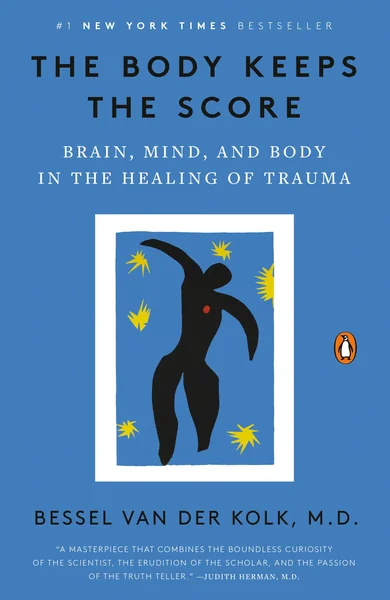
The Body Keeps the Score: Brain, Mind, and Body in the Healing of Trauma by Bessel van der Kolk
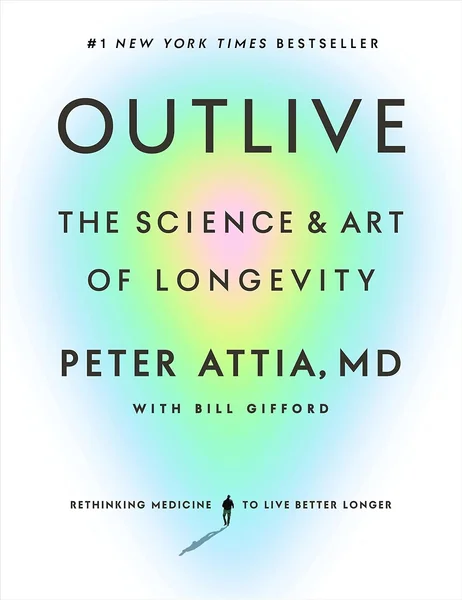
Outlive: The Science and Art of Longevity by Peter Attia
Rabbits: The Animal Answer Guide (The Animal Answer Guides: by Susan Lumpkin, John Seidensticker
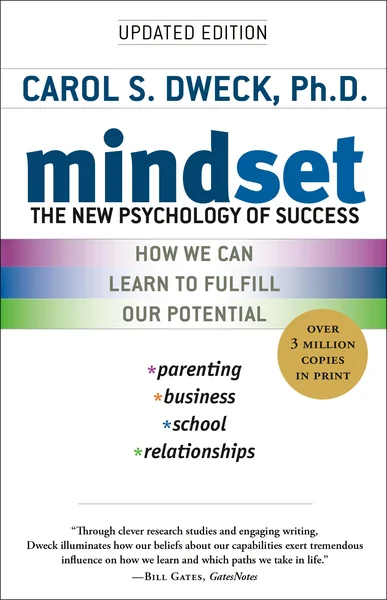
Mindset: The New Psychology of Success by Carol S. Dweck
Science & Nature

Classic Science & Nature Books Experiencing a Cultural Resurgence

Curated recommendations for readers rediscovering classic and backlist titles getting renewed attention

4 Books
3.5 Avg
Updated Aug 8, 2026

Some books don't simply have a moment — they have multiple moments. In science and nature writing, a handful of titles have broken free from the usual publishing lifecycle to find entirely new audiences years after their original release. Whether driven by social media conversations, shifting cultural priorities, or a growing public appetite for evidence-based thinking, these books are being pulled off shelves and downloaded by the thousands all over again.

This reading list brings together four works that are experiencing exactly that kind of cultural resurgence. From landmark explorations of the human body and mind to richly detailed guides to the natural world, these titles span the breadth of science and nature writing at its best. If you're a reader who loves ideas grounded in research but told with genuine humanity, you'll find this list speaks directly to you — whether you're discovering these books for the first time or returning to them with fresh eyes.

#1
The Body Keeps the Score: Brain, Mind, and Body in the Healing of Trauma by Bessel van der Kolk by Bessel van der Kolk - book cover
The Body Keeps the Score: Brain, Mind, and Body in the Healing of Trauma by Bessel van der Kolk

by Bessel van der Kolk

4.8/5

Few books in recent memory have traveled as far outside the clinic as this one, and that reach is both its greatest achievement and its most important caveat. Originally published in 2014, The Body Keeps the Score by Bessel van der Kolk has experienced a remarkable second life — driven by pandemic-era conversations about collective grief, social media, and the sudden visibility of trauma as a cultural topic. Van der Kolk's central argument — that traumatic stress leaves physical imprints on the body, not merely on memory or mood — remains genuinely arresting, and his patient histories give that argument a human texture that pure neuroscience rarely achieves. The book moves from explanation to intervention, covering EMDR, yoga, and limbic system therapy with the confidence of a clinician who has spent decades in the room with suffering people. That confidence, however, is worth tempering: the book has attracted real scholarly criticism, and some of its therapeutic claims outpace the current evidence base. Readers who feel seen by this book would do well to pair it with more recent clinical literature. Best suited for general readers curious about the science of trauma; practicing clinicians should approach with some skepticism.
"A book of genuine cultural weight and genuine scientific controversy — it demands both respect and scrutiny."
Level: Advanced
#2
Outlive: The Science and Art of Longevity by Peter Attia by Peter Attia - book cover
Outlive: The Science and Art of Longevity by Peter Attia

by Peter Attia

4.6/5

Outlive by Peter Attia and Bill Gifford has held its ground on the bestseller lists long enough to qualify as a genuine cultural moment in health publishing. The book's core argument — that aging is not something to accept but something to fight, strategically and early — has clearly struck a nerve. Attia organizes his case around what he calls the "Four Horsemen": heart disease, cancer, neurodegenerative disease, and type 2 diabetes. His frustration with reactive American healthcare, which he labels "Medicine 2.0," gives the book an urgency that distinguishes it from gentler wellness titles. This isn't a book that tells you to drink more water; it expects you to take your health seriously as a long-term project. Well-known enough that a short note suffices here: if you've heard the buzz and wondered whether the substance lives up to it, the answer is largely yes — though readers without patience for detailed physiological explanation, or those skeptical of optimization culture, may find parts of it exhausting.
"One of the most ambitious longevity titles published in recent years."
Level: Advanced
#3
Rabbits: The Animal Answer Guide (The Animal Answer Guides: by Susan Lumpkin, John Seidensticker by Susan Lumpkin, John Seidensticker - book cover
Rabbits: The Animal Answer Guide (The Animal Answer Guides: by Susan Lumpkin, John Seidensticker

by Susan Lumpkin, John Seidensticker

Don't let the Q&A format fool you into thinking this is a light read — Rabbits: The Animal Answer Guide by Susan Lumpkin and John Seidensticker is a serious piece of natural history writing that happens to be organized around the questions curious people actually ask. Published in 2011 as part of Johns Hopkins University Press's Animal Answer Guides series, it covers 95 questions spread across twelve thematic chapters, moving from rabbit anatomy and coloration through ecology, behavior, reproduction, and the long, complicated history of rabbits and humans sharing a world. What makes this title worth rediscovering is how thoroughly it dismantles the assumption that rabbits are simple creatures — by the time Lumpkin and Seidensticker reach the chapter they call "Rabbitology," you'll have developed a genuine respect for lagomorph complexity. Both authors bring real conservation credentials, and that expertise shapes the tone: this is not a pet-care guide, and it has no interest in being one. Readers who want narrative drive may find the format too fragmented; those who love dipping into reference works will find it endlessly rewarding.
"Far more complex than casual familiarity might suggest."
Level: Intermediate
#4
Mindset: The New Psychology of Success by Carol S. Dweck by Carol S. Dweck - book cover
Mindset: The New Psychology of Success by Carol S. Dweck

by Carol S. Dweck

4.6/5

Few psychology books have worked their way so thoroughly into everyday conversation — yet many people who can define "growth mindset" in a sentence have never actually read Mindset: The New Psychology of Success by Carol S. Dweck. That gap is worth closing. Dweck's core distinction between believing your abilities are fixed versus believing they can grow through effort sounds almost too simple, until she walks you through what each orientation actually looks like in practice — in classrooms, on athletic fields, in struggling marriages, and in boardrooms full of talented people who are terrified to fail. The research behind it is decades deep, and the book earns its conclusions rather than just asserting them. That said, the middle chapters can feel repetitive if you've already internalized the framework, and readers looking for nuanced exceptions to the model may find Dweck's examples skew toward confirming her thesis. Still, for a book this widely cited, it deserves to be widely *read*.
"It's not always the people who start out the smartest who end up the smartest."
Level: Intermediate
Final Thoughts

The beauty of a cultural resurgence is that it reminds us great ideas don't expire. The books on this list were groundbreaking when first published, and they remain essential reading precisely because the questions they tackle — how we heal, how we thrive, how we understand the living world around us — never go out of style.

Whether you pick up The Body Keeps the Score, dive into Outlive, or settle in with a surprisingly captivating guide to rabbits, each of these titles offers something rare: science that genuinely changes how you see yourself and the world. Start anywhere. The only requirement is curiosity.

Frequently Asked Questions

A mix of factors — including social media book communities, podcast recommendations, and heightened public interest in health and wellbeing — has pushed backlist titles back into the spotlight. Books like The Body Keeps the Score and Mindset found massive new audiences through word-of-mouth on platforms like TikTok and Reddit long after their initial publication.
Absolutely. Each title on this list is written with general readers in mind, not specialists. Outlive by Peter Attia translates complex longevity research into practical guidance, while Mindset by Carol S. Dweck grounds its psychology in relatable, everyday examples that anyone can apply immediately.
The Body Keeps the Score remains compelling because trauma and its effects on the body have become central conversations in mental health, education, and public policy. Readers returning to it or discovering it for the first time often describe it as genuinely life-changing in how it reframes both personal and collective suffering.
While Outlive does focus on long-term health and longevity strategies, its core message — that the choices you make decades before old age determine how well you age — makes it highly relevant for readers in their twenties, thirties, and beyond. Many younger readers report it completely shifted their approach to diet, exercise, and preventive care.
Don't underestimate the power of natural history and animal science to captivate readers. Rabbits: The Animal Answer Guide by Susan Lumpkin and John Seidensticker taps into a growing enthusiasm for wildlife literacy and backyard naturalism — a trend that accelerated during the pandemic and never really slowed down.
It depends on where your curiosity is pulling you. If you're interested in mental and physical health, start with The Body Keeps the Score or Outlive. If you want to understand how your beliefs shape your potential, Mindset is the ideal entry point. And if you're craving something grounded in the natural world, the Rabbits guide offers a surprisingly rich and rewarding read.
Classic Science & Nature Books Experiencing a Cultural Resurgence | LuvemBooks