7 Classic & Backlist Fiction Titles Having a Major Moment

7 books
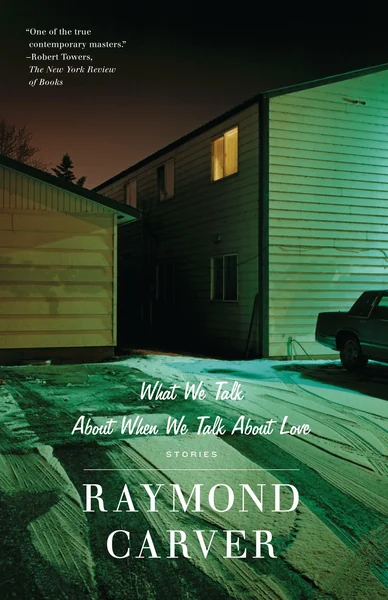
What We Talk About When We Talk About Love: Stories by Raymond Carver
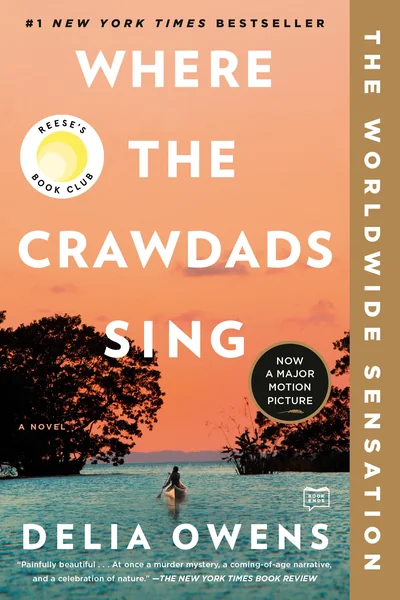
Where the Crawdads Sing by Delia Owens
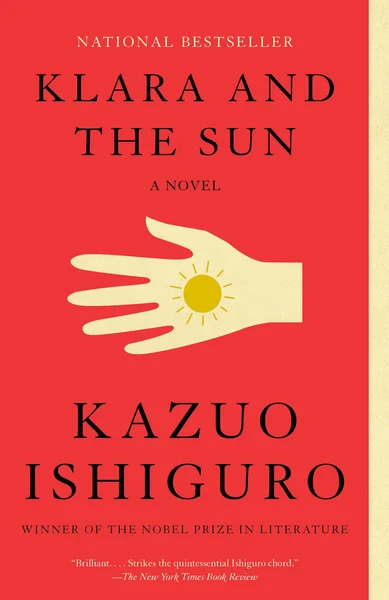
Klara and the Sun: A GMA Book Club Pick: A novel (Vintage International) by Kazuo Ishiguro
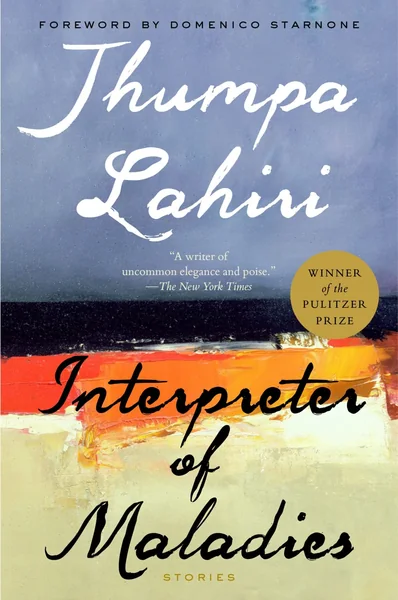
Interpreter of Maladies by Jhumpa Lahiri
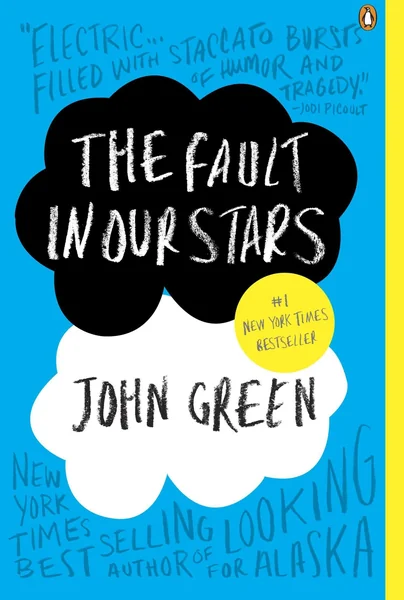
The Fault in Our Stars by John Green
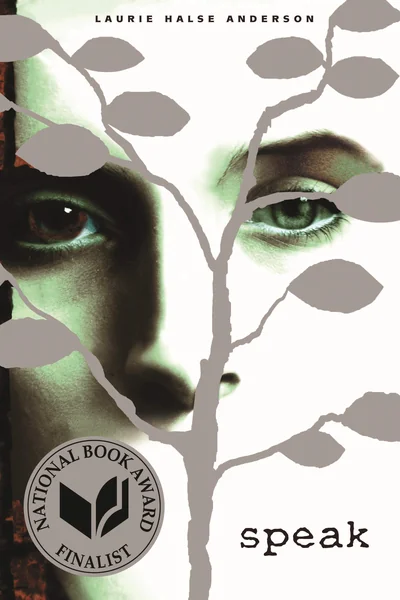
Speak by Laurie Halse Anderson
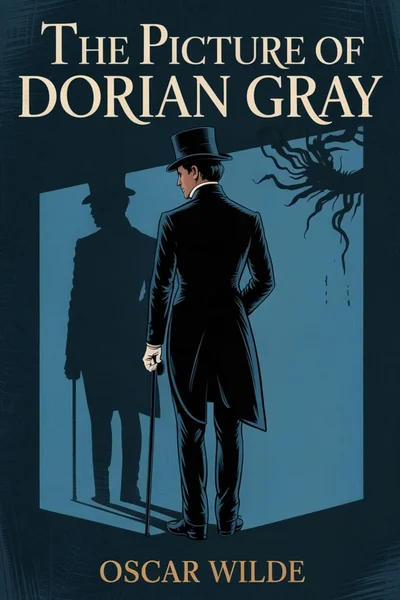
The Picture of Dorian Gray by Oscar Wilde
Fiction

7 Classic & Backlist Fiction Titles Having a Major Moment

Curated recommendations for readers rediscovering classic and backlist titles getting renewed attention

7 Books
4.2 Avg

Some books refuse to stay quietly on the shelf. Whether sparked by a viral social media moment, a new film adaptation, or simply the slow burn of word-of-mouth love, certain titles find entirely new audiences decades—sometimes centuries—after their first publication. Cultural resurgences in fiction remind us that great storytelling isn't bound by release dates or publishing seasons.

This list brings together seven remarkable works of fiction that are experiencing exactly that kind of renewed attention right now. From Raymond Carver's quietly devastating short stories to Oscar Wilde's wickedly elegant moral fable, these are books that readers are returning to with fresh eyes—and discovering for the very first time. Whether you're a lifelong literary devotee or someone who simply keeps seeing these titles pop up online, each of these stories has something urgent and enduring to say about being human. Consider this your invitation to dive in.

Featured Books

What We Talk About When We Talk About Love: Stories by Raymond Carver
Where the Crawdads Sing by Delia Owens
Klara and the Sun: A GMA Book Club Pick: A novel (Vintage International) by Kazuo Ishiguro
Interpreter of Maladies by Jhumpa Lahiri
The Fault in Our Stars by John Green
Speak by Laurie Halse Anderson
The Picture of Dorian Gray by Oscar Wilde
7
Books in Collection
4.2/5
Average Rating
Jun 12, 2026
Published
#1
What We Talk About When We Talk About Love: Stories by Raymond Carver by Raymond Carver - book cover
What We Talk About When We Talk About Love: Stories by Raymond Carver

by Raymond Carver

4.2/5

Carver's silences speak louder than most writers' full sentences — and right now, after years of maximalist literary fiction dominating the conversation, readers are returning to this collection and finding it startlingly fresh. The premise sounds almost too quiet: working-class Americans drinking too much, talking around the things that matter, failing each other in small, accumulating ways. But Carver's restraint is a precision instrument. When a character turns away mid-conversation or pours another drink without answering, you feel the weight of everything unspoken. The stories don't resolve so much as stop, which frustrates some readers expecting catharsis. If you need narrative closure, you'll struggle here. But if you're willing to do the emotional work Carver deliberately leaves for you, What We Talk About When We Talk About Love rewards that effort with something rare: the sensation that fiction has caught real life in the act.
"What's left unsaid carries more weight than what's spoken."
Level: Advanced
#2
Where the Crawdads Sing by Delia Owens by Delia Owens - book cover
Where the Crawdads Sing by Delia Owens

by Delia Owens

4.0/5

Few novels in recent memory have pulled off the combination Where the Crawdads Sing manages so confidently: murder mystery, survival story, and nature writing, all braided together without any single thread unraveling the others. Delia Owens draws on her career as a wildlife scientist to render the North Carolina marshlands as something more than backdrop — the marsh becomes Kya Clark's primary relationship after her family abandons her, one by one, leaving her essentially feral and fiercely self-sufficient. Kya's decades-long arc from abandoned child to quietly formidable woman is the emotional core, and Owens earns every moment of it through patient, specific detail rather than sentiment. The mystery plot works as a genuine page-turner, though some readers find the courtroom sections slow compared to the marshland sequences. Those who prefer psychological complexity over plot mechanics may find the novel occasionally leans on convenience. But for readers who loved the book the first time, or who missed it during its initial cultural moment, it holds up.
"A debut that earns its reputation through specifics, not sentiment."
Level: Intermediate-Advanced
#3
Klara and the Sun: A GMA Book Club Pick: A novel (Vintage International) by Kazuo Ishiguro by Kazuo Ishiguro - book cover
Klara and the Sun: A GMA Book Club Pick: A novel (Vintage International) by Kazuo Ishiguro

by Kazuo Ishiguro

4.2/5

Told entirely through the eyes of an artificial being who may or may not be conscious, Klara and the Sun is the kind of novel that gets quieter and more devastating the longer you sit with it after finishing. Kazuo Ishiguro sets the story in a near-future where AI companions are sold to keep children company, and Klara — formal, observant, genuinely tender — watches the world with an attention that makes human carelessness feel all the more stark by contrast. The philosophical questions the novel raises about personhood, devotion, and what we owe each other are never announced; they accumulate slowly through Klara's narration, which carries the polite precision of programming while somehow conveying real emotional attachment. Readers expecting Ishiguro's *Never Let Me Go* will find this gentler in tone, though no less affecting. Those who prefer science fiction with more plot momentum may find the novel's stillness frustrating. Everyone else will find it lingers.
"A quietly devastating novel whose philosophical reach exceeds what its gentle surface suggests."
Level: Advanced
#4
Interpreter of Maladies by Jhumpa Lahiri by Jhumpa Lahiri - book cover
Interpreter of Maladies by Jhumpa Lahiri

by Jhumpa Lahiri

4.2/5

Quietly, almost stubbornly, Interpreter of Maladies by Jhumpa Lahiri has outlasted the hype cycles that swallowed so many of its contemporaries. These nine stories work through accumulation rather than revelation — a glance held too long, a meal prepared for someone who no longer loves you, the particular loneliness of a phone call across time zones. Lahiri's prose doesn't announce its intentions; it simply observes, with architectural precision, the small negotiations of people caught between cultures, between expectation and desire, between who they were and who America asks them to become. If you loved The Namesake or Americanah, this is the collection that belongs beside them on your shelf. Fair warning: readers who prefer plot-driven fiction may find Lahiri's restraint frustrating — some stories end just as they seem to begin. But for those willing to sit with ambiguity, the emotional weight that accumulates across these pages is something close to extraordinary.
"Lahiri's prose style exemplifies literary restraint at its finest — her sentences carry the weight of unsaid emotions, creating space for readers to inhabit the internal lives of her characters."
Level: Advanced
#5
The Fault in Our Stars by John Green by John Green - book cover
The Fault in Our Stars by John Green

by John Green

4.5/5

You likely already know The Fault in Our Stars — the movie, the memes, the tears. What's worth revisiting is how John Green earns his emotional gut-punches through honesty, not manipulation. Hazel and Augustus are genuinely funny, occasionally insufferable in the best teenage way, and their love story never pretends illness is beautiful. It holds up better than its reputation suggests.
"A rare YA novel that earns its emotional weight through honesty rather than sentiment."
Level: Lexile 850L
#6
Speak by Laurie Halse Anderson by Laurie Halse Anderson - book cover
Speak by Laurie Halse Anderson

by Laurie Halse Anderson

4.2/5

Few YA novels have mattered more — or been challenged more — than Speak, and Laurie Halse Anderson's debut deserves every bit of the renewed attention it keeps receiving. Melinda Sordino enters freshman year already shattered, her voice stolen by a trauma her classmates don't understand and her school refuses to see. Anderson's structural gambit — short, staccato chapters organized by marking periods, not numbers — mirrors Melinda's fractured inner world with quiet brilliance. The prose walks a genuinely difficult line: accessible without condescending, raw without exploiting. What makes this a landmark rather than merely a worthy book is Anderson's insistence on showing recovery as slow, unglamorous, and real. Some elements feel dated — the early-internet-era high school social dynamics particularly — but Melinda's voice remains completely alive. Readers who prefer tidier resolutions may find the ending frustratingly open. Everyone else will recognize it as exactly right.
"Anderson writes with surgical precision, cutting away anything that doesn't serve Melinda's emotional journey."
Level: Lexile 690L
#7
The Picture of Dorian Gray by Oscar Wilde by Oscar Wilde - book cover
The Picture of Dorian Gray by Oscar Wilde

by Oscar Wilde

4.2/5

Few novels pack this much philosophical weight into such an elegant supernatural premise. The Picture of Dorian Gray by Oscar Wilde gives us a beautiful young man whose portrait ages and corrupts in his place — a conceit so perfectly constructed it still feels fresh over a century later. Dorian's gradual descent into hedonism and cruelty is rendered through Wilde's famously musical prose, where sharp social wit and lush aesthetic description coexist in almost every paragraph. The horror here isn't visceral; it's moral, the slow recognition that a person can remain lovely on the surface while becoming monstrous within. Readers returning to this after a high school skim will find layers they almost certainly missed — the philosophical sparring between Lord Henry and Dorian, the tragedy of Basil Hallward's devotion, the way Wilde implicates art itself in Dorian's corruption. That said, Wilde's tendency toward didacticism in the middle chapters can slow momentum, and readers who want plot over ideas may find it occasionally indulgent.
"The rare classic that earns its reputation through specifics, not status."
Level: Advanced / ~1100L
Final Thoughts

The beauty of a cultural resurgence is the sense of shared discovery it creates—suddenly, everyone around you is reading the same book, and conversations feel electric with new perspectives. Revisiting or encountering these titles for the first time means joining a community of readers who've found something worth talking about.

Whether you start with Interpreter of Maladies' gentle, aching portraits of displacement or lose yourself in the marshlands of Where the Crawdads Sing, each of these books rewards the time you give them. Don't let another cultural moment pass you by—pick one up, and see why the conversation keeps coming back to these stories.

Frequently Asked Questions

Social media platforms like BookTok and Bookstagram have dramatically accelerated the rediscovery cycle for older titles. A single viral post can introduce a book like The Picture of Dorian Gray or What We Talk About When We Talk About Love to millions of new readers almost overnight, creating genuine cultural momentum around works that have been quietly waiting for their moment.
Where the Crawdads Sing by Delia Owens is an excellent entry point—it pairs accessible, immersive storytelling with a compelling mystery that keeps pages turning. From there, Interpreter of Maladies by Jhumpa Lahiri offers a natural step into more literary territory without ever feeling intimidating.
Nearly all of them make outstanding book club choices, but Klara and the Sun by Kazuo Ishiguro and What We Talk About When We Talk About Love by Raymond Carver are particularly rich in discussion potential. Both raise layered questions about consciousness, love, and what it means to be human—themes that tend to generate lively, wide-ranging conversation.
Interpreter of Maladies by Jhumpa Lahiri is the standout here, having won the Pulitzer Prize for Fiction. Kazuo Ishiguro, author of Klara and the Sun, is a Nobel Prize laureate, and Raymond Carver's influence on American short fiction has been recognized as foundational by critics and writers alike.
If you're looking for a deeply emotional reading experience, The Fault in Our Stars by John Green and Speak by Laurie Halse Anderson both deliver raw, honest portrayals of grief, trauma, and resilience. For something more understated but equally affecting, Interpreter of Maladies offers quietly devastating insights into loneliness and longing.
The Picture of Dorian Gray taps into themes that feel almost prescient today—the obsession with youth, beauty, and the performance of identity resonate powerfully in an age of social media and curated self-image. Wilde's sharp wit and moral complexity ensure the novel never feels like a dusty relic; it reads like a warning written specifically for now.
7 Classic & Backlist Fiction Titles Having a Major Moment | LuvemBooks