
In This Article
- The Recovered Novel and What It Contains
- Remarque's Connection to the Work
- Why the Discovery Carries Literary Weight
- What Comes Next
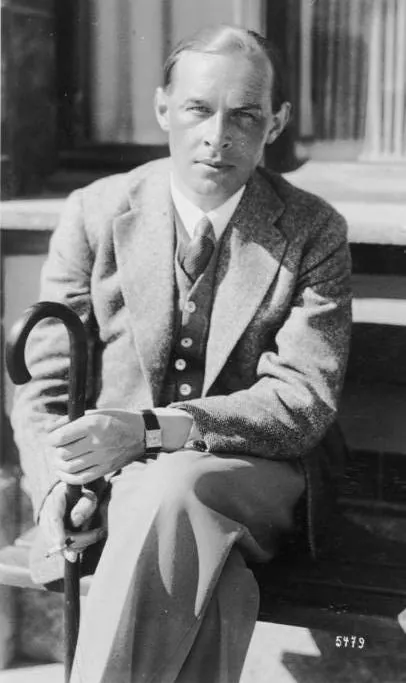
A lost novel written in 1943 that depicted a German concentration camp while the Final Solution was still unfolding has been recovered, drawing fresh attention to both the work and to Erich Maria Remarque's role as a literary advocate. According to the Jewish Telegraphic Agency's April 3, 2026 report, Remarque described the recovered work as "electrifying" — placing him among the novel's earliest and most passionate supporters.
The Recovered Novel and What It Contains
The work in question is Mein ist die Rache — translated as Vengeance is Mine — by Austrian-Jewish author Friedrich Torberg. As reported by both the Jewish Telegraphic Agency and the Times of Israel, Torberg recorded his vision of a German concentration camp in the novel, which was published in 1943 — making it one of the earliest pieces of fiction to grapple with the Holocaust, composed at a time when the genocide was actively occurring. The Jerusalem Post notes that Torberg wrote the book decades before the capitalised word "Holocaust" had entered common parlance.
Remarque's Connection to the Work
The recovery of the novel has brought renewed scrutiny to Remarque's broader literary engagements. According to the JTA, Remarque's endorsement of Torberg's novel as "electrifying" demonstrates that his influence in literary circles extended well beyond his own celebrated writing.
Remarque himself had a direct and painful connection to the Nazi era. According to Wikipedia's biography of Remarque, his anti-war themes drew condemnation from Nazi propaganda minister Joseph Goebbels, who labelled him "unpatriotic." Remarque subsequently relocated first to Switzerland and then to the United States, where he became a naturalised citizen. His books were banned and burned in Nazi Germany — a fate shared, as Wikipedia notes, by All Quiet on the Western Front and its sequel The Road Back (1931). His younger sister Elfriede Maria, born in 1903, was executed by the Nazi regime in 1943, the same year Torberg's novel was published, according to Remarque's Wikipedia entry.
Why the Discovery Carries Literary Weight
The recovery matters in part because of the scarcity of fictional Holocaust accounts produced contemporaneously with the events themselves. Torberg's novel stands as a rare document — imaginative literature written from within the historical moment rather than in retrospect. Its rediscovery, reported across outlets including the Cleveland Jewish News and J. Weekly, adds a primary document to the literary record of that period.
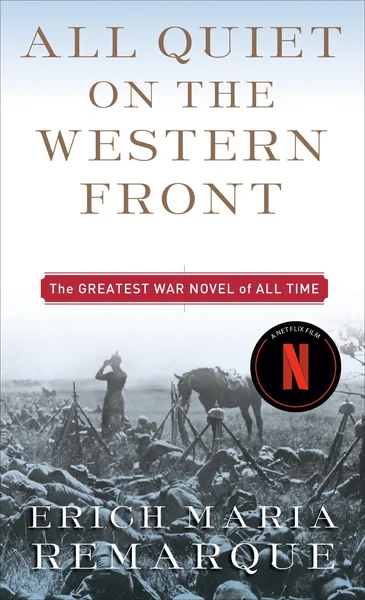
Remarque's involvement underscores a dimension of his legacy that goes beyond his own fiction. Best known for All Quiet on the Western Front — a semi-autobiographical account of German soldiers' physical and psychological trauma in World War I, which Wikipedia describes as having sold 2.5 million copies in 22 languages within its first 18 months — Remarque is now emerging in scholarship as a figure who also actively engaged with the work of contemporaries confronting fascism and genocide. For an assessment of All Quiet on the Western Front itself, see our review.
What Comes Next
The recovery of Mein ist die Rache is likely to prompt further scholarly examination of Torberg's wartime output and of the literary networks — including figures like Remarque — that formed among German-speaking exiles and refugees during the 1930s and 1940s. A new English translation of All Quiet on the Western Front by Harvard professor Maria Tatar, published by Penguin Classics in March 2026 with a foreword by former U.S. Ambassador to the United Nations Samantha Power, has also brought fresh attention to Remarque's work and biography at the moment this archival discovery has surfaced.
Frequently Asked Questions
Is All Quiet on the Western Front: A Novel worth reading in 2026?
Absolutely. Remarque's masterpiece remains one of the most powerful anti-war novels ever written, offering insights into the psychological costs of conflict that feel increasingly relevant in today's world.
What is the main message of All Quiet on the Western Front: A Novel?
The novel's central message is that war destroys the humanity of those who fight it, particularly young people who are robbed of their innocence and future. Remarque shows how war creates a 'lost generation' psychologically severed from civilian life.
Who should read All Quiet on the Western Front: A Novel?
This book is essential for anyone seeking to understand the true costs of war, but readers should be prepared for graphic depictions of violence and psychological trauma. It's particularly valuable for students of history and literature.
Should I read All Quiet on the Western Front: A Novel or watch the film adaptation?
While the film adaptations are powerful, Remarque's prose offers an interior psychological depth that visual media cannot fully capture. Reading the novel provides the complete experience of his literary artistry and moral vision.
Reader Discussion
No comments yet
Be the first to share your thoughts!