10 min read
4.7
· 4,664 Amazon ratingsShare This Review

Our review
All Quiet on the Western Front by Erich Maria Remarque Review: A Timeless, Shattering Anti-War Classic
Erich Maria Remarque's semi-autobiographical novel, originally published in German in 1929, follows young German soldier Paul Bäumer through the physical and psychological devastation of World War I — a work that sold 2.5 million copies in 22 languages within its first 18 months and has endured nearly a century as one of the most significant war novels ever written. The Ballantine Books mass market paperback edition presents Arthur W. Wheen's English translation, the version whose title has, as translator Brian Murdoch later acknowledged, "justly become part of the English language."
LuvemBooks Verdict
Best for
Readers aged 15 and up — particularly those drawn to Hemingway-style war literature, students encountering it as assigned reading, or viewers of the 2022 Academy Award-winning film who want to experience the spare, first-person intimacy of Remarque's original source text.
Worth it if
Worth seeking out if you want war literature that centres the psychological and moral cost of conflict over heroism, rendered through a single soldier's unflinching perspective grounded in the author's own wartime experience.
Skip if
Skip this Ballantine edition — in favour of Brian Murdoch's 1993 translation — if you want the most complete and linguistically faithful English rendering of Remarque's German, as Arthur W. Wheen's 1929 version is documented to have Anglicized references, softened passages, and omitted others; also skip if you're expecting broader strategic or political context beyond one soldier's perspective.
What readers & critics say
Britannica describes the novel's "unflinching realism" as having made it "one of the most successful war novels ever written," while also noting it was both an overwhelming success and a target of intense criticism in Germany, where many argued Remarque's perspective was too limited. Wikipedia records its extraordinary global reach — 2.5 million copies sold in 22 languages within its first 18 months — and notes that the book's banning and burning by the Nazi regime, along with three separately acclaimed film adaptations across nearly a century, attest to its enduring cultural power.
Sources: Britannica, WikipediaAsk LuvemBooks
Was this helpful?
- Is it worth reading?
- For readers drawn to war literature that centers psychological and moral cost over heroism, All Quiet on the Western Front remains essential nearly a century after publication. Its subject matter — the systematic destruction of a young generation by industrialized warfare, and the blind nationalism that sent them there — has lost none of its urgency. Historian Mitch Horowitz places Remarque in the company of chroniclers from Plutarch to Stephen Crane, finding the story "in the trenches and within the lives of combatants rather than in long-forgotten disputes that supposedly drove the conflict." Those coming to the novel after the 2022 Academy Award-winning film will find the source material operates differently — in spare, first-person intimacy that no screen version can fully replicate.
- Similar books
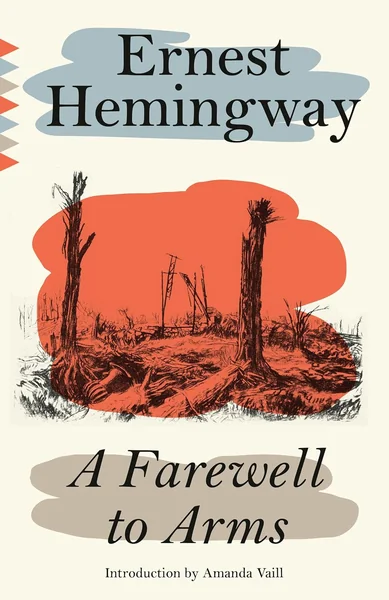
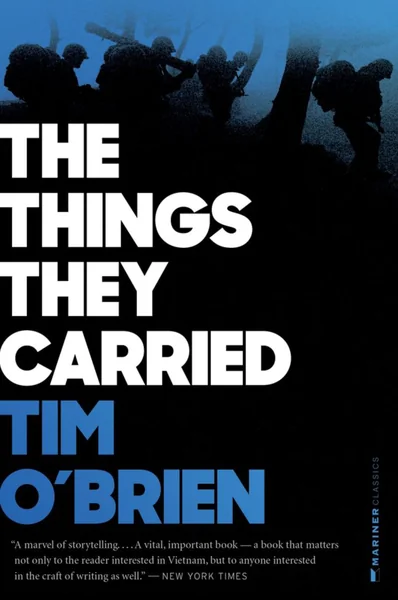
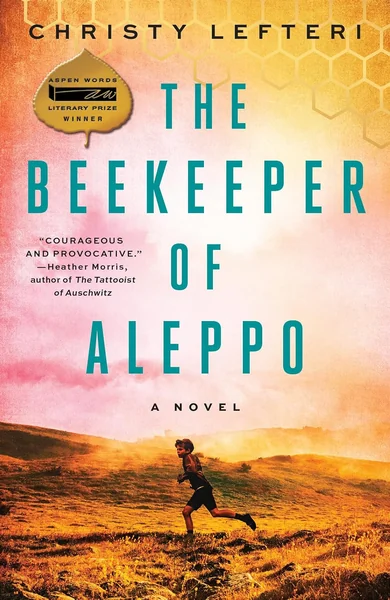
- Readers who respond to Remarque's soldier's-eye-view realism will find natural companions in Ernest Hemingway's A Farewell to Arms, which similarly centers psychological and moral cost over heroism during World War I. Tim O'Brien's The Things They Carried applies the same unflinching focus to the Vietnam War, blending memoir and fiction in ways that echo Remarque's semi-autobiographical approach. Sebastian Faulks' Birdsong is another WWI novel that explores the physical and emotional devastation of the Western Front in sustained, intimate detail. For readers interested in the broader literature of war's effect on civilians and survivors, Christy Lefteri's The Beekeeper of Aleppo offers a contemporary parallel — the human cost of conflict rendered through individual lives rather than ideology.
- Who should read this?
- All Quiet on the Western Front is essential for readers drawn to war literature that centers the psychological and moral cost of conflict over heroism or strategy — particularly those who appreciate Ernest Hemingway's stripped-back realism or Tim O'Brien's soldier's-eye-view intimacy. It is regularly assigned in secondary school curricula, making it a natural fit for students aged 15 and above encountering serious literary war fiction for the first time. Readers coming to it fresh after the 2022 German film adaptation will find that the spare, first-person narrative operates differently from any screen version. Those expecting broad strategic or political context, or a multi-perspective account of World War I, will not find that here — the novel's focus stays tightly and deliberately on Paul Bäumer's individual experience.
- What age is it for?
- Best for readers aged 15 and up. All Quiet on the Western Front is consistently assigned in secondary school curricula at that recommended reading age, and the content warrants it — the novel contains graphic depictions of wartime injuries and death, as well as sustained portrayal of psychological trauma and the destruction of a young generation by industrialized warfare. The Wheen translation in the Ballantine edition is the version most commonly encountered in educational settings.
- About Erich Maria Remarque
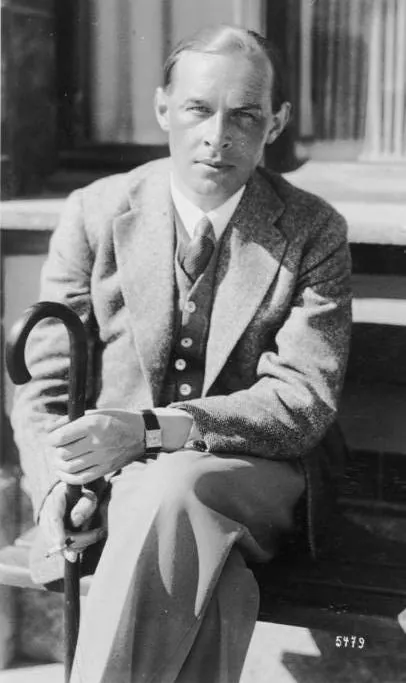
- Erich Maria Remarque was a German novelist.
- Tell me about the adaptations
- All Quiet on the Western Front has been adapted for screen three times across nearly a century — a span that itself speaks to the novel's enduring power. The 1930 American film directed by Lewis Milestone won two Academy Awards. The 1979 television film directed by Delbert Mann won both a Golden Globe and an Emmy Award. Most recently, the 2022 German adaptation directed by Edward Berger won four Academy Awards, introducing the story to a new generation. Readers who come to the novel after the 2022 film will find that the source material's spare, first-person intimacy operates quite differently from any screen version.
- What are the main themes?
- The novel's central themes are the psychological destruction of a generation — Paul Bäumer and his classmates enlist believing in Kantorek's romanticized visions of glory and duty, and are consumed by a conflict they were too young to fully understand. Blind nationalism and the romanticization of war are critiqued not through polemic but through the structural irony of following these young men from propagandized enthusiasm to physical and psychological ruin. Remarque also weaves through the novel Paul's resistance to hate — his recognition that the young men on the other side of No Man's Land are the same generation, wearing different uniforms. The phrase that became the title — all quiet on the Western Front — enters the novel as its devastating final irony, and has since entered colloquial English as a term for stagnation, a testament to the novel's cultural penetration.
- Which translation should I read?
- The Ballantine Books mass market paperback presents Arthur W. Wheen's 1929 English translation — the version that established the now-canonical English title and first introduced the novel to English-speaking audiences. However, translator Brian Murdoch, whose own 1993 translation is the leading alternative, documented in his foreword that Wheen's version Anglicized some lesser-known German references, softened certain passages, and omitted others entirely. Murdoch's translation is considered closer to Remarque's original German text, and readers who want the most complete and linguistically faithful rendering should seek it out. Murdoch himself retained Wheen's iconic title out of respect for its place in the English language — so neither choice is wrong, but the distinction is worth knowing before buying.
Summarize this book
Follow up
Synthesized from verified book data & published reviews · How we review
Press Enter to ask. Answers come from our editorial Q&A — start typing to see related questions.
Age & Reading Level
Recommended age
Ages 12–18
Reading level
Young adult
4 content notes · who it suits
Content to know about
Best for: Ages 15+ — graphic depictions of wartime violence, injury, and sustained psychological trauma suit mature secondary-school readers and above.
Skip if you want broad strategic or political context for World War I, or a multi-perspective account of the conflict.
Our Review
What the Novel Is and What It Contains
Historical Significance and Cultural Reach
Strengths: Unflinching Realism and a Soldier's-Eye View
The Translation Question: Wheen Versus Murdoch
Who This Book Is For and How It Reads Today
Sources & Further Reading
The key facts and claims in this review are grounded in the retrieved, verified sources listed below.
- Cited in this review
- 1
- Further reading
- 2
Erich Maria Remarque, Wikipedia
- 3
en.wikipedia.org
- 4
- 5
broadviewpress.com
- 6
nateshivar.com
- 7
- 8
- 9
- 10
Books like All Quiet on the Western Front
Curated picks for readers who enjoyed All Quiet on the Western Front, with our reasoning for each match.
If you liked All Quiet on the Western Front