
In This Article
- What Happened and What Purpose Is
- Who Is Involved
- Context: Why the Chatbot Gap Matters
- What to Watch
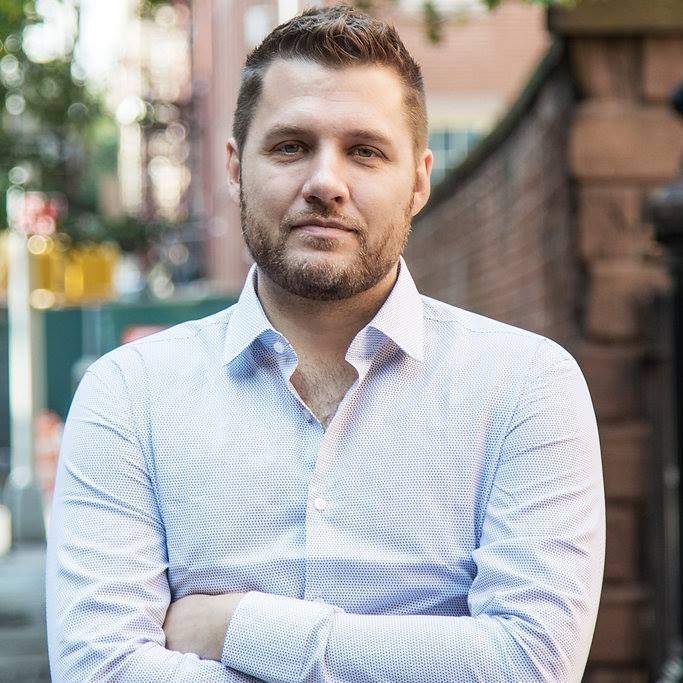
Ten years after The Subtle Art of Not Giving a Fck* reached shelves, bestselling author Mark Manson has co-founded an AI coaching application called Purpose, positioning it as a more honest and personalised alternative to existing mental health chatbots. According to the Observer, Manson built Purpose specifically to address limitations common to current chatbot offerings — chiefly their tendency to dispense generic advice that can be ineffective or harmful for users navigating genuine crises.
What Happened and What Purpose Is
Manson co-created Purpose alongside a serial tech entrepreneur, with the app aiming to deliver personalised, scalable life coaching that, in the words of Fast Company, "doesn't blindly flatter you." The Observer reports that the app is designed to provide practical life advice while actively navigating the risks and limitations associated with AI-driven mental health tools. MSN's coverage describes Manson as among the first authors to launch an AI coaching app, noting he is unlikely to be the last.
A reporter at Yahoo Life tested Purpose for a week and consulted two outside experts on the broader question of whether AI-powered coaching can substitute for traditional self-help formats — though their conclusions were not fully detailed in available excerpts. The same outlet quotes Manson describing conventional self-help as "kind of cooked" in the age of AI, framing Purpose as his response to that shift rather than a retreat from it.
Who Is Involved
According to Wikipedia, Manson is an American author and blogger born on March 9, 1984, who studied international relations at Boston University and graduated in 2007. He began his writing career with a dating-advice blog in 2008 before broadening his focus to general life philosophy. His second book, The Subtle Art of Not Giving a Fck, was published in 2016, reached number one on the New York Times Bestseller List by July 2017, and had sold over 12 million copies as of mid-2022 after spending 268 weeks in the top ten. His subsequent book, Everything Is Fcked: A Book About Hope, debuted at number one on the same list in 2019, and he co-wrote actor Will Smith's autobiography, published in November 2021 — making three of his four books New York Times bestsellers.
OpenAI Master notes that Manson built his reputation on blunt honesty and sharp humour, writing about personal growth in a conversational register rather than a prescriptive one — a voice the Purpose app is apparently intended to replicate at scale.
Context: Why the Chatbot Gap Matters
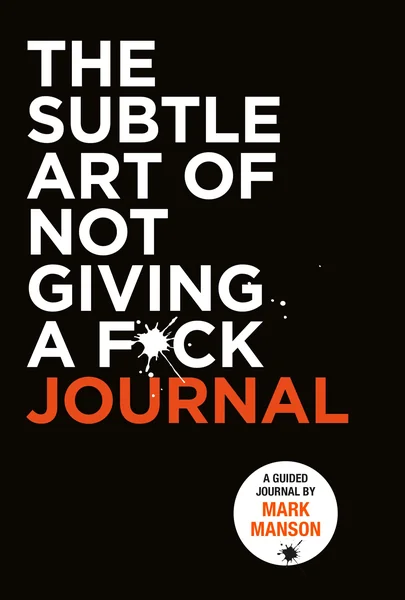
The Observer frames Manson's venture against a documented concern in the digital mental health space: that AI chatbots frequently fail users in distress by offering surface-level or inappropriate responses. Purpose is presented as a direct attempt to engineer around those failure modes rather than replicate them. Fast Company's framing — a tool that refuses to flatter users — echoes the anti-positive-thinking stance that runs through Manson's published work, including The Subtle Art of Not Giving a Fck Journal*, which translates his philosophy into guided exercises. For a fuller assessment of that companion volume, see our review.
The move also reflects a wider moment in publishing and media in which authors with established audiences are building direct-to-consumer digital products rather than relying solely on books. As MSN observes, Manson is among the first to do so at this scale in the self-help genre, but the report suggests others will follow.
What to Watch
No release timeline or pricing details appeared in available sources at the time of publication. The key questions observers will be tracking include how Purpose handles users who present with acute mental health needs — the very scenario that has drawn criticism toward rival chatbots — and whether an app rooted in one author's philosophy can scale meaningfully beyond his existing readership. Yahoo Life's expert consultations on AI coaching efficacy are expected to add a layer of independent scrutiny to those questions as coverage develops.
Frequently Asked Questions
Is The Subtle Art of Not Giving a F*ck Journal worth buying in 2026?
Yes, if you're ready for serious self-reflection work. The journal provides practical exercises that translate Manson's philosophy into actionable daily practices, but it requires genuine commitment and honest introspection rather than offering quick fixes.
What is the main message of The Subtle Art of Not Giving a F*ck Journal?
The journal teaches readers to identify what truly deserves their mental and emotional energy through guided exercises. It emphasizes selective caring, embracing life's struggles, and making deliberate choices about priorities rather than pursuing constant positivity.
Who should read The Subtle Art of Not Giving a F*ck Journal?
This journal is ideal for readers who enjoyed Manson's original book and want practical applications of his philosophy. It's perfect for those ready to do uncomfortable but necessary introspective work and willing to invest significant time in self-examination.
How does Mark Manson's new AI app relate to his books?
Manson's Purpose AI app extends his no-nonsense philosophical approach to digital mental health support. It aims to provide the same practical, confrontational guidance found in his books while addressing gaps in current mental health chatbot technology.
Reader Discussion
No comments yet
Be the first to share your thoughts!