

The film — a Sony Pictures Releasing production — had already made its world premiere at the BFI London Film Festival on 15 October 2026, according to Wikipedia's entry on the film), with the full cast joining Waititi on the red carpet at BFI Southbank.
From Nobel Prize Novel to Screen: The Making of Klara and the Sun
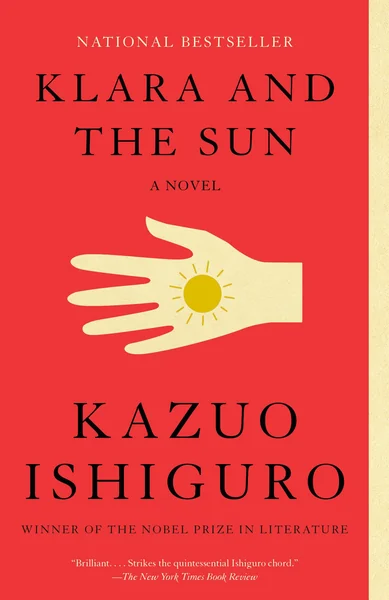
Kazuo Ishiguro's Klara and the Sun — a Booker Prize-longlisted, Nobel laureate-penned novel about a solar-powered Artificial Friend navigating questions of love and what it means to be human — is the source text for this long-gestating adaptation.
As Wikipedia details), Sony's 3000 Pictures acquired the screen rights as far back as July 2021, with producer David Heyman attached from the outset; Dahvi Waller joined to co-write the screenplay, and Waititi did not formally commit to direct until May 2023.
The screenplay is credited to Waititi and Waller, with Ishiguro serving as executive producer.
Ortega plays Klara, the companion android at the story's centre, with Amy Adams as Josie's mother Chrissie and Mia Tharia as Josie, as confirmed by Moviefone's cast listing.
The ensemble extends further: Wikipedia notes) that Natasha Lyonne, Steve Buscemi, Rachel House, and Aran Murphy all feature, while Simon Baker was cast but ultimately had his scenes cut from the final film.
Mixed Reviews, an AI-Sceptic Star, and Ishiguro's Next Move
Critical reception has been notably cool: Wikipedia records) that the film received negative reviews, and The Guardian's feature interview with both Waititi and Ishiguro, published on 22 October, noted the mixed critical response that greeted the London premiere.
Ortega, meanwhile, used the film's press campaign to voice her own scepticism about artificial intelligence, publicly criticising AI in interviews, according to the Los Angeles Times — a pointed contrast with her role as an android built to serve and cherish a human child.
The LFF premiere also produced a significant piece of literary news: Deadline reports that Ishiguro revealed he has written an original screenplay for Tim Burton, the pair having developed the project privately at Burton's home, without producers involved.
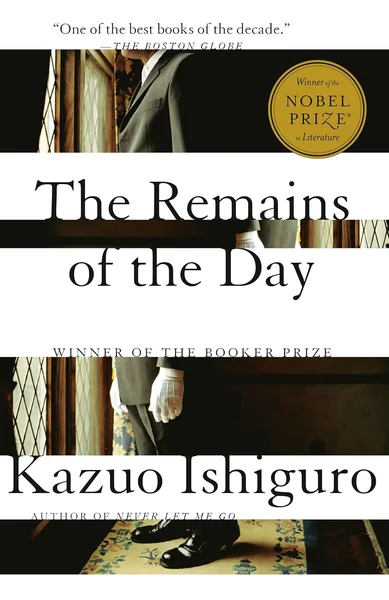
That disclosure adds an intriguing new chapter to Ishiguro's relationship with cinema — the Nobel laureate is, of course, no stranger to beloved adaptations, having seen The Remains of the Day become a landmark British film; readers curious about that earlier novel can find our coverage at our review of The Remains of the Day.
For Waititi, Klara and the Sun represents a significant tonal shift from the broad comedic register of his most commercially successful work, though whether that creative stretch ultimately pays off is a question the reviews are now answering in the negative.
The film's arrival in cinemas also marks a fresh moment for Ishiguro's source novel itself — a dystopian science fiction story narrated by an Artificial Friend whose innocent gaze sharpens into something profound on questions of love, loneliness, and identity.
Want the full verdict on the novel before or after you see the film? Read our review of Klara and the Sun for our complete assessment.
Hopeful
Melancholy
Slow-burn
Grief & loss
Identity
Technology & AI
Frequently Asked Questions
Is Klara and the Sun: A GMA Book Club Pick worth reading before seeing the film?
Ishiguro's novel offers a richer, more meditative experience of Klara's inner world than any adaptation can fully convey — reading it first gives the film's imagery considerably more emotional weight.
Who stars in the Klara and the Sun film adaptation?
Jenna Ortega plays the android Klara, Amy Adams plays Josie's mother Chrissie, and Mia Tharia plays Josie; the supporting cast includes Natasha Lyonne and Steve Buscemi.
Should I read Klara and the Sun or watch the Taika Waititi film?
The film has received broadly negative reviews from critics, so readers drawn to Ishiguro's themes of love and what it means to be human may find the novel — a Booker Prize longlistee from a Nobel laureate — the more rewarding choice.
What is Klara and the Sun: A GMA Book Club Pick about?
It is a dystopian science fiction novel narrated by Klara, a solar-powered Artificial Friend, whose luminous perspective explores questions of love, loneliness, and human identity in a future shaped by genetic engineering.
Where did the Klara and the Sun film premiere?
The film had its world premiere at the BFI London Film Festival on 15 October 2026, before opening in cinemas in the UK and United States on 23 October 2026.
Who wrote the screenplay for the Klara and the Sun adaptation?
The screenplay was written by Taika Waititi and Dahvi Waller, with Kazuo Ishiguro serving as executive producer on the project.

No Discussion Yet
Be the first to share your thoughts on this news article.