
In This Article
- What the Iceberg Theory Is and Where It Came From
- Who Is Ana Paula Maia and Why Her Citation Matters
- Context: Hemingway's Continued Presence in Literary Culture
- What to Watch
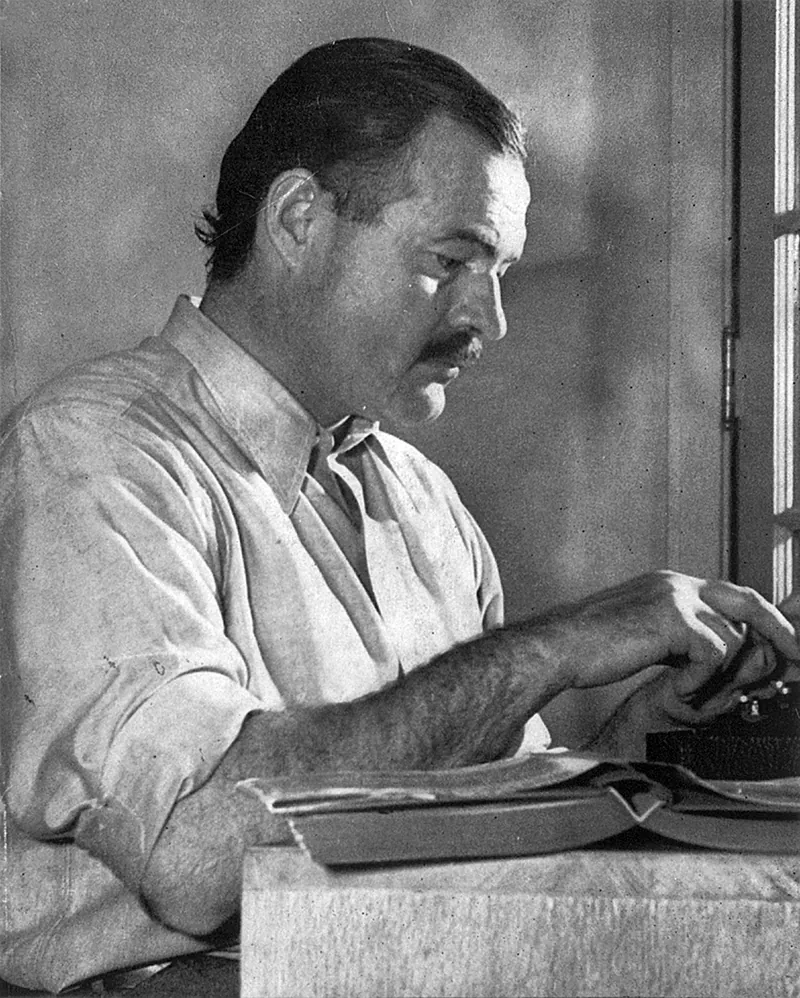
Brazilian author Ana Paula Maia has publicly credited Ernest Hemingway's iceberg theory — his principle that a story's deeper meaning should lie beneath the surface rather than be stated outright — as a foundational influence on her fiction. In a Booker Prize interview, Maia specifically named The Old Man and the Sea as having a profound impact on her exploration of death and loneliness, and pointed to Hemingway's theory of omission as central to her current literary approach.
What the Iceberg Theory Is and Where It Came From
Hemingway's iceberg theory — also called the theory of omission — holds that the surface of a story should reveal only a fraction of its total meaning, with the deeper substance present but unspoken. According to Wikipedia's entry on the iceberg theory, Hemingway articulated the concept most directly in Death in the Afternoon, writing: "If a writer of prose knows enough of what he is writing about he may omit things that he knows and the reader, if the writer is writing truly enough, will have a feeling of those things as strongly as though the writer had stated them. The dignity of movement of an ice-berg is due to only one-eighth of it being above water."
The technique grew directly from Hemingway's journalism career. As Wikipedia notes, he began as a cub reporter at The Kansas City Star before serving as a foreign correspondent for the Toronto Star in Paris, where he covered the Greco-Turkish War. His biographer Jeffrey Meyers is quoted describing Hemingway's reportorial method as achieving "a concentration and intensity of focus — a spotlight rather than a stage" — discipline he later carried into fiction. Hemingway scholar Carlos Baker, also cited by Wikipedia, characterised the outcome as learning "how to get the most from the least."
Who Is Ana Paula Maia and Why Her Citation Matters
Maia is a contemporary Brazilian novelist whose work engages existential themes through spare, direct prose — a stylistic register that places her in clear dialogue with Hemingway's minimalist tradition. Her acknowledgment of the iceberg theory is notable because it crosses both cultural and linguistic borders, demonstrating that a technique developed for early twentieth-century American journalism has been absorbed into Latin American literary practice.
The iceberg theory's cross-genre influence is well documented. According to Gilliam Writers Group, the theory is regarded as a cornerstone of literary modernism, emphasising narrative depth beneath textual surface. Hunting the Muse identifies "Hills Like White Elephants" as perhaps the most widely cited demonstration of the method, a story in which two characters discuss a consequential subject entirely through implication. Writers beyond the literary novel have also drawn on it: Celtx's writing blog points to Annie Proulx's "Brokeback Mountain" — which won the National Magazine Award for Fiction in 1998 — as a later example, where societal pressures are felt rather than named.
Context: Hemingway's Continued Presence in Literary Culture
Hemingway's profile in literary culture has remained active in recent months. In January 2026, the New York Times reported that a copy of The Old Man and the Sea — inscribed by Hemingway in 1961 for a nurse who cared for him at the Mayo Clinic — was being donated to the Nobel Museum, a gesture that keeps both the novel and its author in public view.
Paul Smith, author of Hemingway's Early Manuscript: The Theory and Practice of Omission, has argued, per Wikipedia, that Hemingway applied the theory of omission specifically to "strengthen the iceberg" — meaning that what is left out must be known by the writer, not simply avoided. A writer who omits from ignorance, Hemingway warned, creates only "hollow places" in the work.
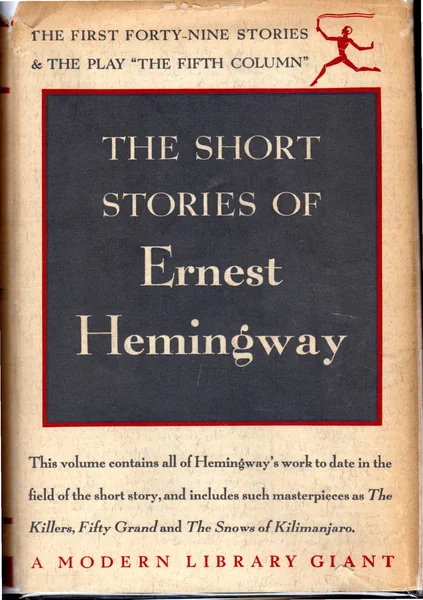
For readers interested in the short fiction where Hemingway developed and demonstrated these ideas, LuvemBooks has published a full review of The Short Stories of Ernest Hemingway.
What to Watch
Maia's remarks reframe Hemingway less as a canonical figure studied in retrospect and more as a working influence actively shaping how fiction writers make choices about restraint and implication. Whether her Booker Prize visibility prompts broader critical discussion of Hemingway's reach into contemporary global fiction — particularly in Latin America — remains to be seen. Her interview stands as a primary-source data point for that conversation.
Frequently Asked Questions
Is The Short Stories of Ernest Hemingway worth buying in 2026?
Yes, particularly for writers and serious readers interested in understanding influential literary techniques. While some perspectives feel dated, the storytelling methods remain highly relevant and continue inspiring contemporary authors like Ana Paula Maia.
What is Hemingway's iceberg theory in The Short Stories of Ernest Hemingway?
The iceberg theory suggests that the surface elements of a story should reveal only a small part of the whole, with deeper meaning lying beneath. Hemingway believed the underlying theme would strengthen the story if the writer omitted it, creating powerful subtext through restraint.
Who should read The Short Stories of Ernest Hemingway?
Writers seeking to master economical prose, literature students studying modernist techniques, and readers who appreciate subtle emotional depth. The collection is also valuable for anyone interested in understanding how classic American literature continues influencing global writers today.
Which Hemingway short stories are most influential on modern writers?
"The Old Man and the Sea," "Hills Like White Elephants," and "A Clean, Well-Lighted Place" are frequently cited by contemporary authors. These stories exemplify Hemingway's iceberg theory and demonstrate how minimal prose can convey maximum emotional impact.
Reader Discussion
No comments yet
Be the first to share your thoughts!