
In This Article
- Who is Walter Isaacson?
- The book and its predecessor
- Why the chart performance matters in context
- What to watch
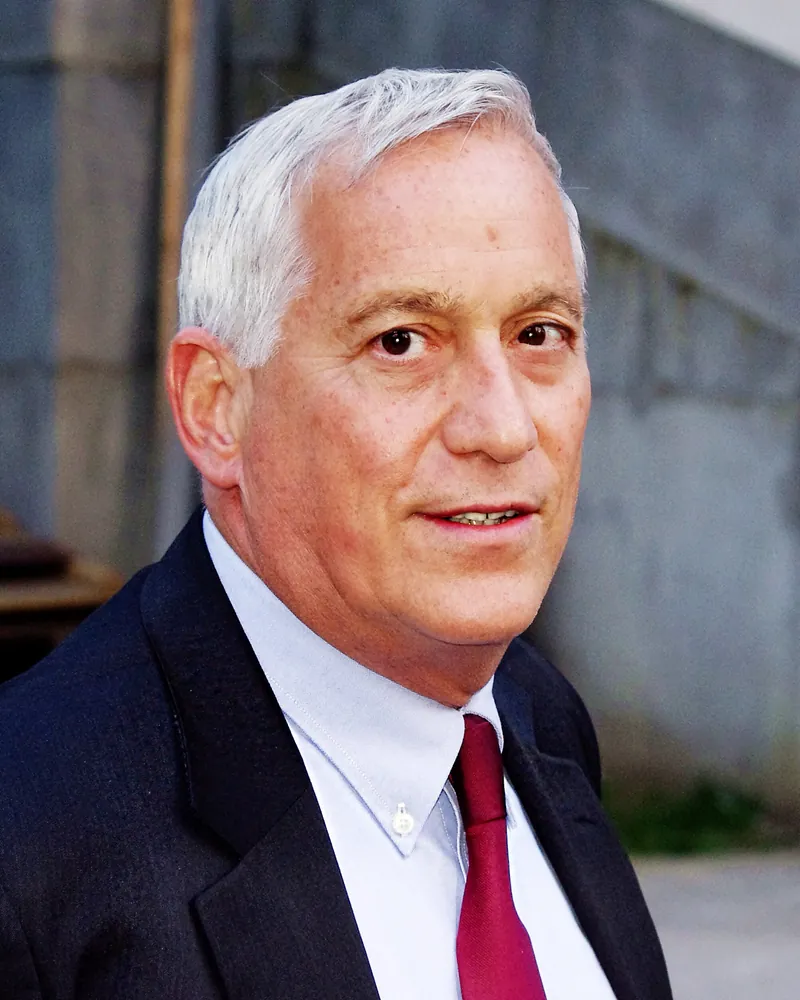
Walter Isaacson's The Greatest Sentence Ever Written (2025) has secured positions of #6 and #12 on recent New York Times hardcover bestseller lists, according to bestseller tracking published by the Virginian-Pilot. The book was published by Simon & Schuster, who describe it as a work in which "America's bestselling biographer reveals the origins of the most revolutionary sentence in the Declaration of Independence, the one that defines who we are as Americans — and explains how it should shape our politics today," per the Simon & Schuster author page.
Who is Walter Isaacson?
Isaacson, born May 20, 1952, in New Orleans, Louisiana, is a journalist and author whose biographical subjects have ranged from Henry Kissinger and Benjamin Franklin to Steve Jobs, Albert Einstein, Leonardo da Vinci, Jennifer Doudna, and Elon Musk, according to his Wikipedia biography. He studied history and literature at Harvard University, graduating in 1974, and later attended Pembroke College, Oxford, as a Rhodes scholar. Before his writing career, he served as editor of Time magazine, chair and CEO of CNN, and president and CEO of the Aspen Institute. As of 2024, he holds a professorship at Tulane University and has been an interviewer on the PBS and CNN programme Amanpour & Company since 2018.
His 2011 authorized biography of Apple co-founder Steve Jobs — published just weeks after Jobs's death — became an international bestseller, breaking sales records for Simon & Schuster at the time. The Greatest Sentence Ever Written is his most recent full-length work, following Elon Musk (2023).
The book and its predecessor
The Greatest Sentence Ever Written arrives in the wake of a long catalogue that Publishers Weekly has reviewed across multiple titles, consistently noting Isaacson's ability to combine journalistic accessibility with substantive research. Publishers Weekly's author page records reviews of his major works from The Wise Men (1986, co-authored with Evan Thomas) through to his recent output, all published by Simon & Schuster.
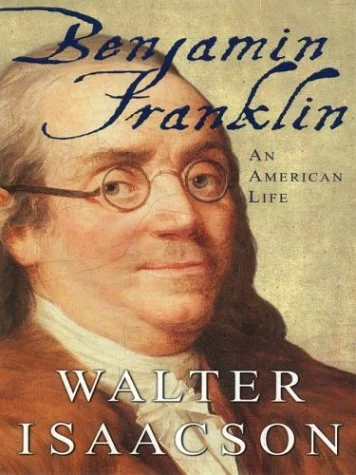
One frequently cited earlier title in discussions of Isaacson's work is Benjamin Franklin: An American Life (2003). According to its Wikipedia entry, the book was praised by publications including Foreign Affairs and The Guardian, and argues that Franklin established a philosophical undercurrent of "practical benevolence" that has endured in American society. Isaacson also contended in that volume that Franklin's reputation has shifted with the times — "vilified in romantic periods and lionised in entrepreneurial ones" — and made the case that Franklin deserves greater recognition as a figure in the history of science. For a detailed assessment of that biography, see our review.
Why the chart performance matters in context
The National Endowment for the Humanities, which has recognised Isaacson's contributions, has noted that his work "bridge[s] divides between science and the humanities and between opposing philosophies, elevating discourse and our understanding of who we are." That framing is relevant to The Greatest Sentence Ever Written, which — unlike his previous subject-driven biographies — takes a single line of founding-era text as its central subject, representing a notable shift in format within his body of work.
Charting on the NYT hardcover list places the title alongside other non-fiction bestsellers competing for reader attention in the same retail window, a market context noted in the Virginian-Pilot's bestseller tracking.
What to watch
Isaacson's publisher and current institutional role — professor at Tulane and broadcaster on Amanpour & Company, per Wikipedia — typically support active promotional cycles for his releases. Whether The Greatest Sentence Ever Written sustains or improves its chart positions in subsequent tracking weeks will indicate the depth of its commercial reach beyond an opening-weeks audience. Simon & Schuster has not announced a paperback release date at the time of publication of this article.
Frequently Asked Questions
Is Benjamin Franklin: An American Life by Walter Isaacson worth buying in 2026?
Absolutely. Despite being published years ago, Isaacson's Franklin biography remains the definitive modern treatment of America's most versatile founding father. The book's insights into entrepreneurship, innovation, and practical wisdom feel remarkably contemporary.
What is the main message of Benjamin Franklin: An American Life?
The book reveals Franklin as America's first self-made man, showing how curiosity, pragmatism, and adaptability can overcome any background. Isaacson emphasizes Franklin's belief that individuals can continuously reinvent themselves through learning and hard work.
Who should read Benjamin Franklin: An American Life?
This biography appeals to history enthusiasts, entrepreneurs, and anyone interested in American origins. It's particularly valuable for readers who appreciate seeing how scientific thinking and political pragmatism can coexist productively.
Should I read Walter Isaacson's Franklin biography or watch the PBS documentary?
The book provides far more depth and nuance than any documentary adaptation. Isaacson's written work allows for deeper exploration of Franklin's contradictions and the full scope of his achievements across science, diplomacy, and civic life.
How does Benjamin Franklin: An American Life compare to other Walter Isaacson biographies?
While his Steve Jobs and Einstein biographies focus on singular genius, the Franklin book showcases a more multifaceted subject. Many readers find Franklin's practical wisdom and entrepreneurial spirit more relatable than the intense focus of his other biographical subjects.
What makes Walter Isaacson's biographical writing style unique?
Isaacson excels at making complex historical figures accessible without dumbing them down. He combines rigorous research with engaging storytelling, focusing on how his subjects' thinking processes can inform modern readers' own challenges and decisions.
Reader Discussion
No comments yet
Be the first to share your thoughts!