Published

Read Time

7 min read

Curated & edited by

LuvemBooks Editorial

How we create our reviews →
Share This Review
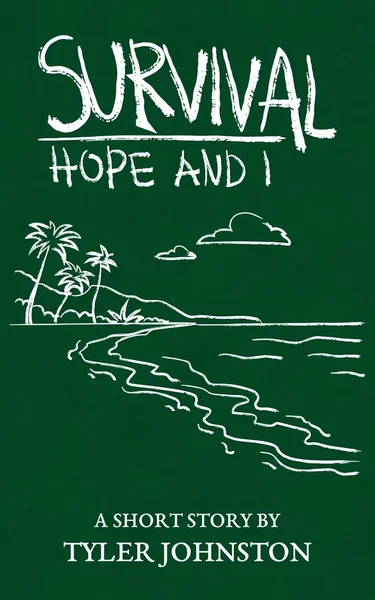
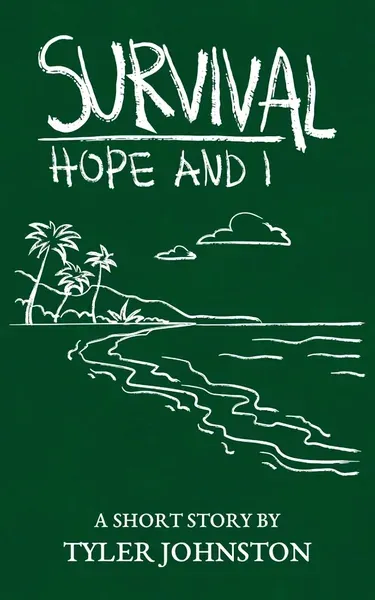
Survival: Hope and I by Tyler Johnston front cover

Our review

Survival: Hope and I by Tyler Johnston Review: Illustrated YA Fiction on Resilience

Survival: Hope and I is an illustrated young adult paperback by Tyler Johnston, with illustrations by Martina Tomevska, aimed at readers aged 13–17 and exploring themes of survival, hope, and resilience. This review is based on the book's published record and available source commentary, not hands-on reading. At 83 pages, it offers a compact but emotionally focused entry point for teen readers drawn to those themes.
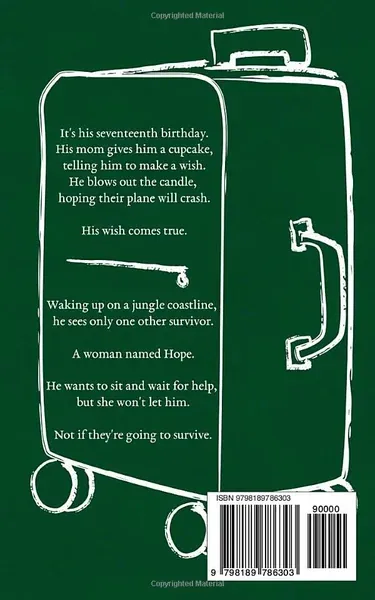
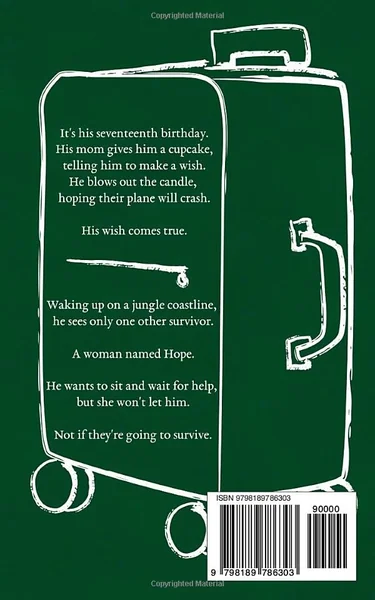
Back cover with synopsis text and a suitcase illustration on dark green background.Tap to enlarge

LuvemBooks Verdict

Best for

Teen readers aged 13–17 navigating emotional difficulty or uncertainty who respond best to introspective, illustrated YA storytelling centred on hope, resilience, and inner growth rather than plot-driven action.

Worth it if

Worth reading if you are looking for a compact, illustrated YA story that prioritises emotional resolution and thematic care over narrative spectacle, and can be read comfortably in a single sitting.

Skip if

Skip it if you are seeking action-forward wilderness survival plotting, extended world-building, or the narrative complexity and character depth that a longer, traditionally published YA novel can sustain.

A reviewer on The StoryGraph praises the book's emotional resolution and notes that "the themes of survival, hope, and resilience were handled with care," describing the conclusion as fitting and true to the heart of the story. No broader critical consensus from major outlets was retrievable from available sources.

Sources: The StoryGraph

Age & Reading Level

Recommended age

Ages 12–18

Reading level

Young adult

Content to know about

emotional trauma and survival themes

Best for: Ages 13+ — emotional complexity around survival, resilience, and consequence suits early-to-mid teen readers and above.

Skip if you're looking for action-driven survival plotting or extended narrative complexity.

In This Review
  • What Works & What Doesn't
  • What the Book Is and What It Covers
  • Themes and Emotional Register
  • The Role of Illustration
  • Significance and Audience Fit
  • Limitations and Practical Considerations

What Works & What Doesn't

What Works
  • Thematic focus on hope and resilience is emotionally resonant for the 13–17 age range it targets
  • Illustrated format by Martina Tomevska adds a distinct visual dimension uncommon in standard YA paperbacks
  • Compact 83-page length makes it accessible and completable in a short reading window
  • A StoryGraph reviewer praises the book's emphasis on emotional resolution and care in handling its central themes
What Doesn't
  • Brief page count limits opportunities for extended character development or narrative complexity
  • Independently published distribution may reduce availability compared to traditionally published YA titles in the same category
This review covers the content, structure, and published reception of Survival: Hope and I from available sources — it does not reflect hands-on reading or applied use of the book.

What the Book Is and What It Covers

Survival: Hope and I is an independently published illustrated paperback by Tyler Johnston, edited by Starling Publishing and illustrated by Martina Tomevska. Targeted at readers aged 13 to 17, the book takes up survival, hope, and resilience as its central concerns — themes that place it squarely within a tradition of emotionally driven YA storytelling. At 83 pages, it is a compact work, designed to be read in a single or short sitting rather than as an extended narrative. The title's pairing — "Hope and I" — signals that hope functions not merely as a backdrop but as an active, named presence or force within the story's emotional landscape.

Themes and Emotional Register

The thematic core of the book orbits what survival demands of a young person when hope is their primary resource. A review on The StoryGraph describes the book as delivering "an emotional, fitting conclusion that stayed true to the heart of the story while giving the characters the space they needed to grow, heal, and face the consequences of everything that came before," adding that "the themes of survival, hope, and resilience were handled with care." That same source notes particular appreciation for the book's emphasis on emotional resolution over tidy plot closure — a distinction that suggests Johnston is writing toward interiority and growth rather than action-driven plotting. For teen readers, this orientation toward feeling and consequence rather than spectacle may be the book's defining quality.

The Role of Illustration

Martina Tomevska is credited as the illustrator, and the presence of visual art distinguishes Survival: Hope and I from a conventional prose-only YA paperback. The illustrations are a structural element of how the book delivers its narrative and emotional content, making Tomevska a meaningful creative collaborator rather than a supplementary contributor. The book's compact page count — 83 pages — and its illustrated format position it closer to a hybrid or graphic-adjacent reading experience than a standard YA novel, which affects both the likely pace of reading and the type of reader it will suit best.
Back cover with synopsis text and a suitcase illustration on dark green background.

Significance and Audience Fit

Independent YA publishing has grown substantially as a channel for voices working outside traditional gatekeeping, and Survival: Hope and I sits within that space. Its editorial partner, Starling Publishing, is credited in the production, lending a layer of structural oversight to what is otherwise an independently published title. The book's reading age of 13–17 is clearly defined, and its thematic focus on survival and hope aligns it with a YA reader navigating difficulty, uncertainty, or emotional complexity — the audience for whom those themes carry the most immediate resonance. Readers seeking fast-paced wilderness survival plots or action-forward storytelling will find this a different kind of book; its emphasis, per the available commentary, is emotional and introspective.

Limitations and Practical Considerations

Because Survival: Hope and I is independently published with a compact page count and a focused thematic scope, readers expecting the narrative range or world-building depth of longer YA works will need to calibrate expectations accordingly. The book's brevity is by design, but it does mean that character development and plot complexity are necessarily condensed. Additionally, as an illustrated paperback from an independent imprint, its distribution and discoverability outside dedicated channels may be more limited than traditionally published titles in the same age range. Readers and gift-givers should note the illustrated format when matching the book to a specific teen reader's preferences, as the visual dimension shapes the experience considerably.

Sources & Further Reading

The key facts and claims in this review are grounded in the retrieved, verified sources listed below.

  1. Cited in this review
  2. 1
  3. Further reading
  4. 2
  5. 3
  6. 4
  7. 5
  8. 6
  9. 7
  10. 8
  11. 9
  12. 10
  13. 11
  14. 12