
8 min read
4.7
· 4,577 Amazon ratingsFeatured In
Share This Review
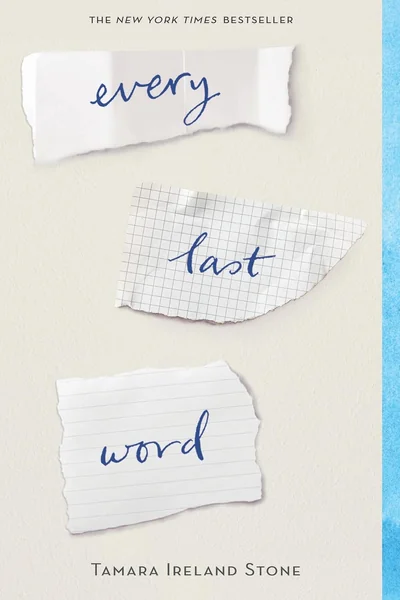
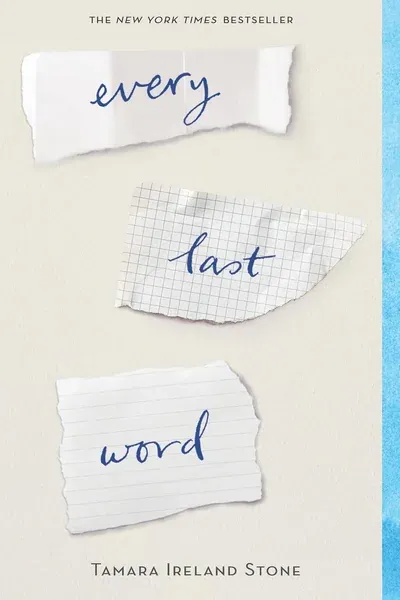
Every Last Word by Tamara Ireland Stone Review: A Powerful YA Novel About Hidden Struggles
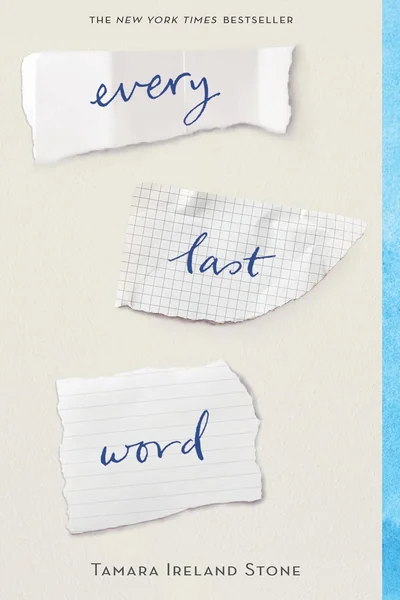
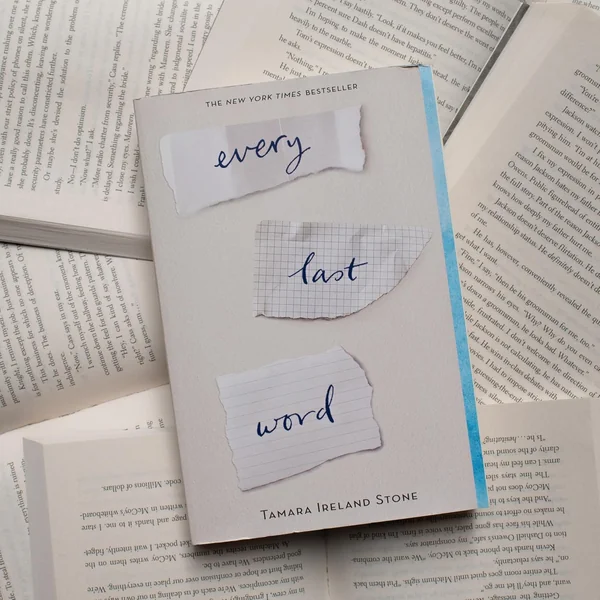
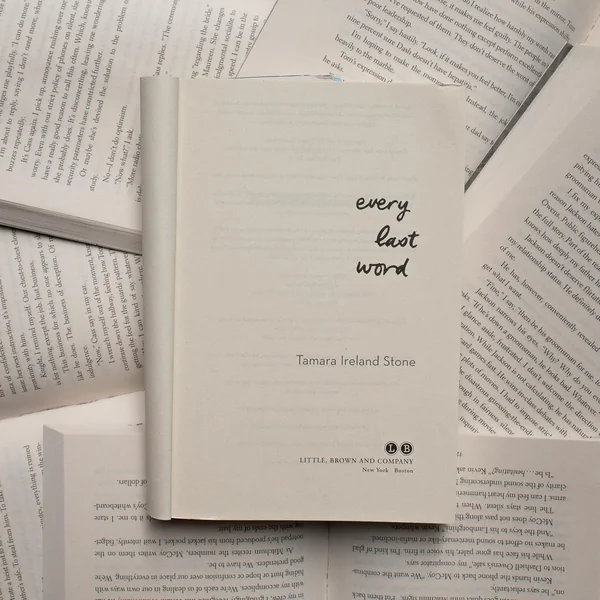
Every Last Word is a New York Times bestselling young adult novel by Tamara Ireland Stone, originally published in June 2015 and later reissued, following sixteen-year-old Samantha McAllister as she navigates a double life — popular girl on the surface, secret OCD sufferer underneath — until a hidden poetry club called Poet's Corner cracks her world open. Kirkus Reviews calls it "Clueless meets Dead Poets Society with a whopping final twist," and the novel has earned a sustained readership as a BookTok sensation, praised for its internal, emotionally grounded portrayal of OCD and its genuinely surprising ending.

 Tap to enlarge
LuvemBooks Verdict
Best for
Teens and young adult readers drawn to emotionally interior mental health narratives — particularly those who want OCD portrayed through its cognitive and psychological reality rather than through visible behavioral tics, and who enjoy a realistic contemporary setting with a secret-society hook and a structural twist.
Worth it if
You come to YA for identity and belonging stories with genuine emotional honesty, can invest in a protagonist's inner world over plot density, and appreciate a well-earned final twist that reframes what came before.
Skip if
You prioritise a fully developed ensemble cast — the Crazy Eights are widely noted as flat, and most of the Poet's Corner group beyond Caroline and AJ remains underdeveloped — or if the tonal inconsistency flagged in the opening chapter (violent obsessive thoughts that don't recur) is likely to unsettle your reading experience.
What readers & critics say
Kirkus Reviews credits Stone with "a fresh take on OCD by focusing on Sam's internal struggle as opposed to the external behaviors that are typically associated with the disorder," praising Sam as an endearing, relatable protagonist and Caroline and AJ as fully developed supporting characters, while flagging a misleading opening and flat portrayals of the Crazy Eights as craft-level weaknesses. Reader bloggers at alexalovesbooks.com and sorryiambooked.wordpress.com echo the praise for Stone's well-researched, compellingly written portrayal of OCD and the authenticity of Sam's relationships, with alexalovesbooks.com calling the novel "one compelling tale" that "flows easily from start to finish."
“Stone offers readers a fresh take on OCD by focusing on Sam's internal struggle as opposed to the external behaviors typically associated with the disorder.”
— Kirkus ReviewsPreview the book
Ask LuvemBooks
Was this helpful?
- Is it worth reading?
- For readers drawn to emotionally interior YA mental health fiction, Every Last Word delivers. Kirkus Reviews credits Stone with a genuinely fresh approach to OCD — centering Sam's internal struggle rather than relying on external behavioral tics — and flags a 'whopping final twist' that rewards full investment in the narrative. The novel's sustained staying power as a New York Times bestseller with a second life as a BookTok sensation underlines that Sam's story continues to connect with new readers years after its 2015 debut. The key caveat: readers who prioritize ensemble depth may feel the Crazy Eights and most of the Poet's Corner crew are underdeveloped, and Kirkus notes the violent register of the opening is tonally inconsistent with the rest of the book.
- Similar books
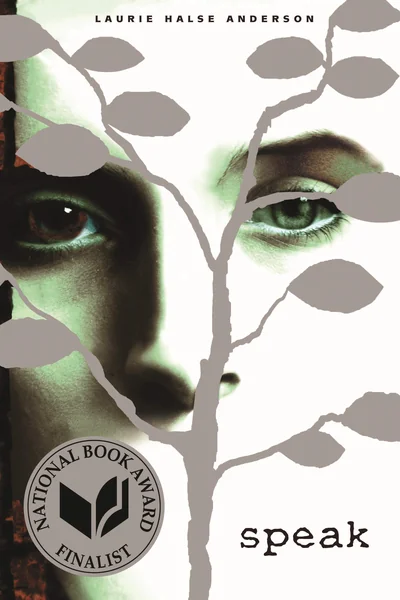
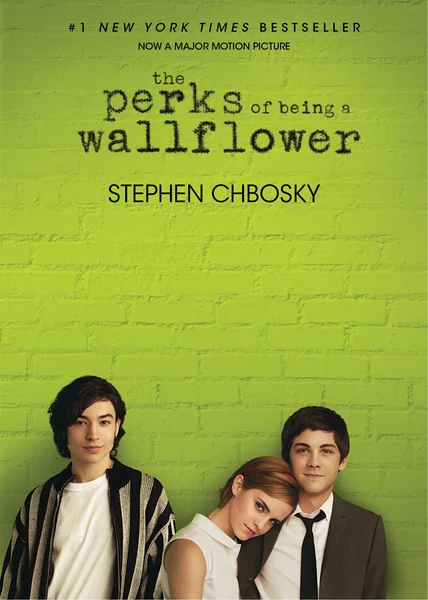
- Readers who connect with Every Last Word will likely find common ground with several titles on the broader mental health YA shelf. Laurie Halse Anderson's Speak and Kathleen Glasgow's Girl in Pieces share its unflinching, emotionally interior approach to a young woman's inner life and identity. Stephen Chbosky's The Perks of Being a Wallflower covers similar territory around outsider belonging and secret pain in a high school setting. E. Lockhart's We Were Liars appeals to the same readers who enjoy a well-executed structural twist embedded in contemporary YA. Stone's own Time Between Us offers another entry point for readers who want more from this author, though it takes a different genre direction.
- Who should read this?
- Every Last Word is best suited to readers who come to young adult fiction for emotionally interior stories about identity, belonging, and mental health — rather than for action or plot density. Teens navigating questions about authenticity, social performance, or mental health will find a direct point of entry in Sam McAllister's double life. Fans of the mental health YA shelf — particularly those who respond to Girl in Pieces or The Perks of Being a Wallflower — will find Every Last Word occupying familiar but well-executed territory. Readers who place a premium on ensemble depth or tonal consistency may find the flat Crazy Eights and underdeveloped Poet's Corner crew a limiting factor.
- What age is it for?
- Best for ages 13 and up, aligning with the novel's YA classification and its grade 7–12 reading level designation. The subject matter — including OCD, obsessive thoughts (notably violent ones in the opening), and the social pressures of high school — is most meaningfully engaged with by readers in their early teens and above. Parents should note that Kirkus flags the opening's violent obsessive thoughts as tonally distinct from the rest of the novel, which may be worth considering for readers on the younger end of the range.
- About Tamara Ireland Stone
- The verified author bio provided for this title does not contain specific biographical information about Tamara Ireland Stone. For accurate and up-to-date details about the author, readers are encouraged to consult the author's official website or publisher biography.
- What are the main themes?
- Every Last Word is built around the tension between social performance and authentic identity — Sam McAllister maintains a carefully constructed public face among the Crazy Eights while privately living with OCD she fears would shatter her standing if revealed. Mental health and the internal experience of obsessive thoughts are central, with Stone's approach notable for going inward rather than relying on visible behavioral tics. Belonging, authenticity, and the cost of hiding who you are run through the Poet's Corner narrative thread, where the price of admission is honesty. The novel also engages with the specific social pressures of high school hierarchies and what it means to find a real community after years of performance.
- Is it a good book club pick?
- Every Last Word offers strong discussion potential for book clubs, particularly those with an interest in mental health representation in YA fiction. The gap between Sam's public persona and her inner reality provides a rich conversation thread around authenticity, social performance, and the cost of hiding. Kirkus's identified structural criticisms — the flat Crazy Eights, the underdeveloped Poet's Corner ensemble, and the tonal inconsistency of the opening — give groups specific craft-level moments to debate. The final twist, which Kirkus labels 'whopping,' is a natural focal point for discussion about how it recontextualizes the story.
Summarize this book
Follow up
Synthesized from verified book data & published reviews · How we review
Press Enter to ask. Answers come from our editorial Q&A — start typing to see related questions.
Age & Reading Level
Recommended age
Ages 12–18
Reading level
Young adult
3 content notes · who it suits
Content to know about
Best for: Ages 13+ — YA grade 7–12 reading level; the opening chapter contains violent obsessive thoughts that are tonally distinct from the rest of the novel, and themes of OCD, mental health stigma, and social performance are best suited to early-teen readers and above.
Skip if you're looking for a fast-paced plot or a richly developed ensemble cast rather than an emotionally interior character study.
Our Review
What the Novel Is and What It Does
Significance and Standing in YA Fiction
What Stone Gets Right: A Fresh Interior Lens on OCD
Genuine Limitations Worth Noting
Who This Novel Is For
Sources & Further Reading
The key facts and claims in this review are grounded in the retrieved, verified sources listed below.
- Cited in this review
- 1
candidcover.net
- 2
- Further reading
- 3
kirkusreviews.com
- 4
- 5
alexalovesbooks.com
- 6
astoldbyzaheerah.com
- 7
stackedbooks.org
- 8
barnesandnoble.com
- 9
books.google.com
Books like Every Last Word
Curated picks for readers who enjoyed Every Last Word, with our reasoning for each match.
If you liked Every Last Word
Why It’s Trending
BookTok Keeps This OCD-Focused YA Novel in the Conversation
Every Last Word has built a lasting fanbase through BookTok, where readers keep recommending it for its honest portrayal of OCD and its genuinely shocking twist ending. It's one of those titles that never really goes quiet — someone always seems to be discovering it for the first time.