Lessons in Chemistry is Bonnie Garmus's debut novel, following Elizabeth Zott — a research chemist in 1960s California who, after being fired from Hastings Research Institute, becomes the unlikely star of a TV cooking show called Supper at Six and quietly ignites a revolution. With more than 8 million copies sold globally and a Goodreads Choice Award to its name, it is one of the most decorated debut novels in recent memory.
Readers who love sharply drawn historical fiction and feminist satire built around an utterly singular protagonist — particularly those drawn to the world of The Queen's Gambit or The Marvelous Mrs. Maisel who want a novel that pairs genuine social anger with fleet, comic prose.
Worth it if
Worth reading if you want a debut novel that combines a genuinely original heroine, a specific and richly rendered early-1960s setting, and comedy that doubles as serious argument about women's ambition and self-determination.
Skip if
Skip it if you have a low tolerance for tonal shifts between farce and genuine darkness, dislike non-linear narrative structures, or are likely to be put off by a semi-magical-realist subplot narrated from the perspective of a dog.
What readers & critics say
The Guardian called Lessons in Chemistry "a polished, funny, thought-provoking story, wearing its research lightly but confidently, and with sentences so stylishly turned it's hard to believe it's a debut," while also noting some first-novel structural wobbles in perspective shifts and the unconventional dog narrator. The novel's extraordinary commercial record — more than 8 million copies sold, a Goodreads Choice Award, and best-book recognition from multiple major outlets — is documented across sources including indigo.ca and en.wikipedia.org.
“A polished, funny, thought-provoking story — with sentences so stylishly turned it's hard to believe it's a debut.”
Lessons in Chemistry is Bonnie Garmus's debut novel set in early 1960s California, following Elizabeth Zott — a research chemist whose derailed academic career lands her improbably in front of a TV cooking audience, where she becomes an accidental catalyst for women's ambitions. With more than 8 million copies sold, a Goodreads Choice Award, and praise from The Guardian as "polished, funny, thought-provoking," it is one of the most acclaimed debut novels in recent memory. Readers who relish sharp feminist satire and an utterly singular protagonist will find it irresistible; those who prefer tightly realist, single-perspective narratives should note the novel's roving point of view and its semi-magical-realist dog narrator.
Is it worth reading?
For readers drawn to sharp historical fiction, feminist satire, or character studies built around an unusually singular protagonist, the critical consensus is a clear yes. The Guardian called it 'polished, funny, thought-provoking,' with sentences 'so stylishly turned it's hard to believe it's a debut,' and Stephen King described it as 'the Catch-22 of early feminism.' The most concrete caveat from criticism is structural: the narrative perspective shifts too often to minor characters, diluting Elizabeth Zott's superbly deadpan inner life — the novel's greatest asset. Readers who prefer conventional linear narratives or who are put off by tonal shifts between farce and genuine darkness may find the novel's range a challenge rather than a pleasure.
Similar books
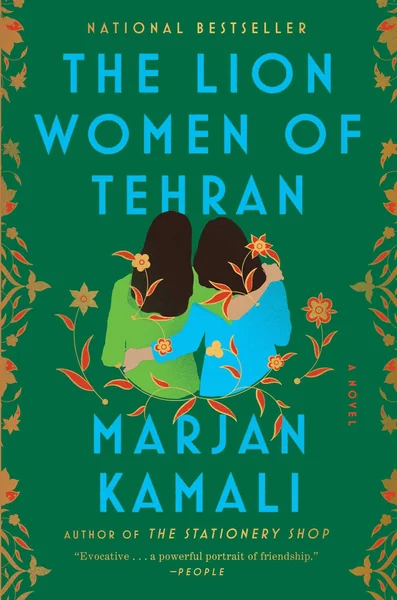
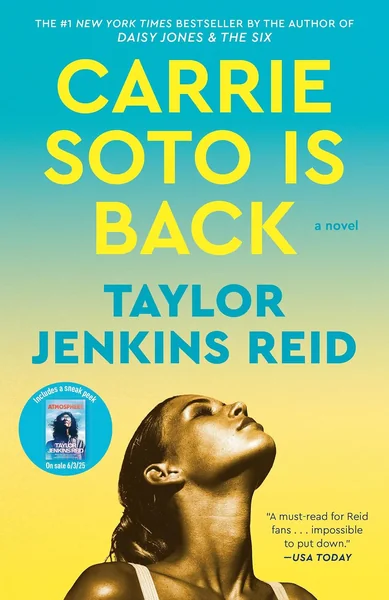
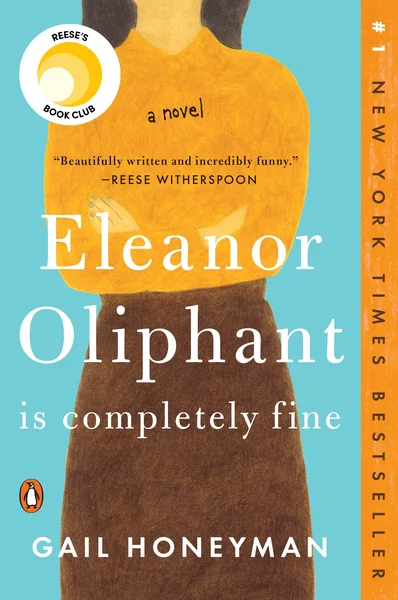
Readers who loved Lessons in Chemistry are frequently drawn to other novels that pair a strong-willed female protagonist with vivid historical or social stakes. Marjan Kamali's The Lion Women of Tehran shares the theme of women forging identity against systemic resistance. Eleanor Oliphant Is Completely Fine by Gail Honeyman offers a similarly singular, socially misaligned female protagonist navigating the world on her own unconventional terms. Taylor Jenkins Reid's Carrie Soto Is Back delivers another fiercely driven woman refusing to be sidelined, in this case on the tennis court. Shelby Van Pelt's Remarkably Bright Creatures and Brit Bennett's The Vanishing Half round out a set of critically acclaimed, character-driven novels with strong feminist or social undercurrents.
Who should read this?
Lessons in Chemistry is squarely aimed at adult readers who enjoy sharp feminist satire, richly drawn historical fiction set in the early 1960s, and character studies built around an unusual protagonist. Rachel Yoder, author of Nightbitch, called it 'a story for all the smart girls who refuse to dumb themselves down despite a culture that demands otherwise,' and Martha Stewart Living framed it as a 'fun, feminist charmer' for anyone interested in a brilliant woman navigating a man's world. Readers who prefer tightly conventional linear narratives, or who are unsympathetic to tonal swings between farce and genuine darkness, may find its range challenging.
About Bonnie Garmus
Bonnie Garmus is the author of Lessons in Chemistry, a historical fiction novel set in the 1960s that follows Elizabeth Zott, a female chemist navigating sexism in a male-dominated scientific field while becoming an unlikely television personality. Garmus has noted in interviews that the novel was partly inspired by a professional experience in which a male colleague took credit for her idea, giving the book's anger its specificity and warmth. The novel was published a few days before Garmus turned 65, making it an extraordinary debut by any measure.
Tell me about the adaptation
Lessons in Chemistry was adapted into an Apple TV+ miniseries that debuted in October 2023, with the screenplay adapted by Lee Eisenberg. The adaptation brings Elizabeth Zott's story — her scientific ambitions, the Supper at Six cooking show, and the 1960s California setting — to the screen. As with any adaptation of a novel whose greatest strength is its protagonist's deadpan interior voice and non-linear structure, readers seeking the full texture of Garmus's prose are generally best served by experiencing the book alongside or before the series.
What are the main themes?
The novel's central preoccupation is women's ambition and self-determination in a culture that systematically refuses to accommodate them. Elizabeth Zott's story is driven by institutional sexism — the theft of her research, her expulsion from a doctoral programme for defending herself against sexual assault, and her reduction to TV cooking show host despite her scientific expertise. Garmus has stated that Elizabeth's mission on Supper at Six is not just teaching women to cook but daring them to change the status quo, grounding the novel's comic register in genuine social anger. The Guardian also identifies the comedy as arising from the gap between Elizabeth's unshakeable sense of self and the world's relentless efforts to shrink her — a dynamic that makes the novel's feminist thesis feel earned rather than imposed.
Is this a good book club pick?
Lessons in Chemistry is widely regarded as an ideal book club selection. Its historical feminist themes, the vividly specific character of Elizabeth Zott, and the structural choices critics have debated — including the roving narrative perspective and the semi-magical-realist dog narrator — all generate substantive discussion. The novel's dual register of social comedy and genuine emotional darkness also tends to divide readers in productive ways, making it fertile ground for disagreement. Its commercial reach (more than 8 million copies sold, a Goodreads Choice Award, and a major Apple TV+ adaptation) means most club members will arrive with existing opinions to test against the text.
Summarize this book
Is it worth reading?
Who should read this?
About Bonnie Garmus
Tell me about the adaptation
What are the main themes?
Is this a good book club pick?
Summarize this book
Lessons in Chemistry opens in 1961 with Elizabeth Zott — a 30-year-old single mother and gifted research chemist — reluctantly hosting a TV cooking show called Supper at Six for housewives. The novel moves backward and forward in time to reveal how she got there: a career derailed by sexual assault and the theft of her doctoral work, a relationship with Nobel-nominated chemist Calvin Evans, and his death leaving her to raise their daughter alone. On air, Elizabeth refuses to dumb down her expertise, instructing viewers in the language of chemistry, and inadvertently ignites her audience's personal ambitions. As Garmus has described it, Elizabeth is not just teaching women to cook — she is daring them to change the status quo.
Follow up
What is the TV show Supper at Six?
Is there a happy ending?
How long is the book?
Synthesized from verified book data & published reviews · How we review
Ask LuvemBooks
What would you like to know about Lessons in Chemistry?
Answers come from our editorial notes on this book. If we haven't covered something, we'll say so.
Readers often ask
Our Review
We review the evidence: published critics, reader verdicts and BookTube reviews, gathered and weighed with AI assistance and edited by LuvemBooks, rather than one reader's first-hand take.
Lessons in Chemistry is a novel, not a how-to guide, and this review draws on published critical sources and the book's documented record rather than any hands-on reading.
What the Novel Is and What Happens in It
Lessons in Chemistry opens in 1961 with Elizabeth Zott, a 30-year-old single mother described by the publisher as "permanently depressed," reluctantly hosting a TV cooking show for housewives called Supper at Six. The novel then moves backward and forward in time to explain how she got there.
Elizabeth is a gifted research chemist whose academic career was derailed by sexual assault and the theft of her work; she is subsequently expelled from her doctoral program after refusing to apologize for defending herself. At Hastings Research Institute she meets Calvin Evans, a Nobel-nominated chemist who initially mistakes her for a secretary, and whose death later leaves her to raise their daughter alone.
On Supper at Six, Elizabeth refuses to dumb down her expertise, instructing viewers to "combine one tablespoon acetic acid with a pinch of sodium chloride" — and in doing so she inadvertently becomes a catalyst for her audience's personal ambitions. The novel's thesis, as Garmus has described it, is that Elizabeth is not just teaching women to cook; she is daring them to change the status quo.
Significance and Place in the Culture
Published by Doubleday in April 2022, Lessons in Chemistry became a #1 global bestseller with more than 8 million copies sold, according to Penguin Random House. It was named a best book of the year by The New York Times, The Washington Post, NPR, Oprah Daily, Entertainment Weekly, and Newsweek, among others.
The novel also won the Goodreads Choice Award and was adapted into an Apple TV+ miniseries that debuted in October 2023, adapted by Lee Eisenberg. The book was published a few days before Garmus turned 65, making it an extraordinary debut by any measure.
The Guardian drew a direct cultural line for the book, situating Elizabeth Zott alongside the renewed popular interest in pioneering women of the late 1950s and early 1960s — noting the novel's kinship with The Queen's Gambit and The Marvelous Mrs. Maisel, as well as a nod to Julia Child as a trailblazing TV presence.
Nix from Nixreads reviews Lessons in Chemistry: A Novel
Nix reviews Lessons in Chemistry by Bonnie Garmus, sharing praise for its pacing alongside critiques of its tone and characterization.
Their views, not ours. The points are our AI summary of what they say, each playing from where they say it.
Another view · loved it
Helen Blunden found the novel highly readable, immersive, and fast-paced, noting that its structure feels cinematic. While they struggled initially with Elizabeth Zott's modern attitude feeling historically unbelievable and somewhat abrasive, they felt the alternating viewpoints—especially the dog's—helped balance the book. Overall, Helen appreciated the timely themes of equality and relationships and highly recommends the novel. Life Lessons From Books on YouTube
Misleading marketing and cover design
Nix explains that the cheerful pastel cover and blurbs wrongly present the book as a romantic comedy, hiding very dark subject matter and graphic depictions of sexual assault.
Engaging prose and sharp dialogue
Nix highlights that the book is compulsively readable, noting that the witty writing and lighter tone help offset the grimmer developments in Elizabeth's life.
Exaggerated and stereotypical characterizations
Nix points out that the characters lack nuance, with Elizabeth depicted as an exaggerated stereotype of a cold, hyper-logical scientist and her four-year-old daughter talking like a witty teenager.
A diversion from Elizabeth's storyline
Nix found the ending slightly disappointing because it pivoted away from Elizabeth to focus on an unnecessary mystery involving another supporting character.
Strengths: Voice, Comedy, and a Heroine Worth Following
The Guardian called it "a polished, funny, thought-provoking story, wearing its research lightly but confidently, and with sentences so stylishly turned it's hard to believe it's a debut." Critics credited Garmus with delivering "an assured voice, an indelible heroine and relatable love stories."
The comedy, The Guardian noted, arises from the gap between Elizabeth's deadpan, unshakeable sense of self and the relentless efforts of those around her to shrink her into an acceptable shape. One passage the review highlighted captures this precisely: "She'd been defined not by what she did, but by what others had done."
The Penguin Random House edition carries a blurb from Stephen King, who called the novel "witty, sometimes hilarious… the Catch-22 of early feminism." Critics described it as "irresistible, satisfying and full of fuel."
Rachel Yoder, author of Nightbitch, wrote that it is "a story for all the smart girls who refuse to dumb themselves down despite a culture that demands otherwise."
Genuine Limitations: Structural Wobbles in an Otherwise Assured Debut
The Guardian identified what it called "a few first-novel flaws," noting that the narrative perspective hops around too frequently, spending time with minor characters when the novel's greatest strength is Elizabeth's inner life. This occasional diffusion of focus is the most concrete structural criticism the critical record surfaces.
The Guardian also flagged a semi-magical-realist strand told from the perspective of Elizabeth's dog — an explosive-detection animal she adopts early in the story — and noted that some readers may find this strand difficult to accept. It is a bold structural choice, and readers who prefer tightly realist fiction should be aware of it going in.
Who It Is For and How It Holds Up
Martha Stewart Living described Lessons in Chemistry as "a fun, feminist charmer" centered on "a brilliant chemist in a man's world — 1960s America — as she becomes an unlikely cooking-show host and the role model her daughter deserves." That framing captures the dual registers the novel operates in: social comedy and genuine emotional stakes.
Garmus has said in interviews that Elizabeth is her "role model," not her alter ego, and that the novel was partly inspired by a meeting at which a male colleague took credit for her idea during her years as a copywriter and creative director. That autobiographical fuel gives the book's anger its specificity and warmth.
Readers drawn to sharp historical fiction, feminist satire, or character studies built around a singularly unusual protagonist are the natural audience here. Those who prefer conventional linear narratives or who are put off by tonal shifts between farce and genuine darkness may find the novel's range a challenge rather than an asset.
Sources & Further Reading
The key facts and claims in this review are grounded in the retrieved, verified sources listed below.
Best for: Adults / mature 16+ — the novel's central plot turns on sexual assault and its institutional aftermath, alongside themes of grief and sustained gender-based discrimination
Skip if you want a tightly realist, single-perspective narrative with no tonal shifts between comedy and darkness
From our readers
Reader reviews
Be one of the first readers to answer.
Read it? Was it right for you?
Books like Lessons in Chemistry
Curated picks for readers who enjoyed Lessons in Chemistry, with our reasoning for each match.