7 min read
4.7
· 219 Amazon ratingsShare This Review

When in ROAM by Pamdiana Jones Review: A Laugh-Out-Loud Solo Adventure Memoir
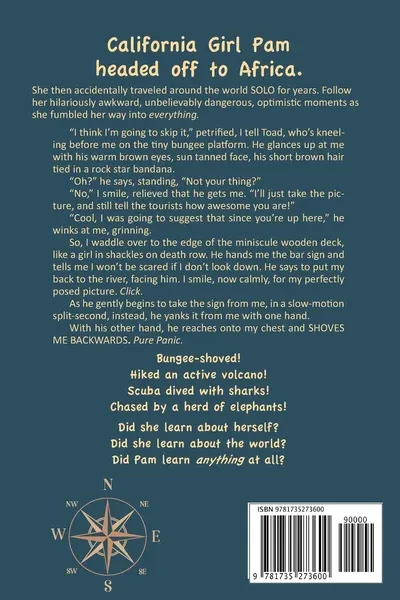
When in ROAM: A Comedy Travel Adventure Memoir is a self-deprecating, fast-paced account of a California woman's accidental years-long solo journey through Africa, Asia, Australia, and New Zealand in the mid-1990s — a debut that turns a cascade of travel disasters into genuinely entertaining storytelling.
 Tap to enlarge
LuvemBooks Verdict
Best for
Readers who enjoy self-deprecating, incident-driven travel humor — especially anyone who has survived their own travel disasters or is curious about what solo backpacking looked like in the pre-internet mid-1990s.
Worth it if
You want a fast-paced, propulsive memoir that trades on specific, real-feeling misadventures and a distinctive comedic voice rather than polished wanderlust or cultural analysis.
Skip if
You're hoping for deep cultural commentary on the destinations, or you need sustained, well-developed supporting characters to stay emotionally invested in a journey.
What readers & critics say
The book blog nsfordwriter.com praises the "fun and enthusiastic narrative style" as the book's greatest asset, while also flagging that the roughly hundred friends who pass through the narrative can feel fleeting, and describes the book overall as "a fun, honest, fast-paced diary from 1995–6." A reviewer on amazon.com.au awarded it five stars, calling it "a fast moving, action packed, eye-opening travel memoir" and noting the narration left them frantically turning pages.
Sources: nsfordwriter.com, amazon.com.auAsk LuvemBooks
Was this helpful?
- Is it worth reading?
- For readers who enjoy self-deprecating humor and propulsive travel writing, When in ROAM delivers on its promise — the episodic structure keeps narrative momentum high, and the comedy is rooted in specific, real-seeming situations rather than generalized observation. Reviewers at nsfordwriter.com describe it as leaving them 'frantically turning pages to see what happened next,' and the mid-1990s pre-internet setting gives the solo adventure stakes an authentic quality that feels distinct from modern travel memoirs. The key caveat is that the comedic, episodic format prioritizes incident over cultural depth, and the large supporting cast — roughly a hundred friends passing through — can blur emotional continuity. Those willing to accept a lighter, more entertaining read over a literary or culturally analytical one will find it well worth the time.
- Similar books
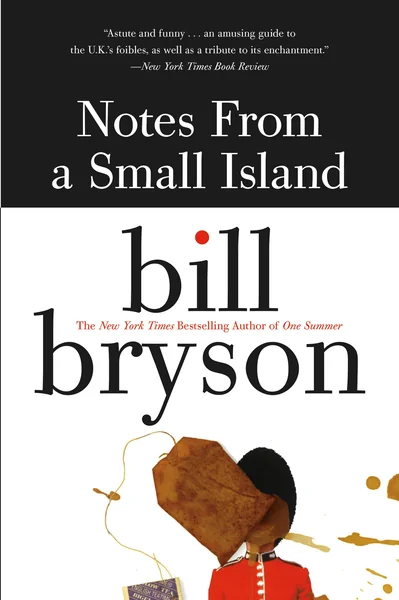
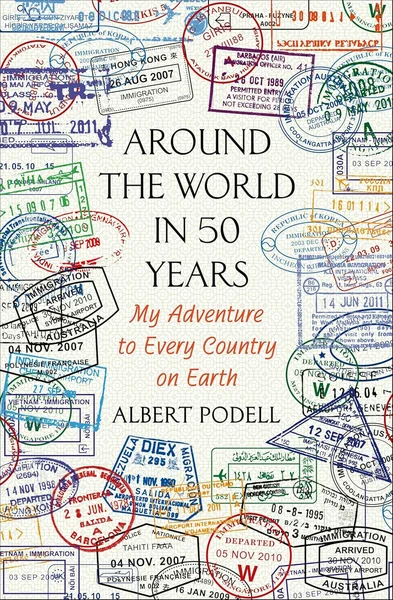
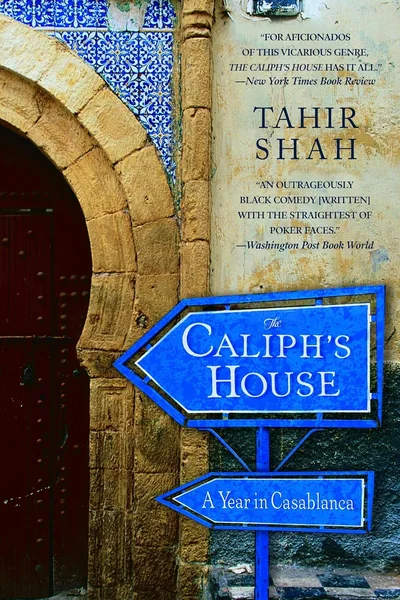
- Readers who enjoy When in ROAM are likely to appreciate Bill Bryson's Notes from a Small Island, which shares the gift for finding humor in travel mishaps — though Bryson leans more toward cultural commentary than personal misfortune. Albert Podell's Around the World in 50 Years offers another sweeping, adventure-driven travel memoir for readers drawn to the sheer geographic ambition of Pam's journey. She Explores by Gale Straub speaks to the solo female travel experience that runs through When in ROAM, while The Caliph's House by Tahir Shah delivers the kind of culture-clash, fish-out-of-water storytelling that fans of Pam's misadventure style will recognize. A Walk in the Park by Kevin Fedarko rounds out the list for readers who want their travel writing edged with real physical stakes and dry humor.
- Who should read this?
- When in ROAM is most squarely aimed at readers who appreciate self-deprecating humor and prefer memoirs that don't take themselves too seriously. It will particularly resonate with anyone who has survived their own travel disasters, as well as readers who traveled in the 1990s and will recognize the pre-smartphone, guidebook-in-hand era it captures. Younger readers curious about what solo adventure looked like without the safety net of connectivity will find the mid-1990s setting genuinely eye-opening. Those seeking deep cultural analysis, literary introspection, or sustained emotional investment in supporting characters should approach with adjusted expectations.
- About Pamdiana Jones
- Pamdiana Jones is a California-based comedy travel adventure author best known for her memoir When in ROAM. She accidentally traveled solo around the world for three years, journeying through South Africa, Malaysia, Thailand, Singapore, Indonesia, Australia, New Zealand, and beyond — fumbling into hilariously dangerous escapades such as being chased by wild elephants, bungee jumping, and scuba diving. The pen name Pamdiana Jones is a nod to Indiana Jones; she signed letters home that way for 25 years before finally committing the stories to the page.
- What makes it funny?
- The comedy in When in ROAM is rooted in specific, real-seeming misadventures rather than generalized observation — each adventure is its own set piece, from being chased by a herd of wild elephants to being shoved off a bungee platform to scuba diving with sharks. What distinguishes the humor is Pam's narrative voice, which strikes a balance between self-aware commentary and genuine surprise at her own capacity for creating comedic chaos. The escalating absurdity gives the book a cumulative energy: the disasters don't just pile up, they build on each other in ways that keep the momentum high across a wide range of destinations.
- Where does this fit in the series?
- When in ROAM is the first book in the Pamdiana Jones Adventure Comedy Travel Memoir Series, published by Turtle Publishing House in August 2020. It functions as the entry point for readers willing to follow Pam's misadventures further, establishing the voice, format, and geographic scope that the series builds on. Starting here is the natural choice for anyone new to the series.
Summarize this book
Follow up
Synthesized from verified book data & published reviews · How we review
Press Enter to ask. Answers come from our editorial Q&A — start typing to see related questions.
Age & Reading Level
Recommended age
Adult
Reading level
Adult
who it suits
Skip if you're looking for deep cultural analysis or sustained emotional investment in recurring supporting characters.
Our Review
What the Book Actually Is

Premise and Narrative Voice
Strengths: Pace, Humor, and Genuine Stakes
Limitations: A Cast That Can Blur
Who This Book Is For
Sources & Further Reading
The key facts and claims in this review are grounded in the retrieved, verified sources listed below.
- Cited in this review
- 1
- 2
nsfordwriter.com
- Further reading
- 3
- 4
- 5
- 6
Books like When in ROAM
Curated picks for readers who enjoyed When in ROAM, with our reasoning for each match.
If you liked When in ROAM