At a glance
About the Author
Annie S. Peck1 book reviewed
The South American Tour
Journey Through Exotic South America
by Annie S. Peck
LuvemBooks Verdict
Best for: Readers of travel history and armchair travelers who want a firsthand grand tour of South America's cities and scenery as a pioneering woman mountaineer saw them in 1913 — a primary source, not a guidebook.
Worth it? Skip it? Read the full verdict →Ask LuvemBooks
Was this helpful?
- Is it worth reading?
- Yes, but only for the right reader. LuvemBooks' verdict is that the book endures as a valuable firsthand historical document — a portrait of South America in the early 1900s and a record of how the continent was being packaged for North American travelers at the dawn of the steamship-and-rail tourist era. It fails completely as practical guidance: routes, costs, and accommodations are over a century out of date. Approach it as an opinionated primary source from a pioneering woman explorer and it delivers the real article.
- Similar books
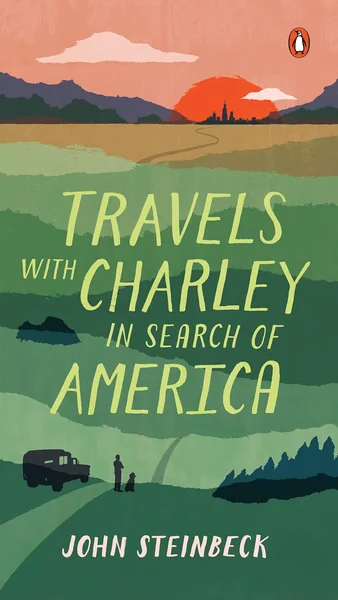
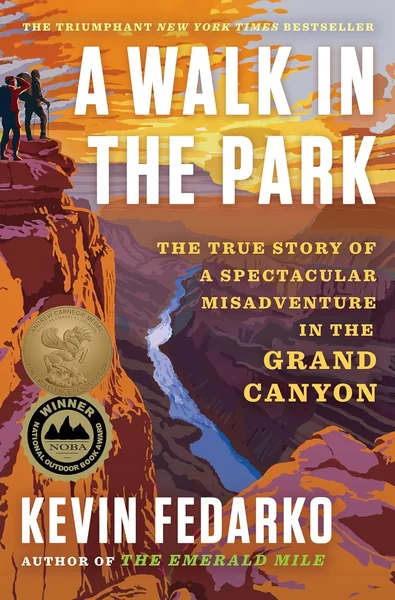
- Readers who respond to Peck's eyewitness exploration writing should look to Kate Harris's Lands of Lost Borders, a modern cycling journey along the Silk Road that wrestles with the legacy of explorers like Peck herself. For classic first-person travel narrative, John Steinbeck's Travels with Charley in Search of America and Albert Podell's Around the World in 50 Years offer similarly panoramic tours, while Kevin Fedarko's A Walk in the Park supplies the expedition-drama side Peck's tour deliberately avoids. Readers specifically drawn to pioneering women travelers of Peck's era might also seek out Isabella Bird's A Lady's Life in the Rocky Mountains or Peck's own A Search for the Apex of America for her climbing exploits.
- Who should read this?
- LuvemBooks identifies three audiences: readers of travel history, armchair travelers curious about South America as it was seen a century ago, and anyone drawn to the careers of pioneering women explorers. The common thread is a willingness to read the book as a primary source — a knowledgeable, opinionated period document — rather than as a modern travelogue. Those wanting Peck's climbing exploits in detail, or current travel guidance, should look elsewhere.
- Can I use it to plan a South America trip?
- Not at all — every route, cost, accommodation, and comfort it describes is from 1913 and cannot be used for trip planning of any kind. Its value today is entirely historical: it shows what South American travel looked like when, as the text puts it, tourism there was rapidly becoming fashionable and popular. Modern travelers should treat it as background reading on the continent's past, not preparation for a journey.
- What makes it a valuable primary source?
- Its authority rests on firsthand experience most period travel writers lacked: Peck had traveled through all parts of Latin America and explored some of its most difficult terrain, culminating in her September 2, 1908 ascent of Huascarán's north peak. The book's introductory material makes the case plainly — her explorations gave her both a vast fund of useful information and especial authority to write about these countries. For historians, it doubles as a document of how South America was packaged and sold to tourists at the dawn of the steamship-and-rail era.
- Where should I start with Annie S. Peck?
- Where should I start with Annie S. Peck?
Summarize this book
Follow up
Synthesized from verified book data & published reviews · How we review
Press Enter to ask. Answers come from our editorial Q&A — start typing to see related questions.
Age & Reading Level
Recommended age
Adult
Reading level
Adult
1 content note · who it suits
Content to know about
Skip if you want usable travel-planning information or a page-turning mountaineering memoir — this is a descriptive 1913 grand tour, not either of those things.
Editorial Review
Annie S. Peck's The South American Tour (originally 1913, reissued by Good Press in 2023) surveys South America's cities and scenery for prospective travelers of her day, written by the mountaineer who climbed Huascarán's north peak in 1908.…
Read the Full ReviewBooks like The South American Tour
Curated picks for readers who enjoyed The South American Tour, with our reasoning for each match.
If you liked The South American Tour