7 min read
4.4
· 152,325 Amazon ratingsShare This Review
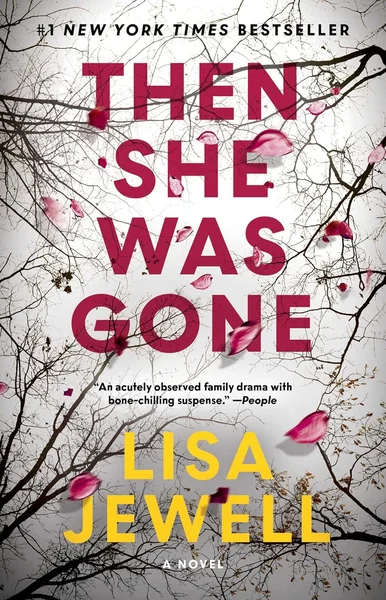
Then She Was Gone: A Novel by Lisa Jewell Review: A Brisk, Deeply Unsettling Domestic Thriller
Then She Was Gone is a tightly constructed psychological thriller in which Lisa Jewell traces one mother's decade-long grief over a missing daughter — and the terrifying answers that surface when she finally stops running from the past.
 Tap to enlarge
LuvemBooks Verdict
Best for
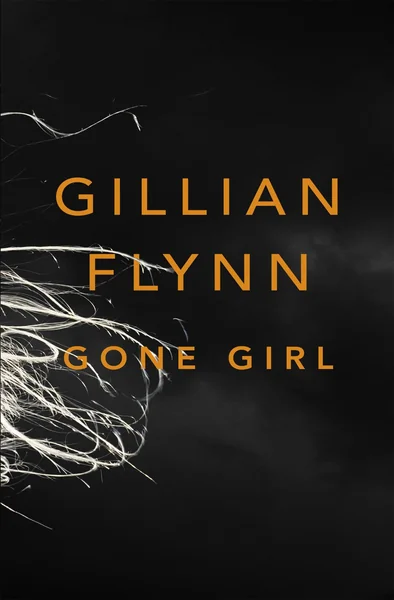
Readers who love domestic psychological thrillers built around family rupture and grief, and who enjoy structurally inventive narratives with shifting timelines and multiple narrators — particularly fans of Jewell's earlier work like I Found You or readers drawn to Gone Girl–adjacent suspense.
Worth it if
The central hook of an uncanny resemblance between a stranger's child and a long-missing daughter sounds genuinely compelling to you, and you're happy to trade some emotional interiority for relentless, well-engineered pacing.
Skip if
You read primarily for deep character interiority and slow emotional texture — the novel's structural machinery and breakneck momentum can crowd out the quieter register of grief that the story's premise promises, and the ending arrives too abruptly to let the full weight of its revelations settle.
What readers & critics say
Kirkus Reviews praises the novel's breakneck pace and escalating tension while noting that its rapid structural maneuvering can obscure the emotional core, and that the ending arrives abruptly even as readers are still moving at full speed. Reader bloggers at samannelizabeth.wordpress.com and baddiebookreviews.com broadly affirm the compelling plot and strong pacing, though both flag minor reservations — unrelatable characters in one case, a slower latter half in the other.
“Dark and unsettling — this novel's end arrives abruptly even as readers are still moving at a breakneck speed.”
— Kirkus ReviewsAsk LuvemBooks
Was this helpful?
- Is it worth reading?
- For readers drawn to domestic suspense, Then She Was Gone delivers on its core promise: Kirkus Reviews confirms it moves at a breakneck pace, the central hook around Poppy's resemblance to Ellie is a genuinely disquieting and well-engineered mystery, and Laurel Mack's grief gives the thriller an emotional weight beyond pure plot mechanics. The caveat is that Kirkus also notes the rapid structural maneuvering can obscure the characters and emotional core, and the ending arrives abruptly — so readers who prioritise slow, textured character interiority may find the mechanics occasionally crowd out that quieter register.
- Similar books
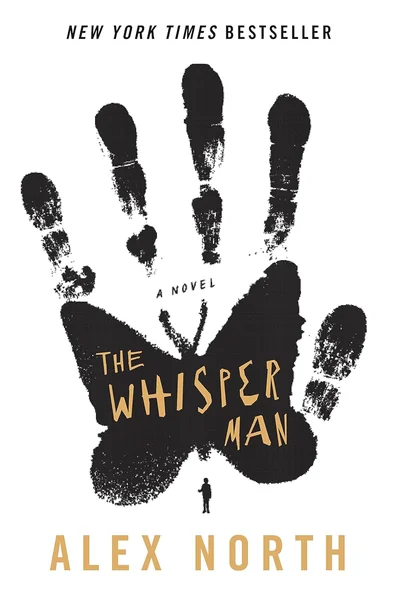
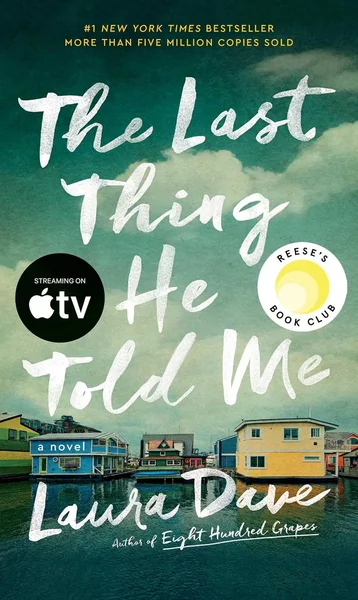
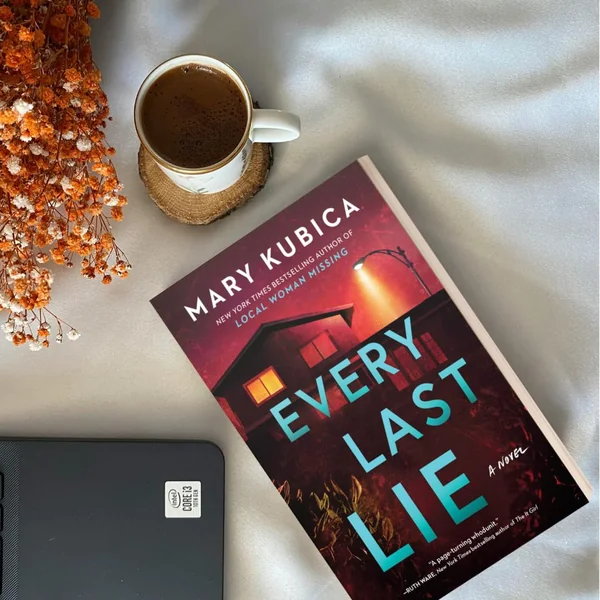
- Readers who enjoy Then She Was Gone's brand of domestic suspense — ordinary family life concealing something terrible — will find strong companions in the curated selection below. The Whisper Man by Alex North and Every Last Lie by Mary Kubica share that same tonal blend of family grief and creeping dread, while The Last Thing He Told Me by Laura Dave brings a similarly propulsive, mystery-driven structure built around concealed identities. Lisa Jewell's own The Family Upstairs and Alex Michaelides's The Silent Patient are also frequently paired with this novel for their psychological intensity and domestic settings.
- Who should read this?
- Then She Was Gone is designed for adult readers drawn to psychological thrillers in the domestic suspense tradition — specifically those who enjoy stories where ordinary family life and relationships become the surface beneath which something terrible is buried. It rewards attentive readers comfortable with a novel that reframes what has been established as the story progresses, and it will particularly appeal to fans of Lisa Jewell's previous work such as I Found You, as well as readers who have enjoyed similarly constructed domestic thrillers. Those who require deep character interiority and a slowly settled ending may find the rapid structural maneuvering and abrupt conclusion less satisfying.
- What are the main themes?
- Grief and its corrosive effect on family is the emotional spine of Then She Was Gone — Laurel Mack's loss of Ellie dismantles her marriage to Paul and her closeness to her children Hanna and Jake, and the novel traces how a decade of unresolved mourning reshapes a person. Beneath that, the book explores concealed identities and the terror that can hide within ordinary domestic relationships: what appears to be a new romance with Floyd and a charming child named Poppy gradually reveals a deeply disturbing history. Family rupture, the distortion of maternal love, and the horror embedded in the familiar round out the novel's thematic core.
- Is this a good book club pick?
- Then She Was Gone offers rich material for book club discussion, particularly around Jewell's structural choices: the three-part architecture, alternating timelines, and the shift to multiple first-person narrators in the final section give groups a concrete craft element to interrogate alongside the story. The tension Kirkus Reviews identifies — between the novel's structural momentum and its emotional depth — is itself a productive discussion point, as is the treatment of grief, family dissolution, and the horror concealed within domestic life. The abrupt ending is also likely to generate debate about how much resolution a thriller owes its readers.
- How does the shifting structure work?
- Jewell's three-part structure is one of the novel's most deliberate and discussed features. Part One alternates between the time of Ellie's disappearance and the present, keeping Laurel Mack at the centre of both. Part Two follows Laurel and Floyd's developing relationship. Part Three significantly expands the toolkit: narration shifts to alternating first-person voices from Poppy's mother and Floyd, interspersed with third-person chapters covering Ellie's own experiences alongside Laurel's present-day discoveries. Kirkus Reviews notes that all of these devices build palpable tension, though the rapid maneuvering can at times obscure the characters and the emotional core of events.
Summarize this book
Follow up
Synthesized from verified book data & published reviews · How we review
Press Enter to ask. Answers come from our editorial Q&A — start typing to see related questions.
Age & Reading Level
Recommended age
Ages 16+
Reading level
Adult
Content to know about
Best for: Adults / mature 16+ — the novel centres on the abduction and death of a fifteen-year-old girl and builds toward a deeply disturbing revelation involving the exploitation of a child
Skip if you prioritise slow, character-driven literary fiction over plot-driven thriller mechanics
Our Review
What the Novel Is About
Structure and Narrative Design
Strengths: Tension and Readability

Where the Novel Strains
Who This Novel Is For
Sources & Further Reading
The key facts and claims in this review are grounded in the retrieved, verified sources listed below.
- Cited in this review
- 1
colony.litopia.com
- 2
barnesandnoble.com
- Further reading
- 3
kirkusreviews.com
- 4
makeheadway.com
- 5
- 6
baddiebookreviews.com
- 7
fictionophile.com
Books like Then She Was Gone
Curated picks for readers who enjoyed Then She Was Gone, with our reasoning for each match.
If you liked Then She Was Gone