9 min read
4.5
· 67,896 Amazon ratingsShare This Review

Our review
Ikigai
Ikigai: The Japanese Secret to a Long and Happy Life by Héctor García and Francesc Miralles Review: A Multimillion-Copy Blueprint for Purpose
Ikigai: The Japanese Secret to a Long and Happy Life is a self-help and wellness guide by Héctor García and Francesc Miralles that draws on interviews with centenarians in Okinawa — one of the world's recognized Blue Zones — to explore the Japanese concept of ikigai, or "reason for being," as a framework for a longer, more meaningful life. A multimillion-copy international bestseller published by Penguin Life, the book synthesizes lessons on diet, movement, community, work, and purpose into an accessible format praised by Publishers Weekly for its use of lists, charts, and illustrations. This review is based on the book's contents as described by published sources, not hands-on application.
LuvemBooks Verdict
Best for
Readers curious about Japanese philosophy and longevity who want an accessible, inspiration-first introduction to ikigai, Blue Zone research, and the Okinawan approach to purpose, diet, movement, and community — without needing a background in academic wellness literature.
Worth it if
You're drawn to a gentle, philosophy-driven framework for well-being that weaves together purpose, community, and lifestyle rather than prescribing a single habit or step-by-step programme.
Skip if
You're seeking rigorously sourced academic analysis or deep ethnographic detail on Okinawan culture, or you arrived expecting the popular Western ikigai Venn diagram as a career-mapping tool — the book's treatment of ikigai is rooted in daily purpose, not professional self-optimisation.
What readers & critics say
Publishers Weekly, as quoted on penguinrandomhouse.com, praised the authors for translating their research "into an engaging, easily accessible format with lists, charts, and illustrations," while Neil Pasricha (cited on the same page) described the book as science-based studies that "weave beautifully into honest, straight-talking conversation you won't be able to put down." Independent reviewer voices retrieved from bookishnerd.com and lochanreads.wordpress.com similarly highlighted the book's valuable, actionable wellness content and its effortlessly readable, simply laid-out format.
Sources: Penguin Random House, Bookish Nerd, Lochan ReadsAsk LuvemBooks
Was this helpful?
- Is it worth reading?
- For readers open to a philosophy-driven approach to well-being, Ikigai delivers genuine value: it integrates purpose, community, diet, and movement rather than isolating a single habit as a fix, and its accessible format — lists, charts, and illustrations — makes the research digestible without demanding a wade through academic literature. Neil Pasricha, a New York Times bestselling author, described it as science-based studies that 'weave beautifully into honest, straight-talking conversation you won't be able to put down.' The trade-off is real, however: readers seeking rigorous academic sourcing, deep ethnographic analysis of Okinawan culture, or a prescriptive step-by-step program may find the treatment surface-level. Those already engaged with Japanese philosophy, Blue Zone research, or longevity literature will find it a welcoming entry point or companion to deeper reading.
- Similar books
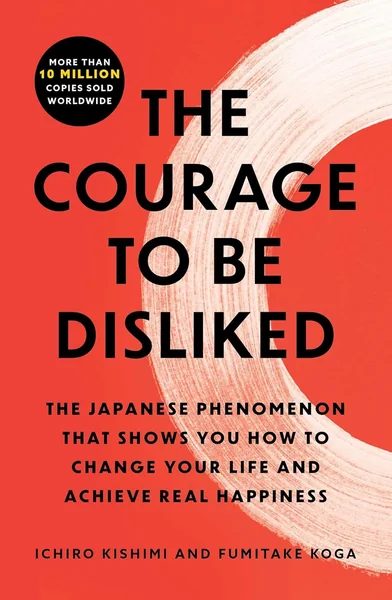
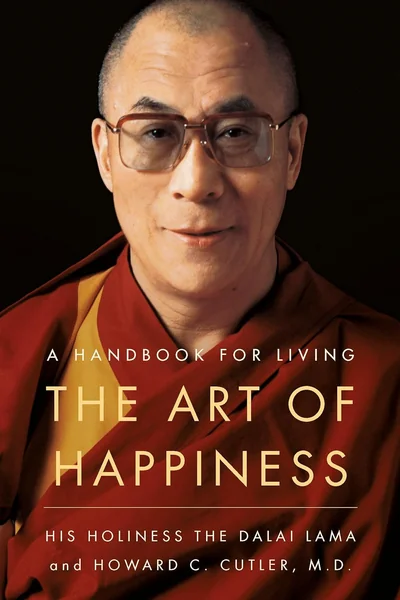
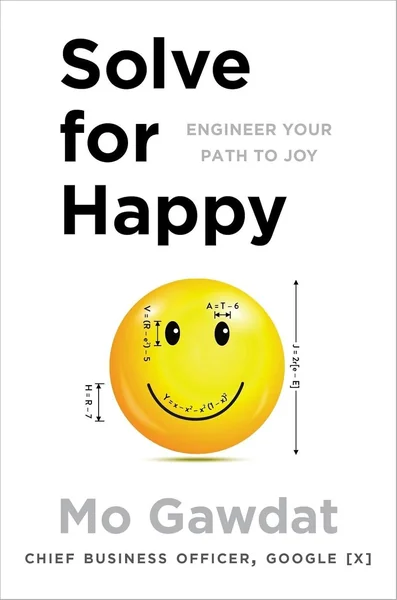
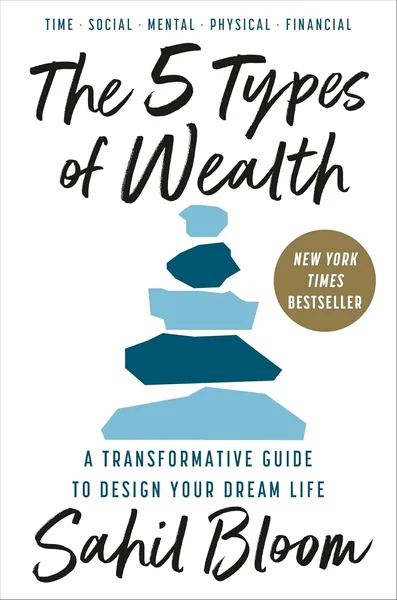
- Readers drawn to Ikigai's blend of Eastern philosophy and practical well-being will find natural companions among several titles on the LuvemBooks catalogue. The Courage to Be Disliked by Ichiro Kishimi and Fumitake Koga offers another Japanese philosophical lens — Adlerian psychology — on how to live freely and purposefully. The Art of Happiness by the Dalai Lama similarly grounds happiness in philosophy and community rather than quick fixes. For a more contemporary, multi-dimensional take on wealth and purpose, The 5 Types of Wealth by Sahil Bloom and Solve for Happy by Mo Gawdat both explore what a meaningful life actually requires. A Simpler Life by The School of Life rounds out the set with a philosophy-informed guide to cutting through complexity — a natural complement to Ikigai's call for a less cluttered, more purposeful existence.
- Who should read this?
- Ikigai is designed for readers open to a gentler, philosophy-driven approach to well-being — one that integrates purpose, community, diet, and movement rather than prescribing a single habit or action plan. Its accessible format and compact structure make it particularly well-suited to those who want orientation and inspiration rather than a rigid program. Readers already engaged with Japanese philosophy, Blue Zone research, or broader longevity literature will find it a welcoming entry point or complement to deeper reading. Those who prefer densely sourced, prescriptive health guides may want to pair it with more technical titles.
- What are the key themes?
- The book's central theme is ikigai — the Japanese concept of 'reason for being' — explored as a daily sense of purpose rather than a career-mapping exercise. Radiating outward from that core are themes of longevity and community (drawn from Okinawa's status as a Blue Zone), diet (including the practice of eating to roughly 80% fullness), movement, and the mind-body connection. A notable recurring theme is the reframing of work and retirement: García and Miralles highlight that Japanese has no direct equivalent for the English word 'retire' in the sense of ceasing meaningful activity, and that many Okinawans remain engaged in purposeful work throughout their lives — a perspective that challenges Western assumptions about productivity, identity, and aging.
- What is a Blue Zone and why does it matter here?
- A Blue Zone is a geographic region where exceptional human longevity is measurably common — areas studied for what their populations do differently to live so long. Okinawa, Japan is one of the world's recognized Blue Zones, with one of the highest concentrations of centenarians on the planet. García and Miralles use Okinawa's documented status as a Blue Zone as the empirical anchor for the book, distinguishing Ikigai from purely philosophical self-help by grounding it in observable, real-world human experience rather than abstract theory.
- What practical takeaways does the book offer?
- Rather than a step-by-step program, Ikigai presents practical lessons organized around the multiple pillars of Okinawan life: diet (including eating to roughly 80% fullness), movement, community, spirituality, and daily purpose. The accessible format — lists, charts, and illustrations — is designed to make these lessons actionable for a general audience without requiring readers to engage with academic literature directly. García and Miralles are clear that ikigai is inherently personal, so the book functions more as orientation and inspiration than a rigid action plan, with the expectation that readers bring their own circumstances to the material.
Summarize this book
Follow up
Synthesized from verified book data & published reviews · How we review
What would you like to know about Ikigai?
Answers come from our editorial notes on this book. If we haven't covered something, we'll say so.
Readers often ask
Our Review
What the Book Is and What It Covers
Significance and Place in the Wellness Genre
Strengths: Accessibility and the Science-Story Balance
Genuine Limitations to Consider
Who Will Get the Most from This Book
Sources & Further Reading
The key facts and claims in this review are grounded in the retrieved, verified sources listed below.
- Cited in this review
- 1
fourminutebooks.com
- 2
japaneserituals.com
- 3
books.apple.com
- Further reading
- 4
- 5
- 6
- 7
bookishnerd.com
- 8
writinginobscurity.com
- 9
- 10
bohemianbibliophile.com
- 11
theinvisiblementor.com
- 12
- 13
Age & Reading Level
Recommended age
Adult
who it suits
Skip if you want a densely sourced, prescriptive health or longevity guide rather than a philosophy-driven wellness overview.
Reader reviews
Be one of the first readers to answer.
Read it? Was it right for you?
Books like Ikigai
Curated picks for readers who enjoyed Ikigai, with our reasoning for each match.
If you liked Ikigai