
8 min read
4.4
· 230 Amazon ratingsShare This Review
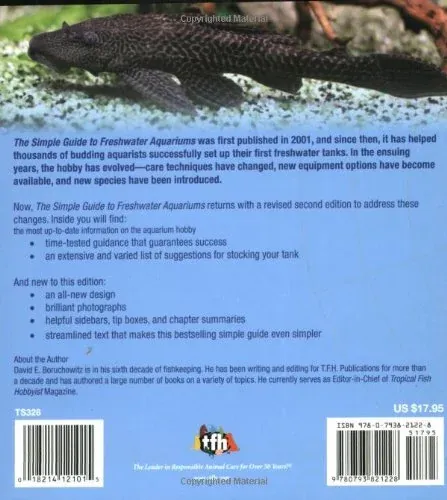
The Simple Guide to Freshwater Aquariums by David E. Boruchowitz Review: A Practical, Beginner-Focused Aquarium Primer
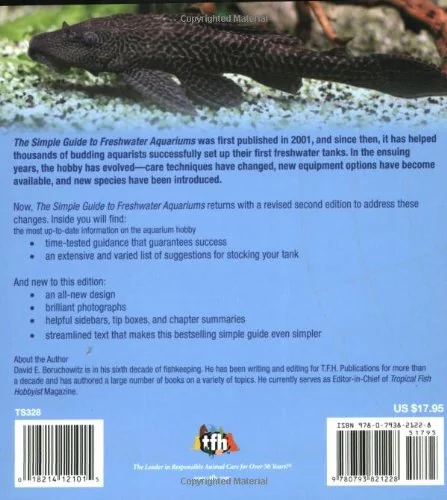
David E. Boruchowitz's The Simple Guide to Freshwater Aquariums (2nd edition, TFH Publications, 2008) is a reference guide designed to walk first-time aquarium keepers through equipment selection, fish and plant choices, and the foundational knowledge needed to build a thriving freshwater tank — with an explicit, publisher-stated mission: to help the new hobbyist succeed from the very first setup.
 Tap to enlarge
LuvemBooks Verdict
Best for
First-time freshwater fishkeepers who want an integrated, plan-first guide that walks them through equipment, fish selection, and plants as a single coherent starting framework rather than a disconnected catalogue.
Worth it if
You are setting up your first freshwater aquarium and want a clearly written, accessible reference that prioritises your early success over exhaustive technical detail.
Skip if
You are an intermediate or advanced aquarist seeking specialist depth on fish diseases, breeding, or biotope design — or you need up-to-date equipment purchasing guidance, since the 2008 publication date means some product specifics may no longer reflect today's market.
What readers & critics say
Reader ratings on the King County Library System catalog reflect a favorable reception, with the title holding a strong aggregate score among hobbyist readers (kcls.bibliocommons.com). A reader on ThriftBooks notes being genuinely surprised by how much they learned and states they "can't recommend this book too highly," underscoring the guide's practical value even for those with some prior fishkeeping familiarity.
Sources: King County Library System (kcls.bibliocommons.com), ThriftBooksIn This Review
- What Works & What Doesn't
- What the Book Is and What It Sets Out to Do
- Design Philosophy and Accessibility
- Place in the Aquarium Reference Genre
- Strengths Noted in Available Sources
- Limitations and Who May Find It Insufficient
What Works & What Doesn't
What Works
- Publisher-stated design philosophy explicitly prioritizes beginner success, giving the book a clear and consistent editorial focus
- Covers equipment selection, fish, and plants as an integrated plan rather than isolated topics — reducing decision paralysis for first-time keepers
- Described by the publisher as written in straightforward, accessible prose designed to be easy to read and put to practical use
- Rated 4.5 out of 5 stars by readers on the King County Library System catalog, reflecting favorable hobbyist reception
- Published by TFH Publications, a long-established name in aquarium and pet reference books, in a second revised edition
What Doesn't
- The beginner-first scope means the book will not satisfy intermediate or advanced aquarists seeking specialized or technical depth
- A 2008 publication date means some equipment recommendations and product references may no longer reflect the current freshwater aquarium market
What the Book Is and What It Sets Out to Do
Design Philosophy and Accessibility
Place in the Aquarium Reference Genre
Strengths Noted in Available Sources
Limitations and Who May Find It Insufficient
Frequently Asked Questions
Sources & Further Reading
The key facts and claims in this review are grounded in the retrieved, verified sources listed below.
- Cited in this review
- 1
- 2
kcls.bibliocommons.com
- Further reading
- 3
- 4
- 5
Related Reviews
Reviews of books we picked for readers who enjoyed The Simple Guide to Freshwater Aquariums.




Reader Comments
No comments yet
Be the first to share your thoughts!