Published

Read Time

9 min read

Reader rating

4.5

· 138 Amazon ratings
reader ratings, not a LuvemBooks score

Reading order

The Horus Heresy

Book 11 of 64 books

  1. Tales of Heresy book cover
    Before thisTales of Heresy2009 · on Amazon
  2. Fallen Angels book cover
    You're readingFallen Angels
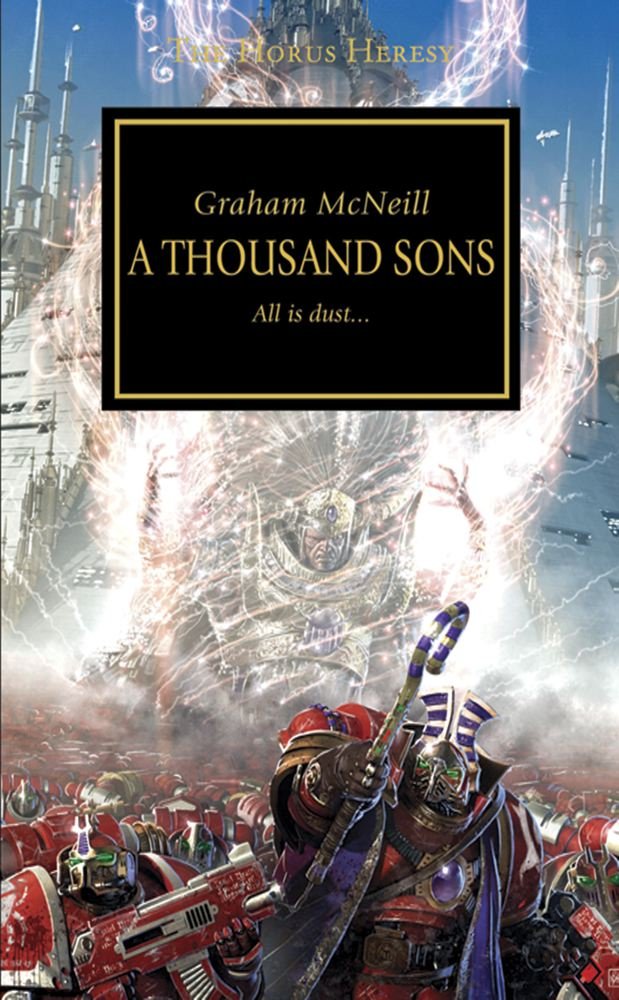
  3. A Thousand Sons book cover
    Up nextA Thousand Sons2010 · on Amazon
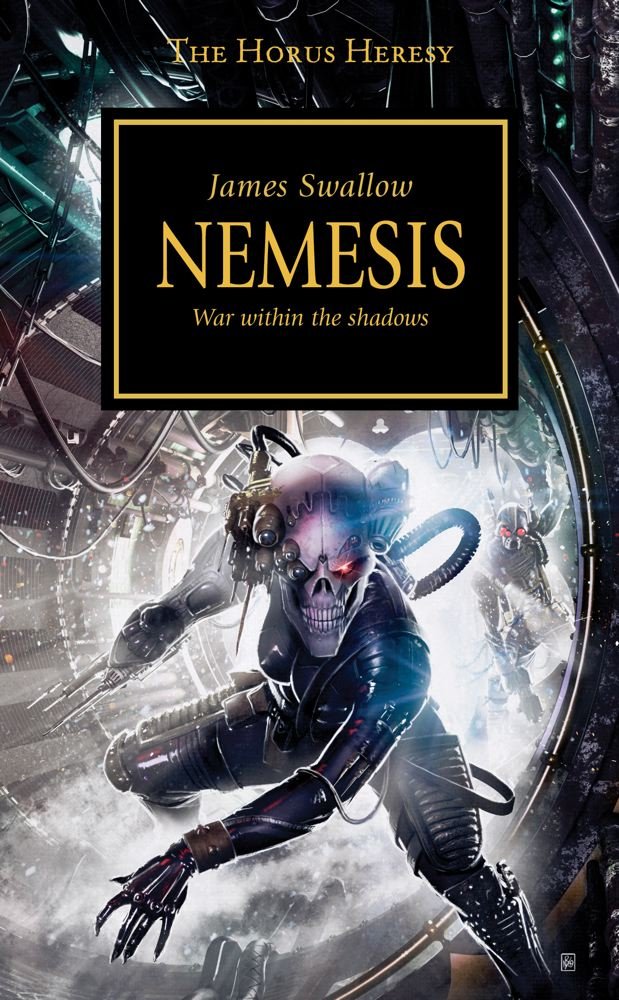
  4. Nemesis book cover
    ThenNemesis2010 · on Amazon
All 64 in order →
Curated & edited by

LuvemBooks Editorial

How we create our reviews →
Share This Review
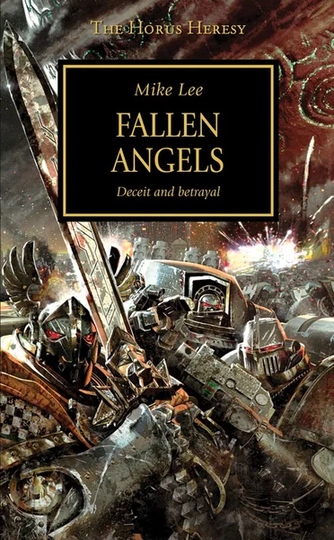
Front cover of Fallen Angels

Our review

Fallen Angels by Mike Lee Review: A Dark Angels Heresy Deep Dive

Fallen Angels by Mike Lee is the eleventh book in the New York Times bestselling Horus Heresy series, following the Dark Angels Legion as Horus's treachery fractures the Great Crusade and loyalties are tested both across the stars and on their home world of Caliban. As the direct sequel to Mitchel Scanlon's Descent of Angels, it earns its place as essential reading for Dark Angels fans.

LuvemBooks Verdict

Best for

Committed Horus Heresy series readers and Dark Angels enthusiasts who want to understand the Legion's pivotal fall from grace and the Caliban mythology that defines them in the far-future setting.

Worth it if

Worth reading if you are working through the Horus Heresy series and have a genuine investment in the Dark Angels' lore, especially if you read Descent of Angels recently and want to follow its story directly into its sequel.

Skip if

Skip it if you are new to the Horus Heresy, primarily following the Warmaster Horus storyline rather than the Dark Angels arc, or find emotional characterisation of superhuman Astartes figures tonally jarring.

Boomtron.com praises Fallen Angels as "a truly excellent piece of work," singling out how Lee "masterfully set the scene for the Dark Angels' fall from grace," while bitsandpieces.games offers a more divided view, calling the Caliban storyline "some of the Horus Heresy's finest work" but finding the parallel Diamat thread "bland and predictable" and the novel ultimately "difficult to recommend" as a follow-up to Descent of Angels.

Sources: boomtron.com, bitsandpieces.games, adventureswithpeps.com, app.thestorygraph.com
4.5from 138 Amazon ratings— reader ratings, not a LuvemBooks score
Buy on Amazon

Age & Reading Level

Recommended age

Adult

Reading level

Adult

Content to know about

large-scale military violence
themes of betrayal and fallen loyalty

Skip if you want emotional restraint and a strictly post-human tone in your Space Marine characters

In This Review
  • What Works & What Doesn't
  • What the Book Contains and Where It Sits in the Series
  • Significance: A Cornerstone of Dark Angels Lore
  • Strengths: Dual Narrative and Moments of Large-Scale Action
  • Limitations: Astartes Characterisation and Structural Sequencing
  • Who This Book Is For

What Works & What Doesn't

What Works
  • Directly continues the Dark Angels storyline from Descent of Angels, providing essential context for the Legion's most significant lore
  • Dual narrative structure balances large-scale military action with the culturally rich Caliban arc
  • Part of the New York Times bestselling Horus Heresy series, which had surpassed one million copies sold at the time
  • Praised by independent reviewers as a solid and engaging installment in the broader saga
What Doesn't
  • Best read immediately after Descent of Angels — the publication order places other volumes in between, disrupting narrative flow for readers following the series sequentially
  • Some reviewers find Lee's emotional characterisation of the Astartes at odds with the superhuman, post-human tone that many Horus Heresy readers expect
This review covers the book's content and published reception from independent sources; it does not reflect hands-on use or a personal read.

What the Book Contains and Where It Sits in the Series

Fallen Angels is the eleventh entry in the Horus Heresy series, published by Black Library, and serves as the direct continuation of Mitchel Scanlon's Descent of Angels. With news of Warmaster Horus's treachery spreading across the galaxy, the Great Crusade grinds to a halt as primarchs and their Legions are forced to choose sides — with the Emperor or with the rebel Warmaster. The Dark Angels, uniquely, must navigate this crisis on two fronts: among the stars, where their primarch Lion El'Jonson leads a strike against a forge world to deny siege weapons to the Sons of Horus, and on Caliban itself, where the knightly orders that preceded the Legion face their own reckoning. That dual-theatre structure — one arc military and galactic in scope, the other rooted in the culture and secrets of Caliban — defines the novel's architecture throughout its 416 pages.

Significance: A Cornerstone of Dark Angels Lore

The Dark Angels are one of Warhammer 40,000's most lore-laden factions, and the Horus Heresy period is central to understanding why. Fallen Angels functions as the narrative bridge that sets the conditions for the Legion's long-running secrets and internal divisions — what the blogger at adventureswithpeps.com calls giving "context to the Descent of Angels novels," describing it as effectively "part two of that first story arc." For readers invested in the mythology of the Dark Angels, this book directly addresses the fall from grace that defines them in the far-future setting. The broader Horus Heresy series had, at the time of this book's publication, sold over a million copies, and the series carries the New York Times bestseller designation — context that reflects the scale of the readership this installment was written for.

Strengths: Dual Narrative and Moments of Large-Scale Action

Reviewer commentary points consistently to the Caliban storyline as the novel's most compelling element. The boomtron.com review notes that Lee "masterfully set the scene for the Dark Angels' fall from grace," and the adventureswithpeps.com reviewer describes the overall book as "a great read and another solid story for the Dark Angels." One recurring point of praise is the inclusion of a full-scale combat sequence — the Lion's assault on the forge world — which provides the kind of large-scale warfare that many Horus Heresy readers seek amid the series' frequent focus on political tension and internal conflict. As the adventureswithpeps.com reviewer puts it, an "all out war scene" serves to "get the attention span awake again" in a series that often centres on inner toil. The novel's value as connective tissue in a long-running saga is also noted: reading Fallen Angels directly after Descent of Angels, rather than separated by multiple intervening volumes, is suggested as the more satisfying approach.

Limitations: Astartes Characterisation and Structural Sequencing

The most specific critique in the available sources targets Mike Lee's portrayal of the Space Marine Astartes characters. One reviewer notes that Lee's Astartes "often speaks of emotional responses" felt to be at odds with the nature of a genetically enhanced superhuman warrior — a matter of authorial interpretation that readers with strong priors about how these figures should be rendered may find jarring. This is explicitly framed as a question of personal taste rather than an absolute flaw, but it is a recurring enough concern in Heresy fan discourse to be worth flagging for those who prize tonal consistency above all. A second structural limitation is the novel's placement within the reading order: adventureswithpeps.com observes it "should have been released straight after Descent as it would have made the story flow better in the Heresy series," meaning readers who follow the series publication order may arrive at Fallen Angels after several intervening books that shift tone and focus considerably before returning to the Caliban arc.

Who This Book Is For

Fallen Angels is most clearly rewarding for two overlapping audiences: committed Horus Heresy series readers working through the full arc, and Dark Angels enthusiasts specifically interested in the pre-Heresy and early-Heresy mythology of Caliban and the Legion's founding knightly culture. Readers new to the Horus Heresy would need to start considerably earlier in the series — and would benefit from reading Descent of Angels first — before this book delivers its full impact. Those primarily interested in the broader Warmaster Horus storyline may find the Dark Angels' parallel Caliban narrative a detour, though the forge-world military sequence connects the Legion to the wider galactic conflict. The boomtron.com review reflects the generally warm reception when it places the series among releases of "an excellent standard," with Fallen Angels cited as a worthy continuation of that quality bar.

Sources & Further Reading

The key facts and claims in this review are grounded in the retrieved, verified sources listed below.

  1. Cited in this review
  2. 1
  3. Further reading
  4. 2
  5. 3
  6. 4
  7. 5