5 min read
Share This Review
Our review
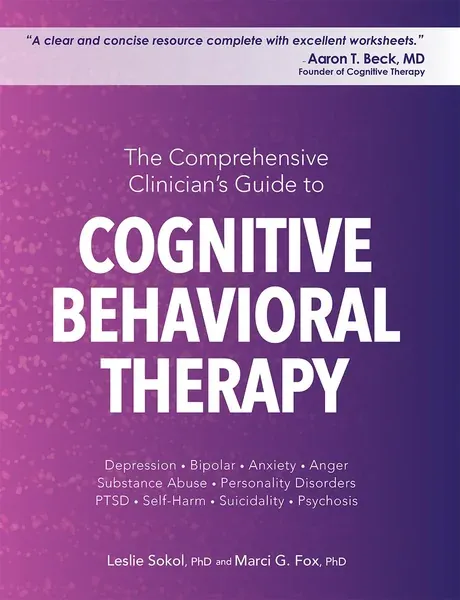
The Comprehensive Clinician's Guide to Cognitive Behavioral Therapy
The Clinician's Guide to CBT by Sokol and Fox Review: A Practical Workbook
The Comprehensive Clinician's Guide to Cognitive Behavioral Therapy is a workbook for clinicians applying Aaron T. Beck’s CBT framework. It translates theory into practice through integrated worksheets and accessible prose. Professionals seeking a direct reference will find it useful.
LuvemBooks Verdict
Best for
Readers who are clinicians or students seeking a structured, practitioner-focused workbook to translate established CBT theory into direct clinical application will find it useful as a direct reference.
Worth it if
Worth reading if you need a reliable, step-by-step manual with integrated worksheets for immediate classroom or office use.
Skip if
Skip it if you are looking for theoretical debates, psychoanalytic alternatives, or the latest updates on digital CBT tools.
What readers & critics say
Reviewers highlight the book’s practical utility for clinicians and students, noting it effectively translates theory into practice and serves as a comprehensive resource for authentic CBT training (allbookstores.com, Pesi).
Sources: allbookstores.com, pesi.comAsk LuvemBooks
Was this helpful?
- Is it worth reading?
- It delivers significant value for professionals and students who need a reliable, no-nonsense manual for implementing foundational behavioral techniques. The straightforward layout makes it an excellent supplementary resource for training environments.
- Similar books
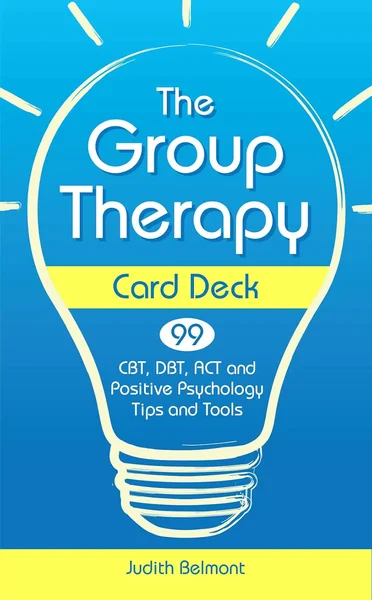
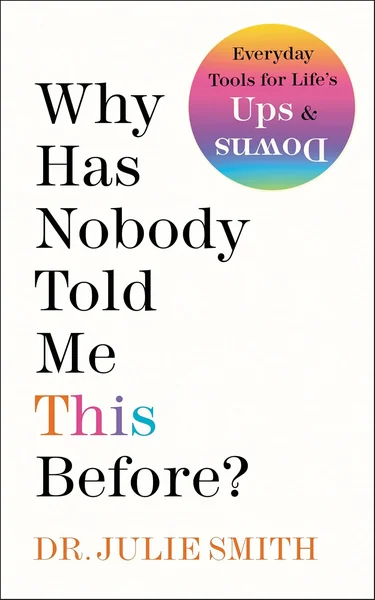
- Readers seeking related clinical resources might also look at Joseph Burgo's Why Do I Do That?, which explores the psychological roots of self-defeating behaviors. For those interested in interactive therapeutic tools, Judith Belmont's The Group Therapy Card Deck offers a collection of CBT, DBT, and ACT exercises. Additionally, Julie Smith's Why Has Nobody Told Me This Before? provides accessible psychotherapy techniques for everyday emotional challenges.
- Who should read this?
- The guide is written specifically for mental health professionals, students, trainers, supervisors, and teachers rather than lay readers. Its technical focus on Beck's original framework makes it best suited for those in academic or therapeutic training settings.
- How does it compare to Judith Beck's foundational text?
- Reviewers frequently note that this guide complements Judith Beck’s foundational text by focusing intensely on step-by-step application rather than broad theoretical debate. While Beck's work covers the expansive architecture of CBT, Sokol and Fox's volume prioritizes immediate, practical implementation of behavioral techniques in a clinical setting.
- What are the main limitations?
- The guide's primary limitation is its strict adherence to a single therapeutic modality, which may frustrate clinicians looking for integrative or eclectic approaches.
- Is the spiral-bound format useful?
- Yes, the spiral-bound design is specifically intended to allow the book to lay completely flat, facilitating easy reference during live sessions or classroom study. This physical feature directly supports its function as a hands-on workbook rather than a traditional text meant for sequential reading.
- What are the main themes?
- The core themes revolve around Aaron T. Beck’s original cognitive behavioral therapy model. The text emphasizes translating established psychological theory, utilizing structured worksheets and step-by-step behavioral techniques for immediate professional use.
Summarize this book
Follow up
Synthesized from verified book data & published reviews · How we review
What would you like to know about The Comprehensive Clinician's Guide to Cognitive Behavioral Therapy?
Answers come from our editorial notes on this book. If we haven't covered something, we'll say so.
Readers often ask
Our Review
We review the evidence: published reviews and reader verdicts, gathered and weighed with AI assistance and edited by LuvemBooks, rather than one reader's first-hand take.
Scope and Intended Audience
Structure and Practical Design
Critical Reception and Standing
Our Take: Is It Worth Reading?
Sources & Further Reading
The key facts and claims in this review are grounded in the retrieved, verified sources listed below.
- 1
- 2
- 3
- 4
Age & Reading Level
Our age band
Adult
Our age band groups books for browsing; it isn't an age a review gave.
Reader reviews
No LuvemBooks readers have answered yet.
Read it? Was it right for you?
Books like The Comprehensive Clinician's Guide to Cognitive Behavioral Therapy
Curated picks for readers who enjoyed The Comprehensive Clinician's Guide to Cognitive Behavioral Therapy, with our reasoning for each match.
If you liked The Comprehensive Clinician's Guide to Cognitive Behavioral Therapy