Skip to content
Reviewed

Read Time

6 min read

Our age bandAdult
Reader rating
4.2 · 5,430 Amazon ratings, as of Nov 2026
reader ratings, not a LuvemBooks score
Curated & edited by

LuvemBooks Editorial

How we create our reviews →
Share This Review
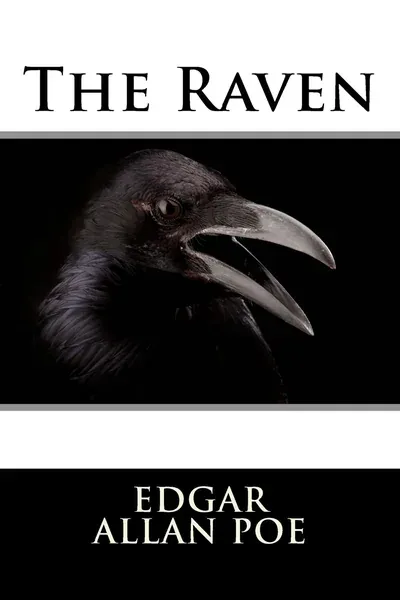
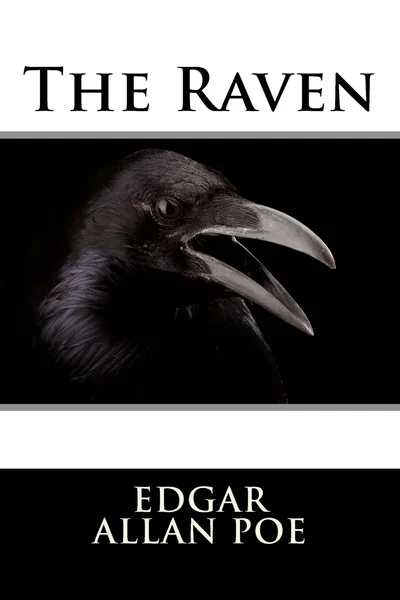
The Raven by Edgar Allan Poe front cover

Our review

The Raven

The Raven by Edgar Allan Poe Review: A Gothic Masterpiece of Rhythm

Edgar Allan Poe's "The Raven" follows a grieving student haunted by a talking raven that answers every question with Nevermore," driving him toward madness. Its masterful rhythm and gothic atmosphere make it a landmark of American poetry, though its relentless repetition may frustrate modern readers.

Our age band: Adultprofound grief · psychological descent into madness

LuvemBooks Verdict

Best for

Fans of gothic atmosphere and psychological horror will appreciate its masterful rhythm and landmark status in American poetry.

Worth it if

Worth reading if you appreciate highly stylized, archaic language and want to experience a foundational text.

Skip if

Skip it if you seek a traditional narrative with varied dialogue and a lighter, more accessible tone.

Where reviewers agree and split

Readers rate it 4.2 on Amazon. The reviews we read that discuss it in depth agree:

  • Positive

    Dana Gioia · Book blog: praises the poem's enduring fame and deep psychological resonance

  • Positive

    Bookmate · Book blog: users praise the poem as magnificent, great, and worth reading

Overall verdicts are our summary of each review we read, from its headline, rating and conclusion.

And "worth a read." Wikipedia and Poetry Foundation emphasize its lasting influence and technical mastery.

Sources: Dana Gioia, Bookmate, Wikipedia, Poetry Foundation
4.2from 5,430 Amazon ratings, as of Nov 2026— reader ratings, not a LuvemBooks score

Ask LuvemBooks

Was this helpful?

Edgar Allan Poe’s The Raven follows a grieving student haunted by a talking raven that answers every question with the word "Nevermore," pushing him toward madness. Its masterful use of trochaic octameter makes it a landmark of American poetry, though its relentless structure will test the patience of modern readers. Worth reading for fans of poetic craft, but skip it if you seek a traditional narrative and a lighter tone.
Is it worth reading?
Yes, if you appreciate archaic language and want to experience a foundational text. However, the unrelenting mood offers no respite, which can feel emotionally exhausting rather than cathartic for some.
Similar books
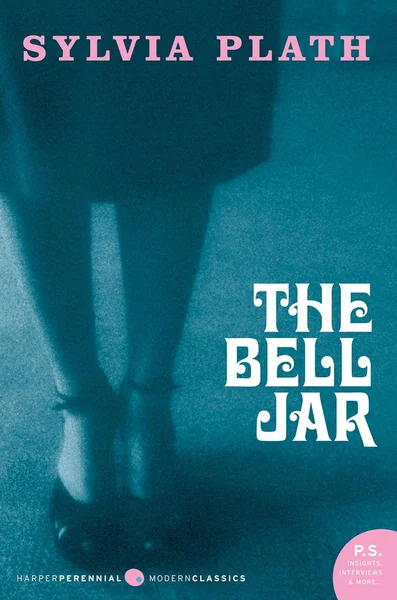
Readers drawn to Poe will appreciate Mary Shelley’s Frankenstein and Sylvia Plath’s The Bell Jar , both of which explore intense inner turmoil and dark themes. For those who enjoyed the mythological and classical references woven into Poe’s work, Edgar Allan Poe’s The Tell-Tale Heart and Jean-Paul Sartre’s Nausea also delve into psychological realism and existential dread.
Who should read this?
This poem is best suited for students of gothic literature and American poetry. It also appeals to readers who appreciate deliberate structure and want to study its composition. Casual readers looking for a quick or easily digestible narrative might find the sustained melancholy and rigid rhyme scheme fatiguing.
What age is it for?
Written for adults, the poem’s unrelenting mood and themes of profound grief make it most appropriate for mature readers. While frequently taught in high school literature classes, its sustained intensity is better suited for readers who can handle the heavy emotional weight.
What are the main themes?
The poem explores the destructive nature of obsessive grief and the struggle to reconcile rational thought with irrational despair. The raven’s repetitive "Nevermore" symbolizes the inescapable finality of death and the narrator's self-imposed torment. Additionally, the work examines the power of composition itself, using strict meter and mythological references to deepen its gothic resonance.
Summarize this book

Summarize this book

The poem follows an unnamed student narrator sitting by a dying fire on a bleak December night, trying to forget his deceased love, Lenore. A mysterious raven enters his chamber and perches on a bust of Pallas, answering every question with only "Nevermore." As the night progresses, the narrator shifts from curiosity to anguish, with each hopeful query met with the same unyielding response, mirroring his psychological descent into madness.

Follow up

Who is Lenore?
Why a bust of Pallas?

Synthesized from verified book data & published reviews · How we review

Ask LuvemBooks

What would you like to know about The Raven?

Answers come from our editorial notes on this book. If we haven't covered something, we'll say so.

Readers often ask

Our Review

We review the evidence: reader verdicts, gathered and weighed with AI assistance and edited by LuvemBooks, rather than one reader's first-hand take.
Edgar Allan Poe's "The Raven" remains a masterclass in gothic atmosphere and rhythmic precision, though its relentless single-word refrain will test the patience of modern readers.
The Raven by Edgar Allan Poe front cover

The Premise and Narrative Arc

The poem follows an unnamed student narrator who sits by a dying fire on a bleak December night. He reads through forgotten lore to forget the death of his beloved Lenore.
A mysterious tapping at his chamber door rouses him from his grief. Upon opening the window, a magnificent raven flutters inside and perches silently upon a bust of Pallas.
The narrator, initially amused by the bird's serious demeanor, asks the raven its name. The creature replies only with the word "Nevermore."
As the night progresses, the narrator shifts from curiosity to anguish. Each hopeful question is met with the same unyielding response, pushing the grieving student toward madness.

Literary Significance and Composition

First published in January 1845, the poem instantly established Edgar Allan Poe as a national celebrity. Wikipedia notes the poem is often noted for its musicality, stylized language and supernatural atmosphere.
Poe himself detailed his methodical approach to crafting the piece in his 1846 essay, "The Philosophy of Composition." He acknowledged drawing inspiration from a talking raven in Charles Dickens's 1841 novel Barnaby Rudge.
Furthermore, the complex rhythm and meter rely heavily on Elizabeth Barrett's poem "Lady Geraldine's Courtship." The poem makes extensive use of internal rhyme and alliteration to maintain a hypnotic cadence.
While critical opinion historically divided over its literary status, it undeniably secured Poe's fame during his lifetime.

Craft and Structural Strengths

The structural integrity of the poem relies on its deliberate repetition and strict metrical patterns. The narrator's psychological descent is charted through increasingly intense questioning, which the raven answers with identical finality.
This technique creates a claustrophobic atmosphere that mirrors the protagonist's trapped mental state. The poem also weaves together folk, mythological, religious, and classical references to deepen its gothic resonance.
The relentless pacing ensures that the reader experiences the narrator's mounting despair alongside the character himself.

Limitations and Reader Considerations

The poem's defining feature, the constant repetition of the word "Nevermore," functions as both its greatest strength and its primary limitation. Readers seeking varied dialogue or narrative progression may find the single-word refrain grating after the initial stanzas.
While the original poem was illustrated by notable artists like John Tenniel in later decades, this specific volume relies entirely on Poe's prose.
The highly stylized, archaic vocabulary may also present a barrier for contemporary audiences unfamiliar with nineteenth-century poetic conventions.

Is The Raven Worth Reading?

Weighing the historical acclaim against the repetitive structure, the poem remains essential for students of gothic literature and students of American poetry. Its technical mastery and atmospheric dread continue to influence dark fiction and horror genres.
However, the experience is undeniably intense and unrelenting. Casual readers looking for a quick or easily digestible narrative might find the sustained melancholy and rigid rhyme scheme fatiguing.
The work is best approached as a study in poetic craft and psychological horror rather than a traditional story. Readers who appreciate the deliberate construction of mood will find the poem a powerful, if heavy, experience.

Sources & Further Reading

The key facts and claims in this review are grounded in the retrieved, verified sources listed below.

  1. Cited in this review
  2. 1

    en.wikipedia.org

  3. Further reading
  4. 2
  5. 3
  6. 4
  7. 5
  8. 6
  9. 7
  10. 8
  11. 9

    danagioia.com

  12. 10

    bookmate.com

Age & Reading Level

Our age band

Adult

Amazon listing

Ages 11–17

Our age band groups books for browsing; it isn't an age a review gave.

Content to know about

profound grief
psychological descent into madness
supernatural dread

Best for: Adults — themes of profound grief, psychological deterioration, and supernatural dread.

Skip if you seek a traditional narrative with varied dialogue and a lighter, more accessible tone.

From our readers

Reader reviews

No LuvemBooks readers have answered yet.

Read it? Was it right for you?

Discussion

Reader comments