7 min read
Share This Review
Lesson Plans: The Other End of the Leash by BookRags Review: A Structured Study Guide for McConnell's Classic
BookRags' study guide for Patricia McConnell's The Other End of the Leash delivers approximately 35 pages of structured academic support — chapter summaries, character analysis, thematic breakdowns, and discussion topics — designed to help students and dedicated readers sharpen their engagement with McConnell's influential work on human-canine communication.
LuvemBooks Verdict
Best for
Students, educators, or book club facilitators who are actively reading or have already read Patricia McConnell's The Other End of the Leash and need an organized, section-by-section reference to support comprehension, analysis, and group discussion.
Worth it if
You are using McConnell's original book in a course or structured study setting and want a ready-made scaffold — chapter summaries, thematic analysis, and discussion prompts — without having to build one yourself.
Skip if
You haven't yet read McConnell's original, are a casual dog lover seeking the full warmth and scientific depth of her writing, or prefer print-based study materials, as this guide is Kindle-only and at roughly 35 pages cannot substitute for the primary text.
What readers & critics say
Reception retrieved for this BookRags study guide specifically is limited, though antistudy.com notes that BookRags "boasts the largest collection of book summaries" and is "the best option for titles you can't find elsewhere," covering basics such as chapter summaries, characters, and literary criticism alongside recurring topics. The underlying source work — McConnell's The Other End of the Leash — draws strong praise across multiple sites: dogwise.com calls it "a revolutionary, new perspective" on human-dog relationships and highlights McConnell's insight into how humans and dogs communicate and miscommunicate, while doghikes.uk and patriciamcconnell.com both emphasize that the book has been translated into 13 languages and is considered essential reading for anyone serious about dog training and behavior.
Sources: antistudy.com, dogwise.com, doghikes.uk, patriciamcconnell.comAsk LuvemBooks
Was this helpful?
- Is it worth reading?
- The BookRags guide delivers genuine practical value for the specific reader it is built for: someone already engaged with McConnell's The Other End of the Leash who wants an organized reference for study or discussion. Its clearly delineated sections and ready-made Topics for Discussion make it a time-saver for educators building a syllabus and book club facilitators who need structured conversation prompts. However, readers who have not yet encountered McConnell's original would be better served by starting there — this guide condenses and categorizes but cannot replicate the scientific detail, extended personal anecdotes, or the warmth that characterizes McConnell's full text.
- Similar books
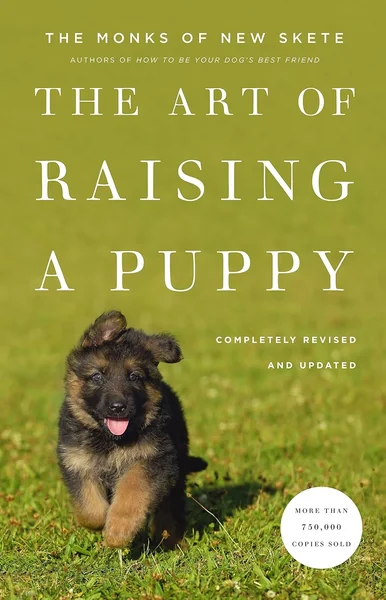
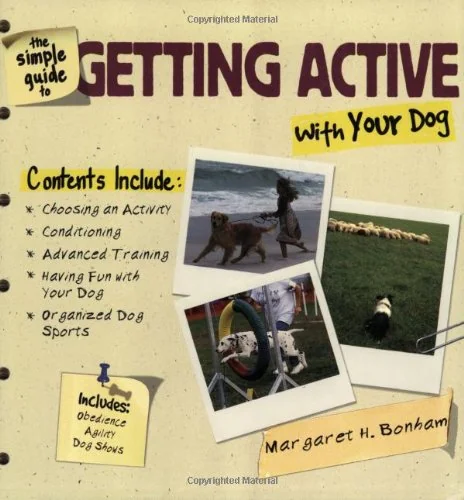
- Readers drawn to this guide will most likely want Patricia McConnell's own The Other End of the Leash — the primary text this guide is built around — which is available in the LuvemBooks catalogue. For those interested in broader canine training and behavior, Zak George's Dog Training Revolution: The Complete Guide to Raising the Perfect Pet by Zak George and Dina Roth Port offers an accessible, modern approach, while The Art of Raising a Puppy by the Monks of New Skete provides a classic, deeply considered perspective on early dog development. The Simple Guide to Getting Active With Your Dog by Margaret H. Bonham rounds out the practical side of human-canine engagement.
- Who should read this?
- The ideal reader is a student or structured reader who has already encountered — or is actively reading — McConnell's The Other End of the Leash and wants an organized reference to support comprehension and analysis. Educators building a syllabus around the book, particularly for courses covering animal behavior or human-animal studies, will find the structured sections and Topics for Discussion especially practical. Book club facilitators looking for ready-made discussion prompts are also well served. Casual dog lovers seeking the full reading experience should go directly to McConnell's original text instead.
- What are the main themes?
- The BookRags guide covers the thematic terrain of McConnell's original text, which centers on the biological and communicative divide between humans (primates) and dogs (canids). Key themes explored include why the 'dominance' framework for dog training is misguided, how even small changes in voice and posture affect canine responses, the variation of personality within breeds, and how distinctly primate behaviors — such as hugging — can be misread by dogs as assertive rather than affectionate. The guide's Themes and Style sections add a layer of rhetorical analysis, examining how McConnell constructs and presents her arguments beyond simply recapping content.
- What format is it available in?
- The BookRags guide is available exclusively as a Kindle edition, with enabled typesetting and Page Flip features that support digital study workflows. At approximately 35 pages, it is a concise reference tool rather than an extended read. Readers who rely on print study materials will find the Kindle-only format a meaningful limitation, as no print version is currently available.
- Who is Patricia McConnell?
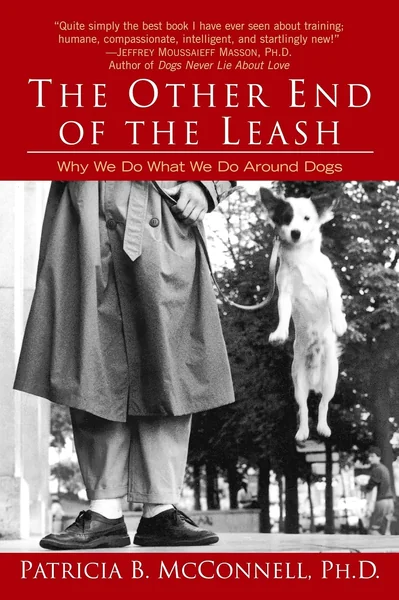
- Patricia McConnell is an applied animal behaviorist and dog trainer whose original text, The Other End of the Leash, was first published in 2003 and has since been translated into 13 languages — a reach that speaks to its influence in the field of human-canine communication. At the time of writing, McConnell brought more than twenty years of professional experience to the work. The BookRags guide is built entirely around her research and arguments, so understanding her background helps contextualize the guide's subject matter.
Summarize this book
Follow up
Synthesized from verified book data & published reviews · How we review
Press Enter to ask. Answers come from our editorial Q&A — start typing to see related questions.
Age & Reading Level
Recommended age
Adult
Reading level
Adult
who it suits
Skip if you're looking for McConnell's original scientific explanations, personal anecdotes, or the full reading experience her work is known for.
Our Review
What This Guide Actually Is
The Source Material It Covers
Scope and Structure of the Guide
Limitations Worth Knowing
Who This Guide Is For
Sources & Further Reading
The key facts and claims in this review are grounded in the retrieved, verified sources listed below.
- Cited in this review
- 1
- Further reading
- 2
- 3
patriciamcconnell.com
- 4
- 5
Books like Lesson Plans The Other End of the Leash
Curated picks for readers who enjoyed Lesson Plans The Other End of the Leash, with our reasoning for each match.
If you liked Lesson Plans The Other End of the Leash