8 min read
4.1
· 1,087 Amazon ratingsShare This Review

Our review
Cat Sense
Cat Sense by John Bradshaw Review: Science-Backed Insight Into the Feline Mind
In Cat Sense, anthrozoologist John Bradshaw draws on cutting-edge research and more than two decades of studying cats to trace the domestic cat's evolution from lone predator to household companion — and to explain why that transition is still, in many meaningful ways, incomplete. Published by Basic Books, the book has earned praise from the New York Times, NPR, and Booklist, among others, cementing its place as a serious, science-grounded reference for anyone who shares a home with a cat.
LuvemBooks Verdict
Best for
Cat owners and prospective owners who want a rigorous, science-grounded explanation of why cats behave the way they do — rooted in evolutionary biology rather than myth or anecdote.
Worth it if
You want to understand the deep evolutionary and biological reasons behind feline independence, predatory instinct, and social wariness, and you value popular science that honestly acknowledges the limits of what researchers currently know.
Skip if
You're looking for a practical training manual or step-by-step veterinary guide — Cat Sense is primarily explanatory in orientation, and its final chapter on steering cat evolution raises ethical questions it opens without fully resolving.
What readers & critics say
The Guardian called the book "thoughtful, useful and utterly absorbing," praising Bradshaw's granular empirical methods and the way it gives readers a better understanding of how cats perceive the world. Kirkus Reviews described it as "a useful guide to help cat lovers better understand their elusive pets," while ResearchGate's academic notice characterised it as "a comprehensive, accessible and beautifully written book" that explores cats through history, biology, psychology, and behavioural science.
“Thoughtful, useful and utterly absorbing — plenty here to attest to the animals' independence of mind.”
— The Guardian“A useful guide to help cat lovers better understand their elusive pets.”
— Kirkus ReviewsAsk LuvemBooks
Was this helpful?
- Is it worth reading?
- For cat owners and animal-behavior readers who want more than popular myth or owner-memoir anecdote, Cat Sense is widely considered the most rigorously sourced popular account of feline behavior available. It earned a starred review from Booklist ("a bible for cat owners"), a Book of the Year designation from NPR, and enthusiastic notices from the New York Times, The Guardian ("thoughtful, useful and utterly absorbing"), and People, reflecting an unusually broad critical consensus. The one caveat: the final chapter raises ethical questions about steering cat evolution that the book opens without fully resolving, and readers seeking a practical training guide will find the book's orientation primarily explanatory rather than instructional.
- Similar books
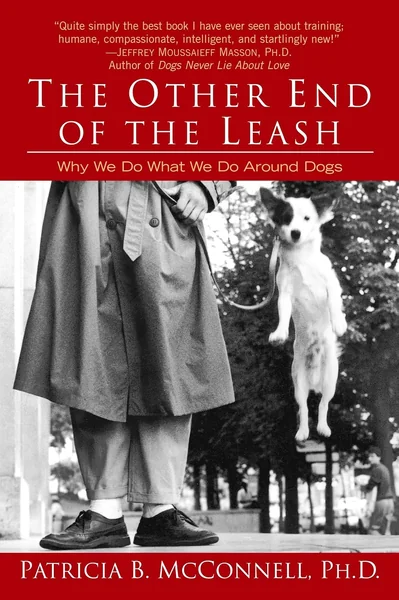
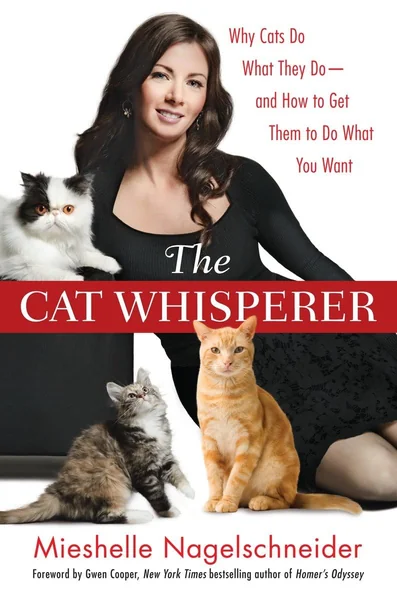
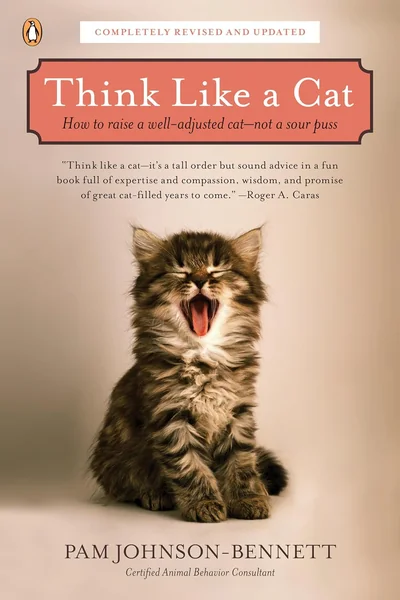
- Readers who enjoy Cat Sense often turn to other science-grounded animal-behavior titles. John Bradshaw's own Dog Sense applies his anthrozoological approach to canines. For cat-specific practical guidance rooted in behavioral understanding, Mieshelle Nagelschneider's The Cat Whisperer and Jackson Galaxy's Total Cat Mojo are strong companions, while Pam Johnson-Bennett's Think Like a Cat covers similar territory. Arden Moore's The Cat Behavior Answer Book offers a problem-solution format for owners dealing with specific issues. For readers drawn to the human-animal dynamic more broadly, Patricia B. McConnell's The Other End of the Leash applies rigorous behavioral science to the dog-owner relationship in a way that parallels Bradshaw's approach with cats.
- Who should read this?
- Cat Sense is designed for cat owners, prospective owners, and anyone curious about animal behavior who wants more than popular myth or anecdote. Its evolutionary and scientific framework makes it particularly rewarding for readers who enjoy rigorous popular science in the tradition of animal-behavior writing, though its accessible chapter structure keeps it open to general readers with no science background. Those specifically seeking veterinary guidance or step-by-step training advice will find the book more explanatory than instructional.
- About John Bradshaw
- John Elliot Bradshaw was an American educator, counselor, motivational speaker, and author who hosted a number of PBS television programs on topics such as addiction, recovery, codependency, and spirituality.
- What does the book reveal about cat senses?
- Cat Sense devotes significant attention to feline sensory biology, covering cats' extraordinary hearing range, their whisker-based short-range radar during hunting, their superior low-light vision, and an additional olfactory organ that enhances an already acute sense of smell. The Guardian highlighted these sections as giving readers "a better understanding of the way cats perceive the world." Bradshaw also discusses the limits of standard animal-intelligence tests, arguing that their frequent failure with cats says more about human-designed experimental paradigms than about feline brainpower.
- How does cat domestication differ from dogs?
- One of Cat Sense's central arguments is that domestic cats remain fundamentally closer to their wild ancestors than dogs are to theirs, despite roughly 8,000 years of cohabitation with humans. Bradshaw attributes this gap to the different evolutionary pressures each species faced: dogs were actively selected for traits that made them cooperative human partners, while cats largely domesticated on their own terms, retaining predatory instincts, a preference for solitude, and wariness toward other cats. This evolutionary divergence, Bradshaw argues, is the key to understanding why cats behave as they do — and why human expectations shaped by experience with dogs often misfire.
Summarize this book
Follow up
Synthesized from verified book data & published reviews · How we review
Press Enter to ask. Answers come from our editorial Q&A — start typing to see related questions.
Our Review
What the Book Actually Is and Argues
Scientific Grounding and Breadth of Research
Critical Reception and Cultural Standing
Genuine Limitations and Points of Contention
Who This Book Is For
Sources & Further Reading
The key facts and claims in this review are grounded in the retrieved, verified sources listed below.
- Cited in this review
- 1
- 2
hachettebookgroup.com
- Further reading
- 3
John Bradshaw, Wikipedia
- 4
- 5
- 6
- 7
Age & Reading Level
Recommended age
Adult
Reading level
Adult
who it suits
Skip if you want a practical, step-by-step guide to training or managing your cat's behavior rather than a science-based explanation of why cats behave as they do.
Reader reviews
Be one of the first readers to answer.
Read it? Was it right for you?
Books like Cat Sense
Curated picks for readers who enjoyed Cat Sense, with our reasoning for each match.
If you liked Cat Sense