BOOKS
Published
Read Time
6 min read
Our Rating
4
Reviewed by
LuvemBooks
Share This Review
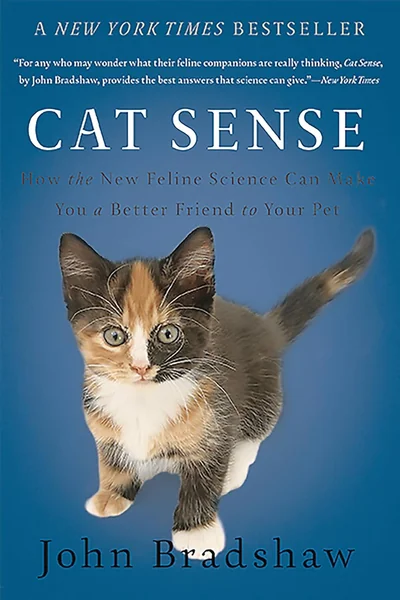
Cat Sense by John Bradshaw Review: What Cats Really Want
Our Rating
4
A rigorously researched and intellectually honest look at cat behavior, evolution, and the science of domestication. Essential reading for curious cat owners, though its measured tone and occasional repetitiveness keep it just short of essential.
In This Review
- What Works & What Doesn't
- The Science Underneath the Purring
- How Bradshaw Explains the Feline Mind
- Where the Argument Gets Uncomfortable
- Bradshaw's Approach as a Science Communicator
- The Bottom Line on Cat Sense
- Where to Buy
What Works & What Doesn't
What Works
- Grounded in genuine scientific research, not anecdote or sentimentality
- Evolutionary framing gives practical advice real intellectual depth
- Honest treatment of cats as predators and the resulting ethical tensions
- Clear, precise prose accessible to general readers with patience
What Doesn't
- Pacing slows in the middle sections; some arguments feel repetitive
- Less narrative warmth than comparable popular science books
- Broader philosophical questions about domestication ethics are raised but not fully developed
The Science Underneath the Purring

A rigorous, rewarding work of popular science that will likely change how you think about the animal sharing your home. Bradshaw draws on ethology, evolutionary biology, and behavioral research to build his case. The book traces the domestic cat's origins from the African wildcat (Felis silvestris lybica), examining how and why cats first became associated with human settlements. The answer centers on agriculture, rodent populations, and a gradual mutual tolerance rather than any deliberate breeding program. This distinction matters. Dogs were shaped by humans; cats, Bradshaw argues, largely shaped themselves into a niche humans had accidentally created.
This evolutionary framing runs throughout the book and gives it genuine intellectual weight. Rather than offering a list of pet care tips dressed up as science, Bradshaw builds toward his practical conclusions from first principles. The approach is methodical — at times almost academic — but the writing remains accessible enough for general readers. Expect paragraphs that reward careful reading rather than skimming.
How Bradshaw Explains the Feline Mind
One of the book's most useful contributions is its treatment of cat cognition and social behavior. Bradshaw challenges the popular notion that cats are simply aloof or antisocial by nature. Instead, he describes the conditions under which cats form genuine social bonds — with humans and, under the right circumstances, with other cats. The key variable, he argues, is early socialization during a narrow developmental window in kittenhood.
This has real implications for anyone raising a kitten or adopting a rescue cat. Bradshaw is careful to distinguish between what cats can learn and what they are biologically predisposed toward. The main weakness of this section is that it can feel repetitive — the same core points about socialization windows appear in slightly different forms across multiple discussions. Readers looking for a tighter argument may find themselves wishing for tougher editorial cuts.
His treatment of cat-on-cat relationships is particularly illuminating. Multi-cat households, he suggests, are frequently sources of low-grade chronic stress that owners fail to recognize because cats mask their distress well. This is the kind of practical insight that justifies the book's subtitle, and it's delivered with enough scientific backing to feel credible rather than speculative.
Where the Argument Gets Uncomfortable
The most intellectually challenging section of the book deals with cats as predators and their ecological impact. Bradshaw does not shy away from the evidence that free-roaming domestic cats kill significant numbers of birds and small mammals. He engages honestly with the conservation literature and acknowledges the tension between advocating for cat welfare and acknowledging environmental harm.
His proposed solutions — primarily around responsible breeding practices and shifting toward keeping cats indoors or in enclosed outdoor spaces — are sensible but will frustrate readers looking for easy answers. Bradshaw is not an ideologue. He presents the evidence, draws measured conclusions, and leaves the harder policy questions largely open. Some readers will find this intellectually honest; others may wish he had pushed further.
This section also raises broader questions about domestication ethics that the book touches on but doesn't fully explore. There's a stronger philosophical argument lurking beneath the scientific one, and Bradshaw gestures toward it without fully committing. That restraint feels like a missed opportunity.
Bradshaw's Approach as a Science Communicator
Bradshaw writes with authority and care, but Cat Sense is not a breezy read. The prose is clear and precise — closer in tone to quality popular science journalism than to the warmer, anecdote-driven style of many pet books. Readers who came expecting heartwarming cat stories will need to recalibrate their expectations. This is a book of ideas, grounded in research, that happens to be about cats.
Comparable books in the popular animal science space — like Alexandra Horowitz's Inside of a Dog or Frans de Waal's work on animal cognition — tend to balance scientific rigor with narrative warmth more fluidly. Bradshaw's voice is more measured, which suits the material but occasionally creates a sense of distance. Ideal for readers who approach their pets with genuine curiosity and want their intuitions tested rather than simply confirmed.
The book's structure moves logically from evolutionary history through cognition, social behavior, predation, and finally toward implications for the future of cat ownership and breeding. It builds a coherent argument rather than a collection of independent chapters, which rewards reading in sequence rather than dipping in and out.
The Bottom Line on Cat Sense
Cat Sense is a genuinely valuable contribution to popular animal science. It is rigorously grounded, intellectually honest, and offers real insight into why cats behave the way they do. Yes — provided you want understanding rather than reassurance. Bradshaw will likely change how you think about your cat's behavior, your multi-pet household, and the ethics of letting cats roam outdoors.
It is not, however, a perfect book. The pacing drags in places, the editorial hand could have been firmer, and some readers will wish Bradshaw had pushed his broader arguments further. But these are the flaws of an ambitious, seriously intended work — not of a lazy one. For anyone genuinely interested in feline behavior explained by someone with deep expertise, this belongs on the shelf.
Where to Buy
If you want to understand your cat rather than simply enjoy it, Cat Sense earns its place on the shelf — the Amazon link in the sidebar has the current price.
Frequently Asked Questions
Is Cat Sense worth reading for cat owners?
Yes, according to the reviewer, but with an important caveat: it rewards readers who want genuine understanding rather than reassurance. Bradshaw will likely change how you think about your cat's behavior, multi-pet households, and the ethics of letting cats roam outdoors.
Who is the ideal audience for Cat Sense?
The reviewer describes the ideal reader as someone who approaches their pet with genuine curiosity and wants their intuitions tested rather than simply confirmed. Readers expecting heartwarming cat stories or a breezy read will need to recalibrate their expectations.
Is Cat Sense good value at its price?
At $12.34 the reviewer considers it a genuinely valuable contribution to popular animal science, describing it as rigorously grounded and intellectually honest. Despite some pacing and editorial flaws, the reviewer concludes it belongs on the shelf for anyone seriously interested in feline science.
What is the central argument of Cat Sense?
Bradshaw argues that domestic cats largely shaped themselves into a niche humans accidentally created, rather than being deliberately bred like dogs. He builds this case from evolutionary biology and ethology, tracing the domestic cat's origins from the African wildcat Felis silvestris lybica through its association with agricultural settlements and rodent populations.
How does Bradshaw structure the book's argument?
The book moves logically from evolutionary history through cognition, social behavior, predation, and finally toward implications for the future of cat ownership and breeding. The reviewer notes it builds a coherent argument rather than a collection of independent chapters, which rewards reading in sequence rather than dipping in and out.
Does Cat Sense repeat itself?
The reviewer identifies repetition as the main weakness in the section on cat cognition and social behavior, noting that the same core points about socialization windows appear in slightly different forms across multiple discussions. Readers looking for a tighter argument may find themselves wishing for tougher editorial cuts.
What does Bradshaw say about cat socialization?
Bradshaw challenges the popular notion that cats are simply aloof or antisocial by nature, describing instead the conditions under which cats form genuine social bonds with humans and other cats. He argues that the key variable is early socialization during a narrow developmental window in kittenhood, carefully distinguishing between what cats can learn and what they are biologically predisposed toward.
What does the book say about multi-cat households?
Bradshaw suggests that multi-cat households are frequently sources of low-grade chronic stress that owners fail to recognize because cats mask their distress well. The reviewer considers this one of the book's most practically useful insights, delivered with enough scientific backing to feel credible rather than speculative.
How does Cat Sense handle the topic of cats killing wildlife?
The reviewer praises Bradshaw for not shying away from evidence that free-roaming domestic cats kill significant numbers of birds and small mammals, engaging honestly with the conservation literature. He acknowledges the tension between advocating for cat welfare and acknowledging environmental harm, though some readers may wish he had pushed his conclusions further.
What solutions does Bradshaw propose for the predation problem?
His proposed solutions center primarily on responsible breeding practices and shifting toward keeping cats indoors or in enclosed outdoor spaces. The reviewer describes these as sensible but notes they will frustrate readers looking for easy answers, adding that Bradshaw leaves the harder policy questions largely open.
Does Cat Sense explore the ethics of cat domestication?
The reviewer notes that the book touches on broader questions about domestication ethics but does not fully explore them, describing a stronger philosophical argument lurking beneath the scientific one that Bradshaw gestures toward without fully committing. This restraint is characterized as a missed opportunity.
What is Bradshaw's writing style like in Cat Sense?
The prose is described as clear and precise, closer in tone to quality popular science journalism than to the warmer, anecdote-driven style of many pet books. The reviewer notes it is not a breezy read, with paragraphs that reward careful reading rather than skimming, and that Bradshaw's measured voice occasionally creates a sense of distance.
How does Cat Sense compare to Inside of a Dog by Alexandra Horowitz?
The reviewer compares Cat Sense unfavorably in terms of narrative warmth, noting that comparable books like Horowitz's Inside of a Dog and Frans de Waal's work on animal cognition tend to balance scientific rigor with narrative warmth more fluidly. Bradshaw's voice is described as more measured, which suits the material but can feel cooler to readers.
Is Cat Sense accessible to general readers?
The reviewer says the writing remains accessible enough for general readers despite an approach that is methodical and at times almost academic. However, readers should expect a book of ideas grounded in research rather than an approachable pet guide, and the prose rewards careful reading rather than casual skimming.
What are the main weaknesses of Cat Sense?
The reviewer identifies three main flaws: pacing that drags in places, an editorial hand that could have been firmer, and a tendency for Bradshaw to stop short of pushing his broader arguments as far as they could go. These are described as the flaws of an ambitious, seriously intended work rather than a lazy one.
What practical takeaways does Cat Sense offer cat owners?
The book offers insight into the importance of early kittenhood socialization for raising well-adjusted cats, the hidden stress dynamics in multi-cat households, and the ethical and ecological implications of allowing cats to roam outdoors. The reviewer notes these practical conclusions grow from first principles rather than being offered as standalone tips.
Does Cat Sense explain why cats behave the way they do?
Yes, the reviewer says the book offers real insight into why cats behave the way they do by grounding behavioral observations in evolutionary biology and ethology. Rather than offering pet care tips dressed up as science, Bradshaw builds toward practical conclusions from first principles.
Is Cat Sense better read cover to cover or dipped into?
The reviewer recommends reading it in sequence, noting that the book builds a coherent argument across its chapters rather than functioning as a collection of independent topics. The structure moves logically from evolutionary history through cognition, social behavior, predation, and implications for the future of cat ownership.
What rating did the reviewer give Cat Sense?
The reviewer awarded Cat Sense a rating of 4.0 out of 5, reflecting their view that it is a genuinely valuable and rigorous work despite identifiable flaws in pacing, editorial tightness, and the depth of its philosophical exploration.
BEST DEAL
Related Reviews
Reviews of books we picked for readers who enjoyed Cat Sense.


Reader Comments
No comments yet
Be the first to share your thoughts!