8 min read
4.7
· 49 Amazon ratingsShare This Review
Wherever the Road Leads by K. Lang-Slattery Review: A Vivid Van-Life Memoir of Another Era
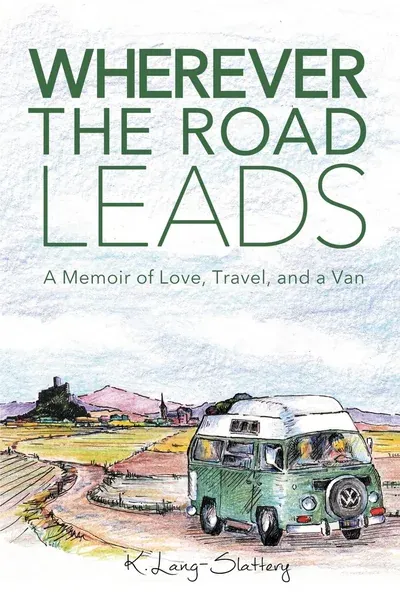
K. Lang-Slattery's Wherever the Road Leads chronicles the two-year, 39,000-mile journey she and her then-husband Tom undertook in a Volkswagen microbus across four continents between 1971 and 1973 — a genuine adventure in marriage, endurance, and discovery, brought to life with personal photographs, maps, and the author's own illustrative drawings.
 Tap to enlarge
LuvemBooks Verdict
Best for
Readers drawn to immersive, relationship-driven travel memoir who are curious about the logistical and emotional realities of long-distance van travel in a pre-internet, pre-GPS world.
Worth it if
You're captivated by the idea of a young couple navigating 39,000 miles across four continents in a VW microbus — and want a memoir anchored in real primary documents (letters home, expense notebooks) rather than romanticised recollection.
Skip if
You prefer tightly focused, single-destination travel writing or a memoir with a narrower psychological lens — the two-year, four-continent scope plus a Manhattan prologue demands sustained investment that may feel diffuse rather than intimate.
What readers & critics say
Kirkus Reviews notes that Lang-Slattery handles even difficult personal episodes with a "remarkable lack of anger," touching on the most appalling passages "lightly — though not so lightly you don't feel" their weight, pointing to genuine tonal control. Story Circle praises the narrative's documentary precision, crediting the author's use of letters and notebooks as the source of a "meticulous recall for details" that transports the reader to each location visited, while BookLife observes that the prose is "strongest when she's most specific," with passages of misadventure written with "engrossing clarity, touched with wisdom and good humor," though it notes the book's consistently cheery tone offers little suspense even in perilous moments.
“She displays a remarkable lack of anger, touching on the most appalling passages lightly — though not so lightly you don't feel the torment.”
— Kirkus ReviewsAsk LuvemBooks
Was this helpful?
- Is it worth reading?
- For readers drawn to immersive travel narrative, van-life culture with historical roots, or memoir shaped by marriage and partnership under pressure, Wherever the Road Leads delivers substantial rewards. A Story Circle reviewer called it 'the most interesting travel memoir I've ever read,' and critical coverage consistently praises Lang-Slattery's tonal control — she handles difficult personal episodes with candor without over-dramatizing them. The memoir's documentary foundation (actual letters and expense notebooks) gives it a precision that sets it apart from more impressionistic travel writing. The main caveat: the book's two-year, four-continent scope demands sustained reader investment, and those seeking a tightly focused single-destination account may find the breadth occasionally diffuses the intimacy.
- Similar books
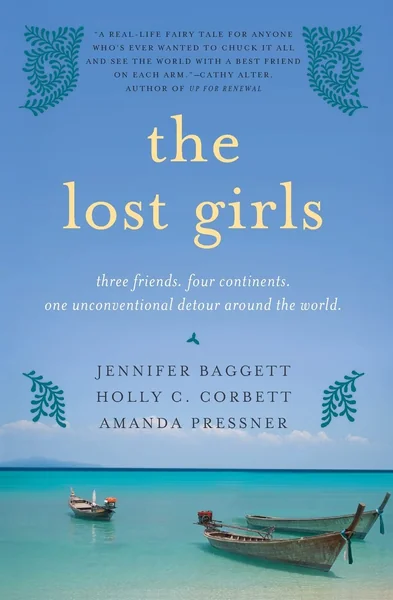
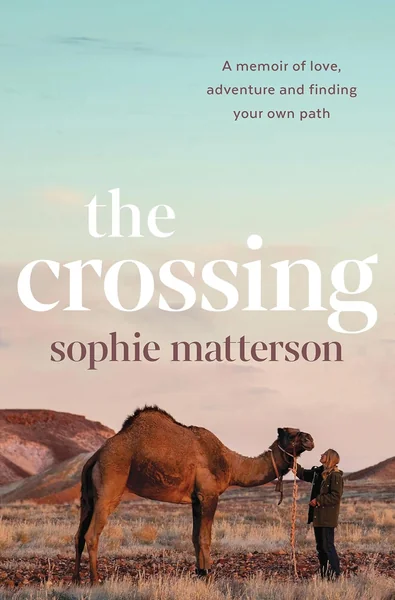
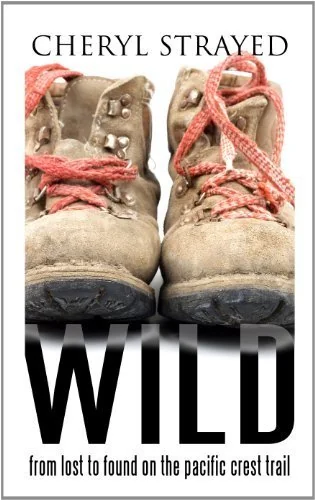
- Readers who respond to Wherever the Road Leads' blend of ambitious overland travel, personal relationship, and memoir written from a woman's perspective will find strong companions in the curated titles below. Far and Wild: A Travel Memoir by Fabiana Capuano and Brant Huddleston shares the multi-continent overland spirit, while The Crossing: A Memoir of Love, Adventure and Finding Your Own Path by Sophie Matterson similarly centers a physical journey as a vehicle for self-discovery. The Lost Girls: Three Friends. Four Continents. One Unconventional Detour Around by Jennifer Baggett echoes the four-continent scope, and Without Reservations: The Travels of an Independent Woman by Alice Steinbach offers another reflective, literary take on solo female travel. For readers drawn to the raw endurance dimension, Cheryl Strayed's Wild: From Lost to Found on the Pacific Crest remains the genre benchmark for memoir structured around a physically demanding journey.
- Who should read this?
- Wherever the Road Leads is best suited to adult readers with an appetite for immersive, expansive travel narrative and an interest in memoir shaped by marriage and partnership under sustained pressure. Fans of van-life culture who want to trace its historical roots will find the 1971–1973 context genuinely illuminating, and readers with an interest in early-1970s counterculture — including the go-go scene and the pre-technology world of overland travel — will have additional layers to engage with. The Barnes & Noble product listing describes it as satisfying 'any reader's wanderlust,' and LuvemBooks concurs that the geographic sweep — from Panama to India — gives the book near-universal appeal within the travel memoir genre. Those who prefer tightly focused, single-destination accounts or psychologically intimate memoirs with a narrow lens may find the breadth of scope a challenge.
- Why does the 1971–1973 setting matter?
- The journey took place in a pre-internet, pre-cell-phone world with no GPS, digital banking, or instant communication — making a 39,000-mile overland trip across Central America, Africa, the Middle East, and Asia a logistical feat almost unimaginable to contemporary travelers. A Story Circle reviewer described the memoir as 'a window of history, during a pivotal decade, pertaining to travel without the convenience of modern technology,' framing it as a period document as much as a personal narrative. This context gives the book relevance beyond individual story: it records a particular mode of travel that no longer exists in the same form. Readers unfamiliar with the era may need to consciously bracket modern assumptions to fully appreciate the scale of the challenge Lang-Slattery and Tom Slattery faced.
- Does the book have difficult content?
- The Manhattan prologue sections include references to encounters with hardworking dancers, drag queens, and pimps, and a first love with a drug-addled hustler. Kirkus Reviews notes that Lang-Slattery 'displays a remarkable lack of anger' when addressing these episodes and 'touches on the most appalling passages lightly — though not so lightly you don't feel' their weight, suggesting the material is present but handled with restraint. The travel narrative itself involves the couple navigating remote and sometimes hazardous terrain. The book is intended for an adult readership.
- How is the book's research unusual?
- Unlike many memoirs that rely solely on the author's memory, Wherever the Road Leads is anchored in two sets of primary sources: letters Lang-Slattery wrote to relatives during the 1971–1973 journey, and the expense notebooks Tom Slattery kept with meticulous detail throughout. A Story Circle reviewer credited this dual foundation as the source of the memoir's 'meticulous recall for details,' noting it takes readers to 'each and every place they went' with documentary precision. The book further supplements the prose with Thomas Slattery's photographs, hand-drawn maps, and Lang-Slattery's own illustrative drawings — all treated as primary records rather than decoration. This approach gives the narrative a specificity that distinguishes it from more impressionistic travel writing.
Summarize this book
Follow up
Synthesized from verified book data & published reviews · How we review
Press Enter to ask. Answers come from our editorial Q&A — start typing to see related questions.
Age & Reading Level
Recommended age
Adult
Reading level
Adult
Content to know about
Best for: Adults — the Manhattan prologue includes references to drug use, sex work, and the go-go scene, and the two-year overland narrative assumes a mature adult readership.
Skip if you're looking for a tightly focused, single-destination travel memoir with an intimate psychological lens.
Our Review
What the Book Actually Is
The Journey at Its Core
Strengths: Research, Voice, and Visual Record
Historical and Cultural Significance
Audience and Genuine Limitations
Sources & Further Reading
The key facts and claims in this review are grounded in the retrieved, verified sources listed below.
- Cited in this review
- 1
- 2
storycircle.org
- Further reading
- 3
kirkusreviews.com
- 4
klangslattery.com
- 5
Books like Wherever the Road Leads
Curated picks for readers who enjoyed Wherever the Road Leads, with our reasoning for each match.
If you liked Wherever the Road Leads