Share This Review


Bob Woodward’s Secrets operates as a tactical dissection of journalistic methodology rather than a traditional autobiography. Readers seeking a polished literary memoir will find the text uneven, while those invested in political history will find it an invaluable archive.
LuvemBooks Verdict
Best for
Readers invested in journalistic methodology will find an invaluable archive of Woodward's reporting coups.
Worth it if
Worth reading if you want a tactical manual on how to extract information from powerful figures and uncover the operational history of the White House and intelligence agencies.
Skip if
Skip it if you expect a polished literary memoir or genuine emotional vulnerability, as the prose is criticized as flat and the self-portraiture notably restrained.
Where reviewers agree and split
- Positive
Slate · Press review: praises the memoir as remarkable and deeply personal
- Mixed
The Boston Globe · Press review: engrossing but lacks literary elegance and deep self-revelation
- Mixed
Business Standard · Book blog: Examines Woodward's reporting drive and overlooked blind spots (from its headline)
What readers & critics say
Slate praises the memoir as a remarkable, sometimes stunning deep dive into Woodward's psyche, while The Boston Globe and The Atlantic note that its engrossing reporting is undermined by a lack of literary elegance. Bookmarks.reviews condemns the ethical breaches and flat prose.
“Catnip for newshounds and gossipmongers!”
— Slate“No one comes to Woodward’s books for stylish prose or self-revelation.”
— The Boston Globe“reveals his methods—but little of himself.”
— The AtlanticAsk LuvemBooks
Was this helpful?
- Is it worth reading?
- The book delivers an indispensable guide on extracting information from the highest levels of government, making it highly valuable for readers interested in the history of the White House and intelligence agencies. Critical reception remains divided, with Slate praising the memoir as a remarkable and deeply personal work, while The Boston Globe notes it engrossing yet lacking literary polish and personal reflection. Readers who prioritize ethical transparency in memoirs may find the sourcing justifications frustrating, but those focused on government operations will appreciate the raw access.
- Similar books
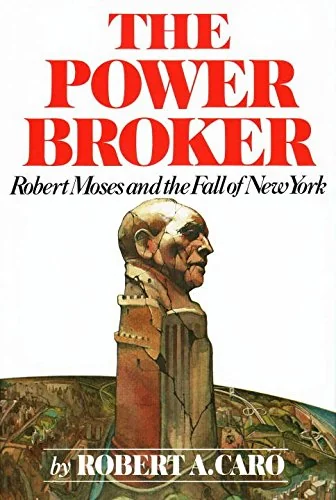
- Readers interested in Woodward’s reporting methods and government operations might also explore works that examine power centers and investigative journalism. The Power Broker by Robert Caro offers a similarly exhaustive look at a single figure's influence over massive institutions, while The Report by Bob Woodward and The Looming Tower by Lawrence Wright provide focused deep dives into modern intelligence operations. For those wanting to see his earlier, more stylistically noir approach to political exposés, his collaboration with Carl Bernstein remains a foundational text in the genre.
- Who should read this?
- This memoir is best suited for readers focused on government operations and the operational mechanics of the White House across the Nixon through Trump administrations. It appeals to those who want a guide on uncovering the inner workings of state organizations. Readers seeking genuine emotional openness or traditional personal disclosure will likely find the restrained character depiction notably disappointing.
- What ethical concerns are raised?
- The memoir faces scrutiny for violating confidential source agreements, with critics noting that Woodward discloses identities of former figures including five Supreme Court justices, citing their deaths or permission as justification. While these reports are valuable for newshounds, The Boston Globe emphasizes that the ethical trade-offs overshadow the writing quality for some readers. Readers who prioritize strict journalistic transparency may find the reporting details frustrating.
- How is the pacing and structure?
- The text operates as a memoir, blending chronological life events with direct quotes from his previous twenty-three books. This structural approach causes the prose to feel uneven and stylistically flat to some, as the tactical focus on journalistic techniques occasionally overshadows narrative momentum. Readers accustomed to traditional memoir pacing may find the dense archival material challenging, though it serves the book's goal of documenting reporting practices.
- What major sources are revealed?
- The volume identifies former figures, including five Supreme Court justices he previously interviewed for The Brethren. Woodward notes that one justice later complained the book contained too much truth, highlighting the delicate balance between historical record and journalistic discretion. The text also details his relentless pursuit of access across the Nixon through Trump administrations, treating them as deeply flawed rather than purely evil.
Summarize this book
Follow up
Synthesized from verified book data & published reviews · How we review
What would you like to know about Secrets?
Answers come from our editorial notes on this book. If we haven't covered something, we'll say so.
Readers often ask
Our Review
We review the evidence: reader verdicts, gathered and weighed with AI assistance and edited by LuvemBooks, rather than one reader's first-hand take.
Secrets: The Premise and Personal History
Secrets: The Structure and Sourcing Methodology

Secrets: Critical Reception and Ethical Boundaries
Is It Worth Reading?
Sources & Further Reading
The key facts and claims in this review are grounded in the retrieved, verified sources listed below.
- 1
Bob Woodward, LuvemBooks
- 2
nytimes.com
- 3
theatlantic.com
- 4
- 5
bostonglobe.com
- 6
- 7
- 8
detroitnews.com
- 9
simonandschuster.com
- 10
bookshop.org
Age & Reading Level
Our age band
Adult
Our age band groups books for browsing; it isn't an age a review gave.
Reader reviews
No LuvemBooks readers have answered yet.
Read it? Was it right for you?
Books like Secrets
Curated picks for readers who enjoyed Secrets, with our reasoning for each match.
More by Bob Woodward


If you liked Secrets