9 min read
4.6
· 3,503 Amazon ratingsShare This Review

Our review
Lucky Man
Lucky Man by Michael J. Fox Review: A Candid, Humorous Parkinson's Memoir
Lucky Man is Michael J. Fox's memoir chronicling his rise from a small Canadian town to Hollywood stardom, his 1991 Parkinson's disease diagnosis, and his seven years of living with the illness in secret before going public in 1998. Fox donates the book's profits to the Michael J. Fox Foundation for Parkinson's Research, making it as much an act of advocacy as a personal story. With an average of over 29,000 ratings on Goodreads and Amazon combined, it stands as one of the most widely read celebrity illness memoirs of its era.
LuvemBooks Verdict
Best for
Readers drawn to celebrity memoir or illness narrative who want an account that balances Hollywood candour with genuine emotional weight — particularly those with a personal or professional connection to Parkinson's disease.
Worth it if
Worth reading if you want a candid, wryly funny account of a public figure's private medical reality that transcends the usual uplift-and-inspiration template through the quality of Fox's voice on the page.
Skip if
Skip it if you are looking primarily for a clinical or practical guide to living with Parkinson's, or if you find the standard memoir arc of diagnosis–acceptance–purposeful advocacy too familiar to sustain your interest.
What readers & critics say
Theocbookgirl.com describes it as "a beautifully written memoir" and "a funny, highly personal, gorgeously written account" of being told at thirty that you have an eighty-year-old's disease. Bookbrowse.com reader voices call it "very well written" and note that Fox "tells intimate details of his life in a way I have never seen before," while a reader on app.thestorygraph.com, though wanting more on his screen career, found Fox's depth of character reinforced throughout and judged it "worth reading."
Sources: theocbookgirl.com, bookbrowse.com, app.thestorygraph.comAsk LuvemBooks
Was this helpful?
- Is it worth reading?
- For readers drawn to celebrity memoir or illness narrative, Lucky Man delivers on the promise of its premise. Fox's self-deprecating voice — the same quality that made him compelling in Family Ties and Back to the Future — keeps the book from tipping into sanctimony, and his honest account of seven years living privately with Parkinson's adds genuine weight that distinguishes it from more superficial entries in the genre. The key caveat is structural: the inspirational arc of struggle, acceptance, and purposeful advocacy follows a well-worn shape that seasoned readers of the genre will recognize. Readers primarily seeking a clinical or practical guide to Parkinson's management should know the Hollywood career narrative occupies substantial portions of the book.
- Similar books
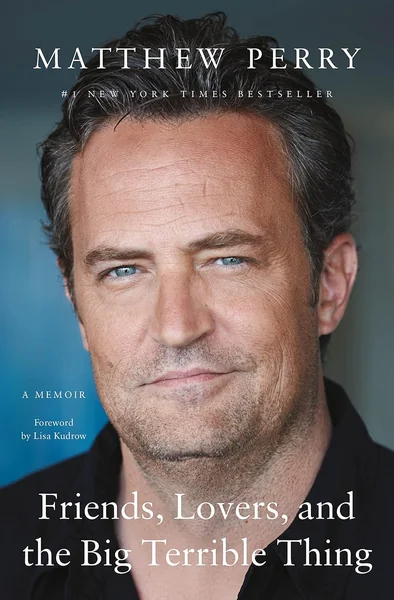
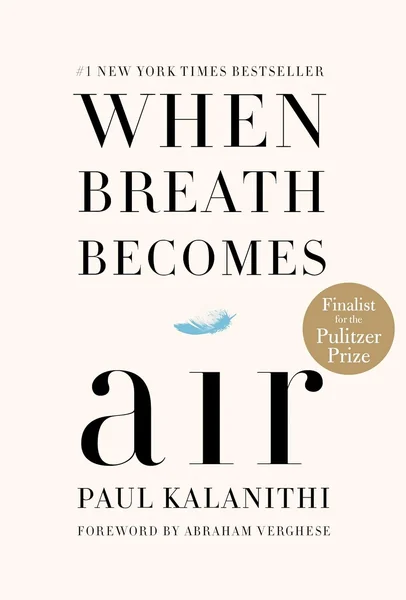
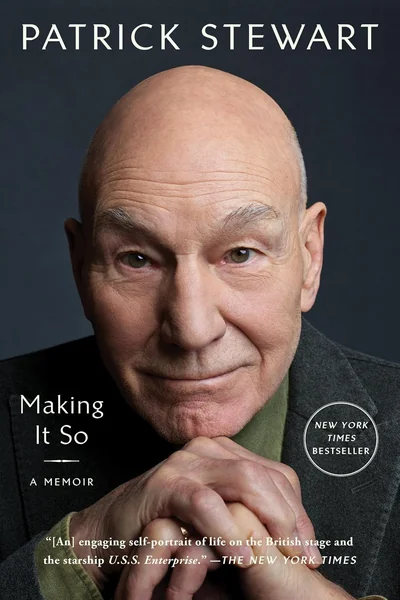
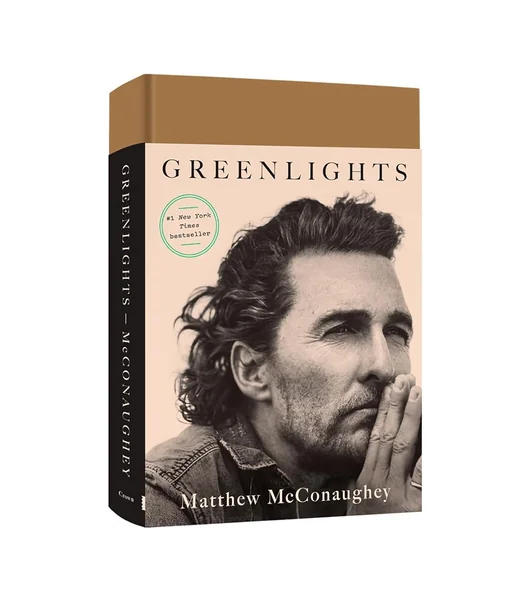
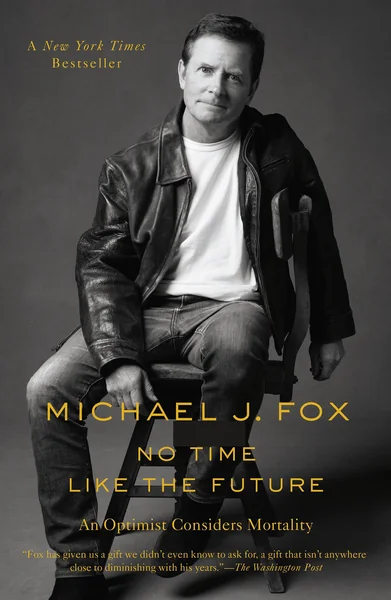
- Readers who connect with Lucky Man will find natural companions among the curated titles below. Fox's own No Time Like the Future revisits his life with Parkinson's some two decades on, making it the most direct follow-up. For another candid celebrity illness memoir, Matthew Perry's Friends, Lovers, and the Big Terrible Thing covers addiction and recovery with comparable wit and unflinching honesty. Paul Kalanithi's When Breath Becomes Air offers a more literary and philosophically rich account of confronting a terminal diagnosis. For the Hollywood memoir angle without the illness narrative, Patrick Stewart's Making It So and Paul Newman's The Extraordinary Life of an Ordinary Man both deliver candid portraits of long careers in entertainment, while Matthew McConaughey's Greenlights provides a self-reflective celebrity memoir in a similarly wry register.
- Who should read this?
- Lucky Man is recommended for readers interested in celebrity memoir, illness narrative, or the intersection of public life and private medical crisis. It is particularly well-suited to fans of Fox's work in Family Ties and Back to the Future who are curious about the personal story behind the public persona, as well as readers touched by Parkinson's disease — whether personally or through a family member — who want an accessible, first-person account. The publisher recommends it for readers thirteen and up, and its conversational prose makes it broadly accessible without sacrificing candor or substance.
- What age is it for?
- The publisher recommends Lucky Man for readers thirteen and up, and that guidance is reflected in the book's accessible, conversational prose rather than any clinical complexity. The memoir deals with a serious progressive illness and touches on the personal and professional disruptions Parkinson's caused, but Fox's wry, direct voice keeps the material from becoming heavy-handed or graphic. It is a broad-access read appropriate for curious teenagers through adult readers.
- About Michael J. Fox
- Michael J. Fox was born Michael Andrew Fox on June 9, 1961, in Edmonton, Alberta, Canada. He is the author of four New York Times bestselling books: Lucky Man, Always Looking Up, A Funny Thing Happened on the Way to the Future, and No Time Like the Future. In 1998, he publicly disclosed his Parkinson's disease diagnosis and has since become a committed advocate for Parkinson's research.
- What are the main themes?
- Lucky Man is organized around several interlocking themes: the unpredictability of illness and identity, the tension between public persona and private struggle, and the idea that a catastrophic diagnosis can unexpectedly reorient a life toward greater purpose. Fox argues — embedded in the title itself — that Parkinson's, for all the hardship it brought, gave him the chance to appreciate what he had and to direct his energy toward something larger than entertainment. The memoir also engages with themes of family, the culture of Hollywood celebrity, and the responsibilities that come with a public platform.
- How does this compare to his other books?
- Lucky Man is Fox's debut memoir and establishes the foundational arc of his story — from Canadian upbringing through Hollywood stardom to his Parkinson's diagnosis and public announcement in 1998. No Time Like the Future, available in the LuvemBooks catalogue, revisits his life with the disease approximately two decades later, offering a more recent and in some ways more sobering perspective as the illness progressed. Readers new to Fox's writing are generally advised to begin with Lucky Man, as it provides the biographical context that makes the later book's reflections fully resonant.
Summarize this book
Follow up
Synthesized from verified book data & published reviews · How we review
What would you like to know about Lucky Man?
Answers come from our editorial notes on this book. If we haven't covered something, we'll say so.
Readers often ask
Our Review
This review covers the book's content, premise and published critical reception, not a first-hand reading.
What the Memoir Actually Covers
Significance and Advocacy Context
Strengths: Voice, Wit, and Self-Awareness
Limitations and Who May Be Frustrated
Who the Book Is For Today
Sources & Further Reading
The key facts and claims in this review are grounded in the retrieved, verified sources listed below.
- Cited in this review
- 1
barnesandnoble.com
- 2
hachettebookgroup.com
- Further reading
- 3
- 4
bookbrowse.com
- 5
- 6
app.thestorygraph.com
- 7
- 8
mastersreview.com
- 9
chireviewofbooks.com
Age & Reading Level
Recommended age
Ages 13–18
Reading level
Young adult
1 content note · who it suits
Content to know about
Best for: Ages 13+ — publisher-recommended minimum age; the memoir's conversational prose and illness themes are suited to confident teen readers and above.
Skip if you're looking for a clinical or practical guide to managing Parkinson's disease rather than a personal celebrity memoir.
Reader reviews
Be one of the first readers to answer.
Read it? Was it right for you?
Books like Lucky Man
Curated picks for readers who enjoyed Lucky Man, with our reasoning for each match.
If you liked Lucky Man