Skip to content
Reviewed

Read Time

8 min read

Our age bandAdult
Reader rating
4.4 · 1,277 Amazon ratings, as of Nov 2026
reader ratings, not a LuvemBooks score
Curated & edited by

LuvemBooks Editorial

How we create our reviews →
Share This Review
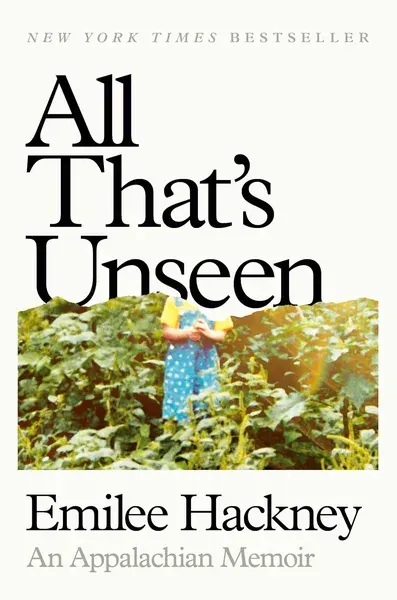
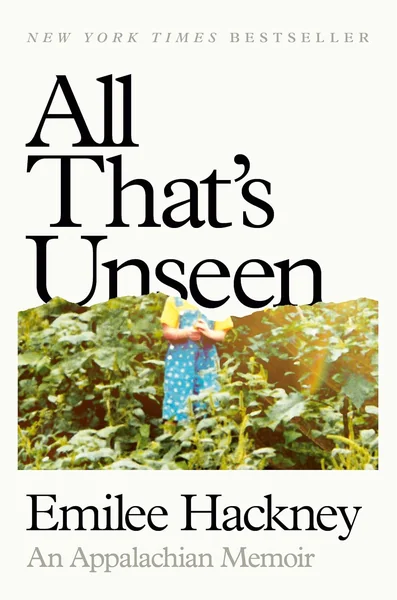
All That's Unseen: An Appalachian Memoir by Emilee Hackney front cover

Our review

All That's Unseen

All That's Unseen by Emilee Hackney Review: Faith, Flight, and Appalachia

Emilee Hackney’s memoir traces her journey from a fundamentalist Pentecostal childhood in rural Virginia to her unexpected acceptance at Harvard. The book explores her struggle with spiritual entrapment, cultural alienation, and the messy process of reclaiming her voice.

Our age band: Adultspiritual entrapment · mental health struggles

LuvemBooks Verdict

Best for

Readers seeking a fiercely honest, conversational portrait of Appalachian life and the messy reality of leaving home will find this memoir’s refusal to flatten its characters deeply rewarding.

Worth it if

Worth reading if you appreciate unflinching self-reflection and a clear-eyed critique of a tight-knit community's oppressive aspects.

Skip if

Skip it if you prefer tightly plotted memoirs with a tidy redemption arc or a broad political treatise, as the sprawling structure and deeply personal lens may feel heavy or limiting.

Where reviewers agree and split

Readers rate it 4.4 on Amazon. The reviews we read that discuss it in depth agree:

  • Positive

    Kirkus Reviews · Press review: praises the memoir as a lucid, thoughtful defense of Appalachia

  • Positive

    Hippocampus Magazine · Magazine: relieved by the memoir's messy, generous invitation to explore Appalachia

Overall verdicts are our summary of each review we read, from its headline, rating and conclusion.

The New York Times Book Review calls the work an achingly intelligent portrait worthy of its origins. Critics praise Hackney’s work, while some reviewers note the uneven pacing, and others commend her conversational tone and characters.

“A lucid portrait and defense of a region too often caricatured but little understood.”

— Kirkus Reviews
Sources: Kirkus Reviews, Bookmarks.reviews, Hippocampus Magazine, Booklist, The New York Times Book Review
4.4from 1,277 Amazon ratings, as of Nov 2026— reader ratings, not a LuvemBooks score

Ask LuvemBooks

Was this helpful?

All That's Unseen traces Emilee Hackney’s journey from a fundamentalist Pentecostal childhood in rural Virginia to her unexpected acceptance at Harvard, exploring her struggle with cultural alienation. The memoir delivers a conversational portrait of Appalachian life that balances self-reflection with a critique. Readers seeking a nuanced, hard-won look at leaving a community will find it, though those preferring a redemption arc or a broad political treatise should look elsewhere.
Is it worth reading?
Yes, for readers interested in the memoir. Kirkus Reviews and Hippocampus Magazine praise the book as a lucid, thoughtful work. However, readers may find its structure and uneven pacing frustrating.
Similar books
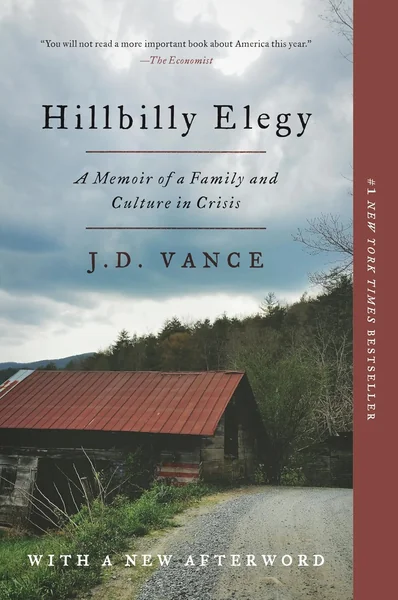
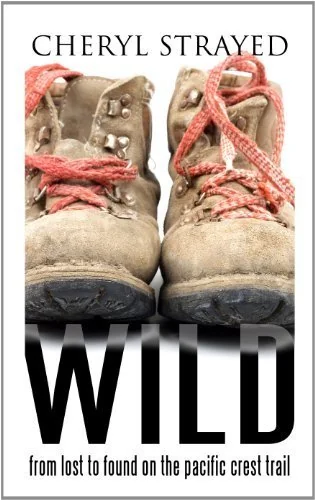
Readers who appreciate Hackney's portrayal of Appalachian life may also enjoy Educated by Tara Westover and The Glass Castle by Jeannette Walls, both of which explore leaving insular, challenging home environments. For a different but complementary perspective on the region, Hillbilly Elegy by J. D. Vance offers a broader cultural critique, while Wild by Cheryl Strayed captures the restorative power of a solitary journey.
Who should read this?
This memoir is best suited for readers who want to understand the lived reality behind the Appalachian stereotype and appreciate the narrative. It will resonate with those interested in the complexities of faith, identity, and class, as well as readers who enjoy conversational, deeply personal narratives. It is less ideal for those seeking a purely political work on the region or a success story.
What age is it for?
Its unvarnished depiction of mental health struggles, spiritual entrapment, and the aftermath of a traumatic betrayal requires mature thematic comprehension. While it does not contain explicit sexual content, its heavy emotional and psychological themes make it unsuitable for younger readers.
What are the central themes?
The memoir explores entrapment and hard-won liberation, the disorientation of a community, and the struggle to reclaim one's voice after a betrayal. It also delves into alienation, class dynamics, and the complexity of loving a place while critically examining its aspects.
What is the writing style and tone?
The memoir is written in a tone that makes Hackney’s irrepressible spirit instantly relatable, with I Love Libraries noting she writes as though readers are sitting at a coffee shop talking to an old friend. The prose balances affection for her Appalachian roots with an unflinching critique of its darker realities.
Summarize this book

Summarize this book

Emilee Hackney’s memoir chronicles her life as an eighth-generation Appalachian raised in the coalfields of southwest Virginia. After embracing radical Pentecostalism and becoming engaged, a traumatic betrayal leads her to apply to Harvard. The narrative follows her cultural clashes in Cambridge, her spiritual homelessness, and her arduous process of reclaiming her voice while navigating the lingering weight of her past.

Follow up

Is it a traditional bootstraps success story?
How long is the book?

Synthesized from verified book data & published reviews · How we review

Ask LuvemBooks

What would you like to know about All That's Unseen?

Answers come from our editorial notes on this book. If we haven't covered something, we'll say so.

Readers often ask

Our Review

We review the evidence: reader verdicts, gathered and weighed with AI assistance and edited by LuvemBooks, rather than one reader's first-hand take.

A fiercely honest memoir about spiritual entrapment and hard-won liberation, All That's Unseen rewards readers seeking a nuanced portrait of Appalachian life and the messy reality of leaving home.
All That's Unseen: An Appalachian Memoir by Emilee Hackney front cover

What the Memoir Recounts

Emilee Hackney grew up in the coalfields of southwest Virginia as an eighth-generation Appalachian. Her childhood in the hollers was shaped by the brutal grip of the mines and the stories of her grandparents.
At fourteen, she met Sam, a senior who offered a glimpse of a future together. The couple began attending Deliverance Christian Church, where she was thrust into radical Pentecostalism.
She embraced the extremist doctrines and became engaged to Sam at nineteen.
The narrative shifts when Sam is arrested for possession of child pornography shortly before their planned wedding. Hackney found herself isolated and wracked with shame, eventually applying to Harvard against all odds.
Her educational adventure in Cambridge brought surprising turns and profound cultural clashes.
Ivy League peers frequently hurled stereotypes at her, questioning her accent and background. Her journey back home revealed a different kind of alienation.
Her former community viewed her college success with suspicion and assumed she believed she was better than them.
She struggled with a loss of faith and felt spiritually homeless between two worlds. Teachers, including Michael Pollan, eventually encouraged her to channel her experiences into writing.
The memoir maps her arduous process of reinventing herself and reclaiming her voice.

Critical Reception and Regional Portrayal

Kirkus Reviews delivers a positive verdict, praising the memoir as a lucid, thoughtful defense of Appalachia. Kirkus Reviews observes that the work stands as "A lucid portrait and defense of a region too often caricatured but little understood."
Following this assessment, Hippocampus Magazine also concludes with a positive reception, noting its relief at the author’s messy, generous invitation to explore the region. The magazine highlights that "What a relief that she doesn’t try to make it neat."
Both publications acknowledge the text’s willingness to present an unpolished regional narrative. The combined positive reception confirms that the memoir aligns with expectations for an honest regional examination, providing an unpolished account of Appalachian life.
The Atlanta Journal Constitution calls the account unflinching, highlighting its exploration of identity, class, and religion. Kirkus Reviews describes the book as a lucid portrait and defense of a region too often caricatured.
The outlet notes that the memoir runs long with many variations on a few themes. It ultimately serves as a fine rejoinder to chroniclers like Harry Caudill.
Booklist, as quoted on I Love Libraries, praises the narrative for countering mainstream media gloom, bringing a refreshing blend of realism and hope.
A reviewer for Bookmarks.reviews emphasizes that Hackney refuses to let her story become a simple bootstraps narrative. The review notes that the memoir successfully humanizes hot-button subjects through nuanced storytelling.
Hippocampus Magazine observes that the author does not try to make her messy path neat. She instead invites readers to explore the map of her life alongside her.

Strengths: Nuance, Voice, and Cultural Tension

Readers and reviewers consistently commend Hackney’s ability to balance affection for her home with a clear-eyed critique of its oppressive aspects.
Her narrative avoids the pitfalls of a glossy homage or a sentimental elegy. It focuses instead on the complex reality of rural life.
The memoir’s strength lies in its refusal to flatten its characters into heroes or villains.
Bookmarks.reviews notes that Hackney portrays individuals as living, breathing humans with all their nuance. I Love Libraries observes that Hackney writes as though readers are sitting at a coffee shop talking to an old friend.
This conversational tone makes her irrepressible spirit and drive instantly relatable. The book also excels in capturing the specific disorientation of leaving a tight-knit, faith-based community.
Hippocampus Magazine points out the funhouse mirror effect of facing stereotypes abroad only to encounter them again at home. Hackney navigates this terrain with joyless sex, drinking binges, and antidepressants before finding her footing through writing.

Limitations and Who May Struggle

The memoir’s sprawling structure and unvarnished depiction of mental health struggles may not suit readers seeking a tidy redemption arc. Kirkus Reviews notes that the book runs long, with many variations on a few central themes.
Some readers might find the pacing uneven as Hackney shifts between her childhood in the hollers and her years in Cambridge. The intense focus on spiritual entrapment and the aftermath of a traumatic betrayal can feel heavy for those looking for lighter reading.
The narrative does not offer easy answers or a straightforward path to healing. Hippocampus Magazine acknowledges that Hackney’s path is pretty messy.
The book refuses to impart neat lessons to its audience.
Readers seeking a purely political or sociological treatise on Appalachia may find the deeply personal lens limiting. The memoir is anchored in Hackney’s specific family history and individual journey rather than a broad regional analysis.
Those who prefer their success stories framed strictly as meritocratic triumphs might struggle with the emphasis on serendipity. The lingering weight of her past remains a constant presence throughout the text.

Is the Memoir Worth Reading?

Weighing the available reviews, All That's Unseen is best suited for readers who want to understand the lived reality behind the Appalachian stereotype. The book delivers a fiercely honest account of spiritual entrapment and the courage required to reclaim one's voice.
It stands as a necessary counterpoint to older, more cynical regional narratives. Readers who appreciate nuanced storytelling and unflinching self-reflection will find it deeply rewarding.
Those who prefer tightly plotted memoirs with clear-cut resolutions may find its sprawling nature frustrating. The book ultimately points toward anyone willing to sit with complexity and embrace hope without denying the past.

Sources & Further Reading

The key facts and claims in this review are grounded in the retrieved, verified sources listed below.

  1. Cited in this review
  2. 1
  3. Further reading
  4. 2
  5. 3
  6. 4
  7. 5
  8. 6
  9. 7
  10. 8

Age & Reading Level

Our age band

Adult

Our age band groups books for browsing; it isn't an age a review gave.

Content to know about

spiritual entrapment
mental health struggles
traumatic betrayal
cultural alienation

Best for: Adults — themes of spiritual entrapment, mental health struggles, and complex family dynamics require mature comprehension.

Skip if you prefer tightly plotted memoirs with a tidy redemption arc or a broad political treatise on Appalachia.

Emilee Hackney on All That's Unseen

Author Emilee Hackney speaks with PBS NewsHour about her memoir 'All That's Unseen' and how it contrasts with common stereotypes of Appalachia.

Uploaded by PBS NewsHour, 2026 · Watch on YouTube ·

More from this interview on Emilee Hackney's page →

Representing Personal Appalachian Experience

Hackney emphasizes that in her memoir, she took care to define her narrative as strictly her own experience rather than attempting to speak for Appalachia as a whole.

From our readers

Reader reviews

No LuvemBooks readers have answered yet.

Read it? Was it right for you?

Discussion

Reader comments