7 min read
4.5
· 22,014 Amazon ratingsShare This Review

Our review
Atlas Shrugged
Atlas Shrugged by Ayn Rand Review: A Polarizing Philosophical Novel That Endures
Atlas Shrugged is Ayn Rand's magnum opus — a dystopian novel in which railroad executive Dagny Taggart and steel magnate Hank Rearden battle a collapsing America as its most productive minds, led by the enigmatic John Galt, stage a strike against collectivism. Decades after its deeply divided reception, it remains a cultural flashpoint that no reader finishes indifferent.
LuvemBooks Verdict
Best for
Readers drawn to big-idea fiction who want a novel that argues a complete philosophical worldview — individualism, rational egoism, and laissez-faire capitalism — through large-scale plot and dramatic stakes, and who are willing to commit to a dense, polemical thousand-plus-page story.
Worth it if
Worth reading if you are curious about Objectivism and libertarian thought in their most ambitious novelistic form, and can engage with a fiercely argued ideology even when you don't share its premises.
Skip if
Skip it if you need psychologically rounded, believable characters and ideological ambiguity — Kirkus found most characters "unconvincing, overdrawn to represent symbols rather than people," and the novel's uncompromising moral framework will actively alienate readers unsympathetic to its premises.
What readers & critics say
Kirkus Reviews, in its original 1957 notice, acknowledged a near-compulsive narrative pull while faulting the characters as symbolic rather than human and the philosophical content as "faintly phoney." Lit Hub and The Guardian both note the novel received largely negative reviews on publication yet became a formative text for generations of libertarian and conservative thinkers — a cultural reach that far outran its critical standing.
“One finds oneself virtually under an indefinable compulsion to keep reading once caught in the mesh of sheer story telling.”
— Kirkus Reviews“Despite receiving largely negative reviews upon its release, the novel sold briskly and became a formative text for numerous conservative and libertarian thinkers.”
— Lit HubAsk LuvemBooks
Was this helpful?
- Is it worth reading?
- For readers drawn to big-idea fiction — novels that argue a coherent worldview through plot and character — Atlas Shrugged stands among the most ambitious examples of that form in American literature. Kirkus Reviews, in its original notice, acknowledged that readers find themselves 'virtually under an indefinable compulsion to keep reading once caught in the mesh of sheer story telling,' and the novel has sustained enormous cultural influence across decades. The key caveat is that its ideological framework is uncompromising: readers who reject the premises of Objectivism will find the moral argument actively off-putting, and Kirkus directly faulted the characterization, finding 'most of the characters unconvincing, overdrawn to represent symbols rather than people.' Those who can engage with it on its own terms, however, will find an experience Kirkus itself called one that 'leaves one unscathed' in its intensity.
- Similar books
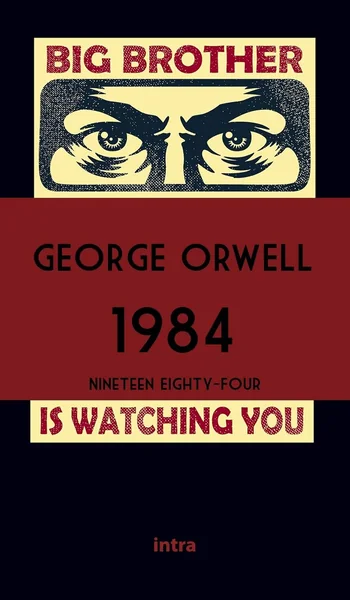
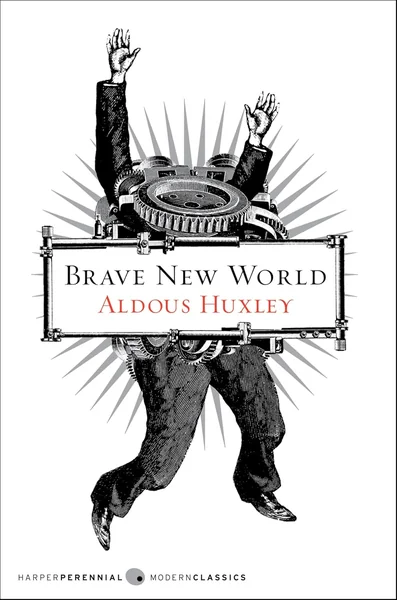
- Readers who respond to Atlas Shrugged's dystopian vision of a society in ideological decline will find natural companions in George Orwell's 1984 and Aldous Huxley's Brave New World — both explore how systems of collective control crush individual thought, though from very different political vantage points than Rand's. Robert A. Heinlein's The Moon Is a Harsh Mistress shares Rand's libertarian sympathies and its story of a society asserting its independence makes it a strong thematic counterpart. Rand's own earlier novel The Fountainhead is the most direct precursor, introducing her Objectivist ideas through architect Howard Roark before Atlas Shrugged expanded that framework on an epic scale.
- Who should read this?
- Atlas Shrugged is best suited to adult readers with a strong appetite for big-idea fiction — novels that argue a coherent worldview through plot and character, however schematically. Libertarian and conservative readers who find Rand's premises compelling will get the most from it, and the NAL paperback reprint's introduction by Leonard Peikoff, Rand's philosophical heir, positions it as a serious engagement with Objectivism. Readers seeking psychologically nuanced characters, literary realism, or ideological ambiguity are warned: the novel is built around argument as much as character, and Kirkus found most characters 'unconvincing, overdrawn to represent symbols rather than people.'
- About Ayn Rand
- Ayn Rand is the author of Atlas Shrugged, a philosophical novel that presents her theory of Objectivism through the story of industrialists and thinkers who withdraw from society in protest against collectivism. The work stands as her most comprehensive fictional statement of that philosophy.
- What's this book about?
- Atlas Shrugged is set in a dystopian United States — the era deliberately unspecified — where heavy industry is strangling under accumulating regulation, shortages spread, and the economy teeters toward collapse. Railroad executive Dagny Taggart and steel magnate Hank Rearden fight the 'looters' — politicians and businesspeople who exploit productive individuals rather than create — while the mysterious John Galt quietly persuades the nation's brightest minds to withdraw from society in a philosophical strike against collectivism. It is the fullest novelistic expression of Rand's Objectivism, weaving themes of reason, individualism, rational egoism, and laissez-faire capitalism through an ambitious narrative that blends dystopia, mystery, and romance.
- What are the main themes?
- Atlas Shrugged dramatizes the core pillars of Rand's Objectivism: reason, individualism, rational egoism, property rights, and laissez-faire capitalism. The conflict between the 'producers' — Dagny Taggart, Hank Rearden, and John Galt's strikers — and the 'looters' who exploit rather than create is the engine through which these themes play out. The novel's most controversial moral statement is crystallized in the strikers' oath — 'I will never live for the sake of another man, nor ask another man to live for mine' — a direct rejection of altruism that Kirkus found potentially alienating. Its portrait of economic and societal collapse also carries a pointed critique of government regulation and collectivism that has resonated strongly with libertarian and conservative readers for decades.
- What format or edition is this?
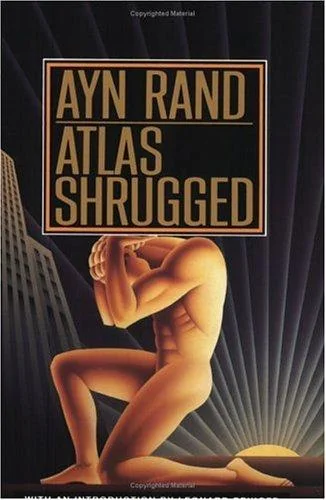
- The edition under review is the NAL (New American Library) paperback reprint, which includes a substantial introduction by Leonard Peikoff — Rand's philosophical heir. That introduction provides philosophical context for new readers and signals the edition's positioning as a serious engagement with Objectivism rather than simply a piece of popular fiction.
Summarize this book
Follow up
Synthesized from verified book data & published reviews · How we review
What would you like to know about Atlas Shrugged?
Answers come from our editorial notes on this book. If we haven't covered something, we'll say so.
Readers often ask
Our Review
What the Novel Actually Is
Its Place in Rand's Work and in American Culture
Narrative Grip and Storytelling Craft
Where the Novel Draws Criticism
Who This Book Is For
Sources & Further Reading
The key facts and claims in this review are grounded in the retrieved, verified sources listed below.
- Cited in this review
- 1
- 2
ryanmizzen.com
- 3
audible.com
- Further reading
- 4
- 5
Open Library
Age & Reading Level
Recommended age
Adult
Tropes
From how readers and romance sites describe it, not our own reading.
2 content notes · who it suits
Content to know about
Skip if you want psychologically rounded characters or ideological ambiguity in your fiction.
Reader reviews
Be one of the first readers to answer.
Read it? Was it right for you?
Books like Atlas Shrugged
Curated picks for readers who enjoyed Atlas Shrugged, with our reasoning for each match.

If you liked Atlas Shrugged