7 min read
4.4
· 7,844 Amazon ratingsShare This Review
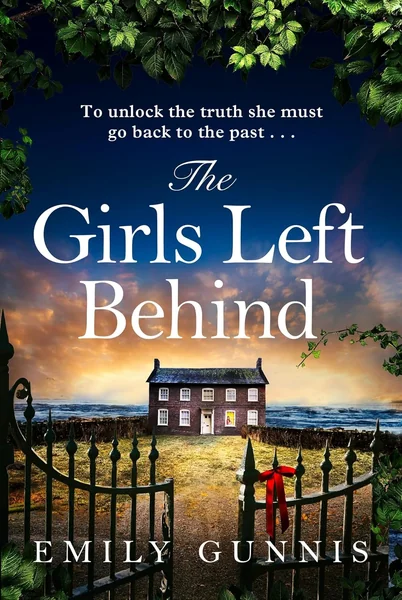
The Girls Left Behind by Emily Gunnis Review: A Gripping Multi-Timeline Mystery Thriller
Emily Gunnis's The Girls Left Behind is a mystery thriller that weaves triple timelines — World War Two, the 1970s/80s, and the 2000s — around the disappearance of girls from a notorious children's home called Morgate House, anchored by the determined Superintendent Jo Hamilton as she races to uncover decades of buried wrongs before her retirement.
LuvemBooks Verdict
Best for
Readers who enjoy character-driven British crime fiction with a strong historical dimension — particularly those drawn to stories of institutional injustice, wronged women, and multi-generational mystery, and who already love Emily Gunnis's debut, The Girl in the Letter.
Worth it if
You're willing to invest in a structurally ambitious triple-timeline thriller where the complexity pays off in a genuinely surprising and emotionally satisfying ending.
Skip if
You prefer tightly focused, single-perspective narratives, or are sensitive to substantively dark subject matter including child abuse, institutional cover-up, and the deaths of children.
What readers & critics say
Readers on NetGalley consistently praised Gunnis's command of the triple-timeline structure and her three central female characters, with one calling the ending "brilliant" and genuinely unexpected. Reviewer Sandra Danby at sandradanby.com acknowledged the ambition of the approach while noting it is "a complicated mixture to handle" with "a lot of personalities and twists to hang on to," and goodbadandunread.com found the wartime strand less engaging than the more recent timelines, awarding the novel a Grade B overall.
Sources: NetGalley, sandradanby.com, goodbadandunread.com, mumcreviews.blogspot.comAsk LuvemBooks
Was this helpful?
- Is it worth reading?
- For readers drawn to British historical crime fiction with emotional depth, The Girls Left Behind delivers: multiple NetGalley reviewers praised the triple-timeline structure as 'cleverly done' and specifically effective at sustaining tension, and the ending drew consistent acclaim as 'brilliant' and genuinely surprising. The three central female characters — Jo Hamilton, Holly, and Daisy — are repeatedly described as strong and well-differentiated, giving the multi-generational plot human anchors that readers found compelling. The key caveat is structural and tonal: the large cast and three-timeline architecture can be demanding in the novel's earlier sections, and the subject matter — child abuse and institutional cover-up — is substantively dark.
- Similar books
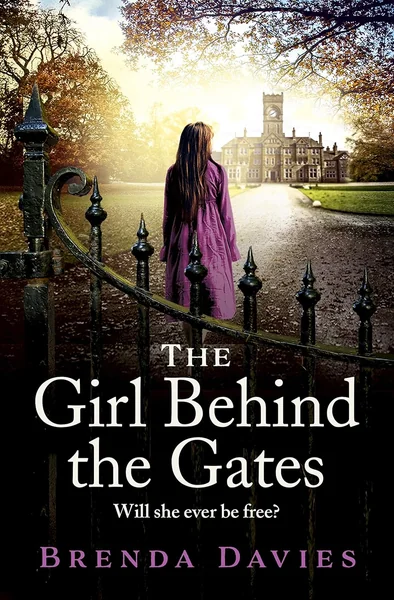
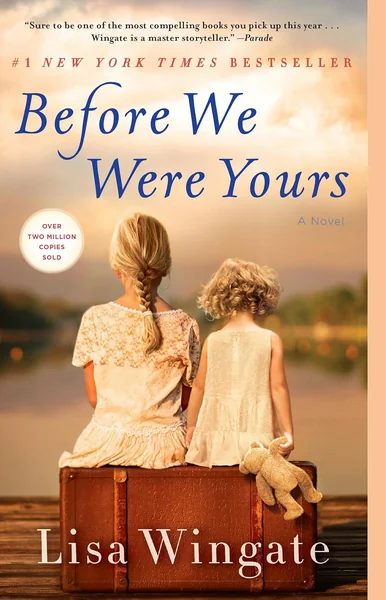
- Readers drawn to The Girls Left Behind will find close company among several titles curated below. Brenda Davies's The Girl Behind the Gates shares the institutional wrongdoing and long-buried secrets of vulnerable women in the British system, while Lisa Wingate's Before We Were Yours similarly uses a dual timeline to expose historical child welfare abuses. Kristina McMorris's Sold on a Monday blends historical injustice with emotionally driven investigative narrative in a comparable register. For readers who responded to the wartime strand, Georgia Hunter's We Were the Lucky Ones offers a richly researched multi-generational story of survival, and Kelly Rimmer's The Things We Cannot Say weaves a dual-timeline structure around wartime secrets with emotional urgency.
- Who should read this?
- The Girls Left Behind is designed for adult readers who enjoy character-driven British crime and historical thriller fiction — specifically those who want the past to function not merely as backdrop but as the active engine of present-day reckoning. Fans of Emily Gunnis's debut, The Girl in the Letter, will find familiar DNA in the institutional injustice, wronged women, and carefully timed structural revelations. Readers who appreciate multi-generational ensemble narratives and are willing to invest in a complex three-timeline structure will get the most from it; those who prefer a single focused perspective or lighter crime fiction are likely to find it demanding.
- Where should I start with Emily Gunnis?
- Emily Gunnis's debut, The Girl in the Letter, is the natural starting point — it established her reputation for weaving historical injustice into propulsive contemporary fiction and shares the same thematic DNA as The Girls Left Behind. That said, The Girls Left Behind works equally well as a standalone entry point: one NetGalley reviewer encountered it as their first Gunnis novel and found it wholly satisfying on its own terms. Either book provides a strong introduction to her approach of institutional wrongdoing, female-centred narratives, and multi-layered historical structure.
- What are the main themes?
- At its core, The Girls Left Behind is about the long reach of institutional wrongdoing and the generational trauma it leaves behind — specifically the mistreatment and disappearance of girls in the care of Morgate House across several decades. One NetGalley reviewer summarised its emotional canvas as encompassing sisterly love, friendship, deceit, child abuse, guilt, and determination. The novel uses its three timelines — World War Two, the 1970s/80s, and the 2000s — to show how buried wrongs persist and warp lives long after the original events, with Jo Hamilton's investigation in the present functioning as the final act of reckoning.
- Is this a good book club pick?
- The Girls Left Behind has considerable book club appeal: its three distinct timelines, ensemble cast, and morally serious themes of institutional cover-up, child welfare, and generational reckoning provide multiple angles for discussion. The three central female characters — Jo Hamilton, Holly, and Daisy — offer different entry points into the story's emotional world, and the ending, widely described as surprising and earned, is the kind of payoff that generates animated post-read conversation. The main practical consideration for groups is the structural complexity: facilitators may want to allow early discussion to address the multi-timeline layout before the threads converge.
Summarize this book
Follow up
Synthesized from verified book data & published reviews · How we review
Press Enter to ask. Answers come from our editorial Q&A — start typing to see related questions.
Age & Reading Level
Recommended age
Adult
Reading level
Adult
4 content notes · who it suits
Content to know about
Best for: Adults — the novel's central subject matter of child abuse, the deaths of children at Morgate House, and institutional cover-up is intended for a mature adult readership.
Skip if you prefer a single-perspective linear mystery or find depictions of child mistreatment in institutional settings too distressing.
Our Review
What the Novel Contains and How It Is Structured
The Author's Background and Place in the Genre
Strengths: Plotting, Pacing, and Character
Genuine Limitations and Readers to Consider
Who This Book Is For
Sources & Further Reading
The key facts and claims in this review are grounded in the retrieved, verified sources listed below.
- Cited in this review
- 1
waterstones.com
- 2
- Further reading
- 3
bookoutlet.com
- 4
netgalley.com
- 5
karensbookbag.co.uk
- 6
goodbadandunread.com
- 7
- 8
cookiebiscuit.co.uk
- 9
echoesinanemptyroom.com
- 10
goodreadingmagazine.com.au
- 11
barnesandnoble.com
Books like The Girls Left Behind
Curated picks for readers who enjoyed The Girls Left Behind, with our reasoning for each match.
If you liked The Girls Left Behind