7 min read
Share This Review
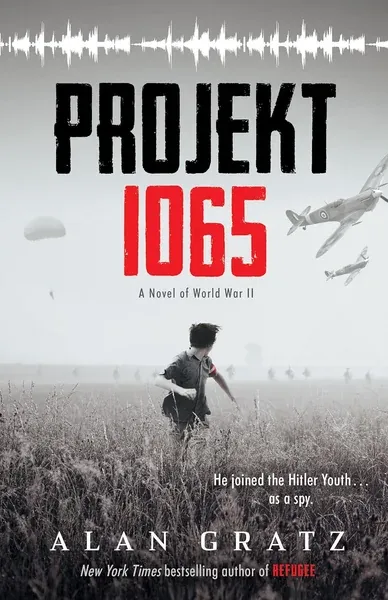
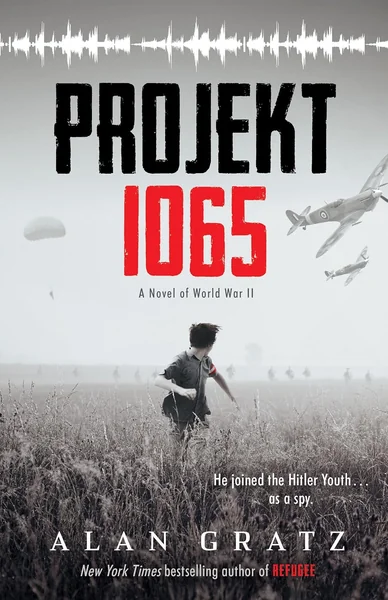
Alan Gratz delivers a pulse-pounding 1943 Berlin espionage thriller that trades classroom history for the visceral reality of a teen in the Hitler Youth. The relentless pacing makes it highly engaging, though the book demands a high tolerance for graphic violence and historical trauma.
LuvemBooks Verdict
Best for
Middle-grade and YA readers seeking a fast-paced espionage thriller that prioritizes kinetic action and moral dilemmas over academic history lessons.
Worth it if
Worth reading if you can engage with a narrative that unflinchingly depicts graphic violence and the psychological erosion of children under Nazi propaganda.
Skip if
Skip it if you prefer sanitized wartime heroics or require a buffer from the unflinching depictions of child abuse and bombing aftermaths.
Where reviewers agree and split
Readers rate it 4.8 on Amazon. The reviews we read that discuss it in depth agree:
- Positive
Kirkus Reviews · Press review: celebrated as an animated and thought-provoking WWII insider story
- Positive
Compass Book Ratings · Book blog: praises the intense espionage story and historical relevance
- Positive
Redeemed Reader · Book blog: A worthwhile, intense page-turner with minor historical inaccuracies
- Positive
Helen's Book Blog · Book blog: an action-packed, well-told historical fiction with likable characters
- Positive
Dogo Books · Book blog: praises the emotional impact and thrilling pacing for young readers
What readers & critics say
Kirkus Reviews hailed the novel as 'A rare insider’s glimpse into the Hitler Youth: animated, well-researched, and thought-provoking,' while a reader on Dogo Books emphasized its emotional weight with Heartbreaking - dramatic - emotional. Conversely, a reviewer on The Story Graph found the plot and characterizations 'preposterous' despite acknowledging the swift pacing.
Sources: Kirkus Reviews, Dogo Books, The Story GraphAsk LuvemBooks
Was this helpful?
- Is it worth reading?
- The book delivers a pulse-pounding espionage experience that trades classroom history for visceral survival stakes. Critics praise its kinetic pacing and unflinching look at how propaganda corrupts youth, though the narrative occasionally flattens secondary characters to maintain momentum. It is a strong pick for readers who prioritize high-stakes action over deep academic history.
- Similar books
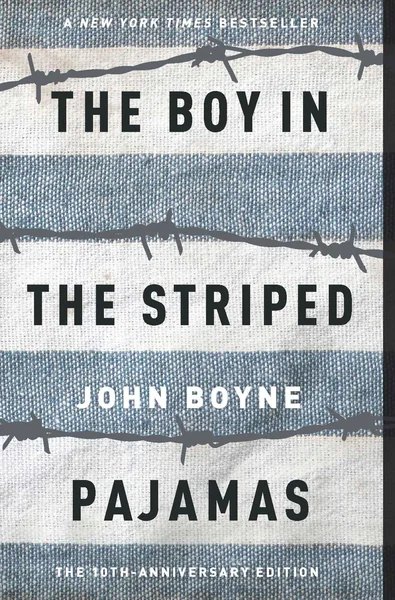
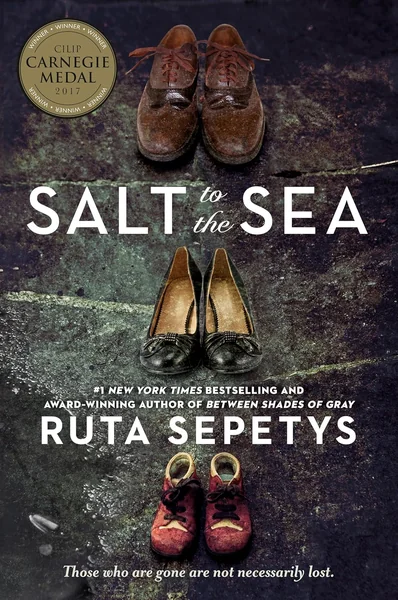
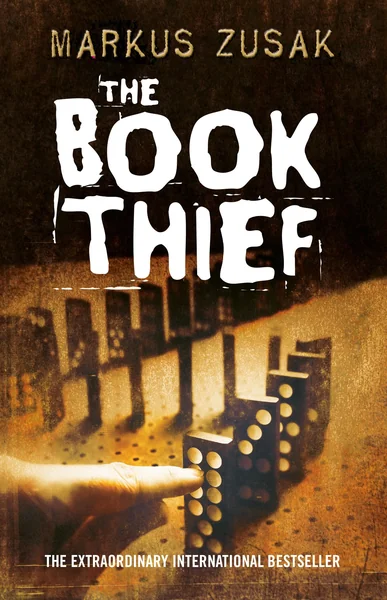
- Readers who enjoy tight historical thrillers with young protagonists navigating oppressive regimes will appreciate The Boy in the Striped Pajamas by John Boyne, Salt to the Sea by Ruta Sepetys, and The Book Thief by Markus Zusak. These titles share a focus on youthful perspectives within the crucible of World War II, though Gratz leans more heavily into espionage mechanics.
- Who should read this?
- This novel is best suited for middle-grade and young adult readers interested in the technical aspects of wartime espionage. It also appeals to readers who want to explore the psychological impact of propaganda on adolescents.
- What age is it for?
- Best for ages 12 and up, as the narrative demands a level of reading comprehension suited for early high school students. The content advisory requires a mature reader due to the unflinching depiction of violence, the physical abuse of teenagers, and the indoctrination caused by Nazi ideology.
- What are the main themes?
- The novel heavily examines how effective propaganda systematically corrupts youth, forcing adolescents into complicity with a brutal regime. It also explores the strain of living a double life, the loss of innocence, and the moral compromises required for survival under totalitarian rule.
- How does the author handle the espionage mechanics?
- Gratz structures the plot around Michael, using him as a crucial device to secure blueprints and relay them to an Allied contact. The narrative focuses on the machinery of wartime intelligence and the technical stakes of sabotage, appealing to readers who enjoy the procedural aspects of a spy thriller over political exposition.
Summarize this book
Follow up
Synthesized from verified book data & published reviews · How we review
What would you like to know about Projekt 1065?
Answers come from our editorial notes on this book. If we haven't covered something, we'll say so.
Readers often ask
Our Review
We review the evidence: reader verdicts, gathered and weighed with AI assistance and edited by LuvemBooks, rather than one reader's first-hand take.
What the Book Actually Is and Argues
Place in the Genre and Cultural Moment
Strengths of the Narrative and Pacing
Genuine Limitations and Points of Contention
Is It Worth Reading?
Sources & Further Reading
The key facts and claims in this review are grounded in the retrieved, verified sources listed below.
- Cited in this review
- 1
barnesandnoble.com
- 2
kirkusreviews.com
- Further reading
- 3
alangratz.com
- 4
helensbookblog.com
- 5
compassbookratings.com
- 6
- 7
- 8
kirkusreviews.com
- 9
app.thestorygraph.com
Age & Reading Level
Our age band
Ages 12+
Reading level
Middle grade
Amazon listing
Ages 10–13 (set by customers) · Grade 4–7
Our age band groups books for browsing; it isn't an age a review gave.
5 content notes · who it suits
Content to know about
Best for: Ages 12+ — heavy themes of psychological manipulation and graphic violence require mature reading comprehension
Skip if you prefer sanitized wartime narratives or require a buffer from the unflinching depictions of child abuse and historical trauma
Reader reviews
No LuvemBooks readers have answered yet.
Read it? Was it right for you?
Books like Projekt 1065
Curated picks for readers who enjoyed Projekt 1065, with our reasoning for each match.

If you liked Projekt 1065