BOOKS
Published

Read Time

3 min read

Reader rating

4.6

· 97 Amazon ratings
reader ratings, not a LuvemBooks score
Curated & edited by

LuvemBooks Editorial

How we create our reviews →
Share This Review

The Book of Heartbreak by Ova Ceren Review: A Lyrical Romantasy Rooted in Middle Eastern Legend

Ova Ceren's debut novel, The Book of Heartbreak, published by Alcove Press in August 2025, is a fantasy romance centered on Sare Silverbirch, a young woman cursed so that a fifth heartbreak will stop her heart forever. Drawing on Middle Eastern legend and praised by authors including Laini Taylor and L.J. Shen, it is a witty, lyrical romantasy that weaves grief, forgiveness, and celestial stakes into a story designed for readers who love emotionally resonant, myth-inflected fiction.

LuvemBooks Verdict

Best for

Readers who want their fantasy romance to carry genuine emotional weight — particularly those drawn to grief, forgiveness, and lyrical prose layered over a ticking-clock curse rooted in Middle Eastern legend.

Worth it if

You're willing to sit with a quieter, more introspective romantasy that earns its magical stakes through accumulated heartbreak and cultural specificity rather than breakneck plot momentum.

Skip if

You prefer faster-moving, plot-driven fantasy romance with systematic worldbuilding, or expect the emotional core to centre on romantic rather than filial loss — the death of Sare's mother is the novel's pivotal heartbreak.

Publishers Weekly, as quoted on barnesandnoble.com, calls it "a lush, emotionally charged romantasy that threads ancient cursework, divine intervention, and coming-of-age vulnerability into a rich tapestry of self-discovery." Independent Book Review describes it as "a love letter to human connection" that is "equal parts intriguing and illuminating," while bookclb.com credits Ceren with announcing herself as "a voice worth watching in the fantasy romance genre," despite noting minor pacing concerns.

Sources: Barnes & Noble, Independent Book Review, bookclb.com
4.6from 97 Amazon ratings— reader ratings, not a LuvemBooks score
In This Review
  • What Works & What Doesn't
  • What the Novel Is About
  • Ova Ceren and the Book's Significance
  • Critical and Reader Reception
  • Strengths: Tone, Stakes, and Emotional Architecture
  • Who This Book Is For — and Where It Asks the Most

What Works & What Doesn't

What Works
  • Praised by Laini Taylor as 'vivid, fresh, and gripping' and by L.J. Shen as 'a tour de force of lyrical angst and magic' — two prominent genre voices lending strong pre-publication endorsement
  • Grounded in Middle Eastern legend, offering culturally specific mythological texture uncommon in mainstream fantasy romance
  • Emotionally sophisticated structure that traces Sare's accumulated heartbreaks before the life-or-death stakes arrive, giving the curse genuine weight
  • Early readers highlight Ceren's skill in handling grief and forgiveness with care, describing the novel as tender and cathartic
  • Simultaneous multi-format release (paperback, eBook, audio) across two publishers in the US and UK signals a well-supported debut
What Doesn't
  • The introspective, lyrical tone — a strength for many readers — may feel slow-paced for those seeking faster-moving, plot-driven romantasy
  • The emotional core centers significantly on filial grief (the death of Sare's mother) rather than exclusively romantic heartbreak, which may not align with all romantasy readers' expectations
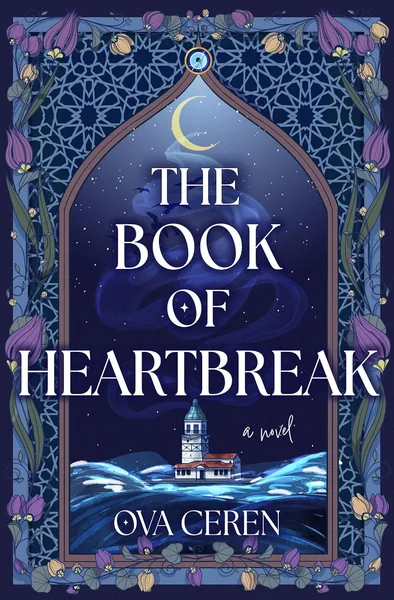
A debut that announces itself with considerable confidence, The Book of Heartbreak uses a life-or-death curse as the engine for a deeply felt exploration of grief, compassion, and the long work of forgiveness.
The Book of Heartbreak: A Novel by Ova Ceren front cover

What the Novel Is About

At the center of The Book of Heartbreak is Sare Silverbirch, a young woman who has already survived three heartbreaks — a fact that matters enormously, because a fifth heartbreak will stop her heart forever. The inciting fourth heartbreak is the death of her mother, which sets Sare's race against her own fate in motion. Her journey to escape the curse brings her into contact with celestials beyond the earthly realm — heavenly beings who have their own stake in Sare's destiny and who resist having their plans overturned. The novel is rooted in a Middle Eastern legend given a modern, magical makeover, and the publisher describes it as a "dazzling, haunting romantasy" built to break and mend its readers' hearts in equal measure.
a true delight — vivid, fresh, and gripping.

Ova Ceren and the Book's Significance

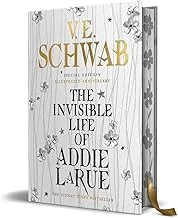
Ceren arrived at fiction with an already-established audience: she is the creator of the widely followed BookTok and Instagram channels @excusemyreading, where she built a community around her love of books and her life in Cambridge, UK. Born in Izmir, Turkey, she brings firsthand cultural grounding to the Middle Eastern legendry at the novel's core. The Book of Heartbreak is published in the US by Alcove Press and in the UK by Hot Key Books, with simultaneous paperback, eBook, and audio releases — a coordinated debut launch that reflects meaningful publisher confidence. The novel draws comparisons, in its own marketing, to V.E. Schwab's The Invisible Life of Addie LaRue, positioning it squarely within the literary fantasy romance conversation of the mid-2020s.

Critical and Reader Reception

Pre-publication praise from prominent voices in the genre is strong. Laini Taylor, the New York Times bestselling author of Daughter of Smoke and Bone, calls it "a true delight — vivid, fresh, and gripping." L.J. Shen, New York Times bestselling author of Truly Madly Deeply, describes it as "a tour de force of lyrical angst and magic." Early reader response, as captured in one review excerpt, singles out the novel's emotional intelligence: the reviewer notes that Ceren "handles these complex topics with skill and care," calling the book "very tender... Cathartic and aching," and praising Sare's arc toward understanding, compassion, and forgiveness as "a beautiful and heartening thing." That same reader specifically appreciated the novel's treatment of Sare's first three heartbreaks — framed as a kind of backstory survey — before the mother's death triggers the central crisis.

Strengths: Tone, Stakes, and Emotional Architecture

What the record consistently foregrounds is that the novel operates simultaneously as a page-turning genre fantasy — with genuine celestial stakes and a ticking-clock curse — and as a quieter, more introspective meditation on grief and the human capacity to forgive. The publisher copy calls it "delightfully witty," while critical response emphasizes its lyricism and emotional ache. That tonal range — wit alongside genuine sorrow — is the book's most frequently noted design achievement. The structure, which moves through Sare's accumulated heartbreaks before arriving at the one that matters most, is cited by early readers as giving the romance and the stakes their emotional weight.

Who This Book Is For — and Where It Asks the Most

Readers drawn to emotionally heavy fantasy — those who want their romantasy to carry genuine grief alongside its magic — will find The Book of Heartbreak aligned with their tastes. The Addie LaRue comparator is apt as a signal: this is a book concerned as much with loss and memory as with plot mechanics. Readers who prefer lighter, faster-moving fantasy romance, or who want their celestial worldbuilding laid out with systematic clarity, may find the novel's introspective, lyrical register a slower terrain to navigate. The mother's death as the central heartbreak also means the emotional core skews toward grief and filial loss rather than exclusively romantic heartbreak — a distinction worth flagging for readers calibrating their expectations. Those willing to sit with that complexity will encounter a debut that its earliest readers describe as genuinely cathartic.

Sources & Further Reading

The key facts and claims in this review are grounded in the retrieved, verified sources listed below.

  1. Cited in this review
  2. 1
  3. 2
  4. 3
  5. 4
  6. Further reading
  7. 5
  8. 6
  9. 7
  10. 8
  11. 9