Skip to content
Reviewed

Updated

Read Time

8 min read

Reader rating
4.8 · 161,349 Amazon ratings, as of Oct 2026
reader ratings, not a LuvemBooks score
Curated & edited by

LuvemBooks Editorial

How we create our reviews →
Share This Review
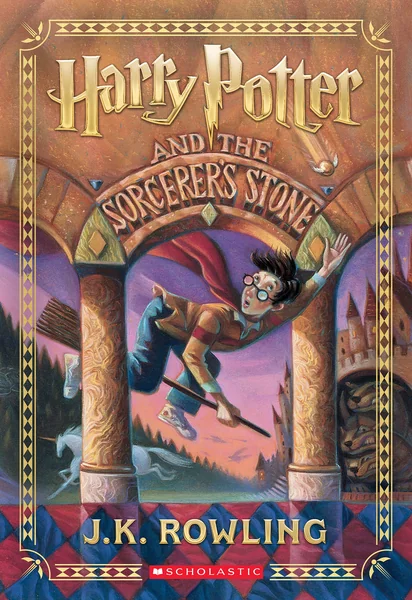
Front cover

Our review

Harry Potter and the Sorcerer's Stone

Harry Potter and the Sorcerer's Stone by J. K. Rowling Review: Charming, Quick, Thin on World-Building

J. K. Rowling's Harry Potter and the Sorcerer's Stone sends an orphan to Hogwarts to stop Voldemort stealing the philosopher's stone. Reviewers praise its charm, pace and humour; the eyrie.org reviewer faults its incoherent world-building.

Our age band: Ages 8+orphaned child living with abusive relatives · bullying

LuvemBooks Verdict

Best for

Best for readers eight and up, and for adults returning for comfort, who want a quick, charming school-and-magic adventure with a twisty mystery and clear themes of friendship and belonging.

Worth it if

Worth reading if you come for warmth, humour and a fast-moving mystery rather than a rigorously logical magic system, and want a self-contained start to a series.

Skip if

Skip it if you prize coherent, rule-governed narratives or morally searching themes, since the eyrie.org reviewer finds the wizarding world a hodge-podge of cute ideas and the supposedlyfun.com reviewer finds the plot mechanics convenient.

Where reviewers agree and split

Readers rate it 4.8 on Amazon. The reviews we read that discuss it in depth split on some points:

  • Positive

    Kirkus Reviews · Press review: imaginative and rousing fantasy filled with delightful magical details (from its headline)

  • Positive

    Supposedly Fun · Book blog: holds up beautifully after fifteen years, nostalgic and engaging throughout

  • Negative

    Eyrie · Book blog: weak worldbuilding and superficial storytelling lacking intellectual depth

    Overall verdicts are our summary of each review we read, from its headline, rating and conclusion.

    Kirkus Reviews called it a "hugely enjoyable fantasy" filled with imaginative details, and the vocal.media and supposedlyfun.com reviewers praise its charm and pull. Eyrie.org is the clear dissent, objecting to the incoherent rules while conceding the story moves along and the prose is clear.

    “This hugely enjoyable fantasy is filled with imaginative details, from oddly flavored jelly beans to dragons’ eggs hatched on the hearth.”

    — Kirkus Reviews
    Sources: Kirkus Reviews, vocal.media, supposedlyfun.com, eyrie.org
    4.8from 161,349 Amazon ratings, as of Oct 2026— reader ratings, not a LuvemBooks score

    Ask LuvemBooks

    Was this helpful?

    Harry Potter and the Sorcerer's Stone follows an orphan who discovers he is a wizard and, at Hogwarts, helps stop Voldemort from seizing the philosopher's stone. Reviewers largely agree it is fast, funny and easy to get lost in, though a dissenting critic finds the magic a hodge-podge without coherent rules. It is a charm-first, low-barrier opener rather than a rigorous fantasy.
    Is it worth reading?
    For most readers, yes, with one honest caveat. Early press praised the imagination, humour and clever plot construction, and Supposedly Fun found the charm held up on a reread fifteen years later. Even the harshest critic conceded it moves right along and never drags. The complaint, from the eyrie.org reviewer, is about substance: incoherent rules and little moral complexity.
    Similar books
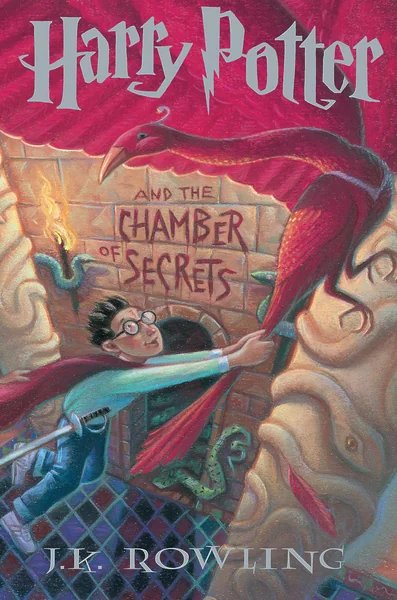
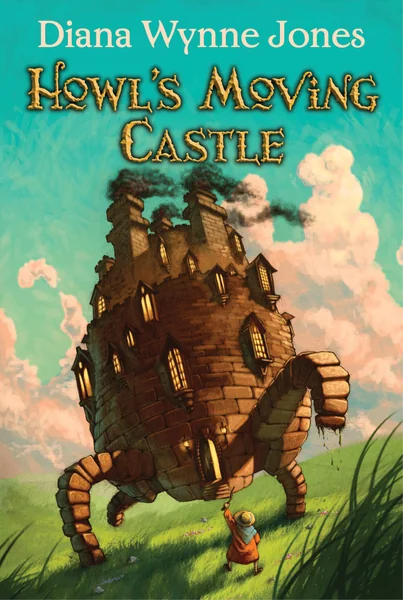
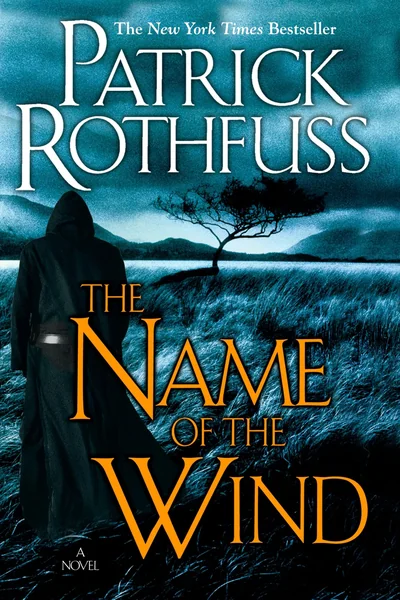
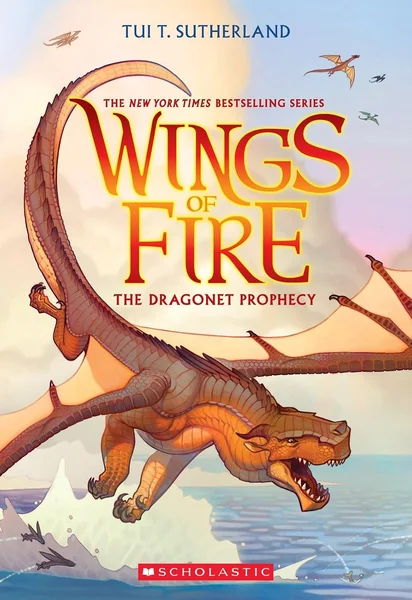
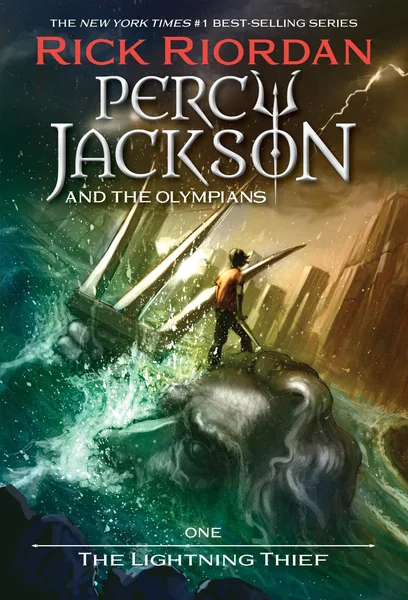
    The most direct next step is Harry Potter and the Chamber of Secrets, which continues the story at Hogwarts. For another young hero discovering a hidden magical heritage, The Lightning Thief offers a faster, myth-driven take. Howl's Moving Castle suits readers who want whimsy with sharper wit, while The Dragonet Prophecy appeals to younger fans of group adventures. The Name of the Wind is a denser, adult-leaning option for those who want magic-school ideas with more depth.
    Who should read this?
    It suits readers who want an easy, fast entry to a long-running fantasy series, plus adults returning for comfort. The favourable reviewers describe an audience that values charm, humour and rapid pacing over rigorous magic systems. A plain Scholastic paperback is aimed at grades 3 to 6, making it a straightforward gift for young readers.
    What age is it for?
    Best for ages 8 and up. The prose is clear and the story self-contained, which makes it accessible to confident young readers, and a standard paperback edition is aimed at grades 3 to 6. Younger children may still enjoy it read aloud.
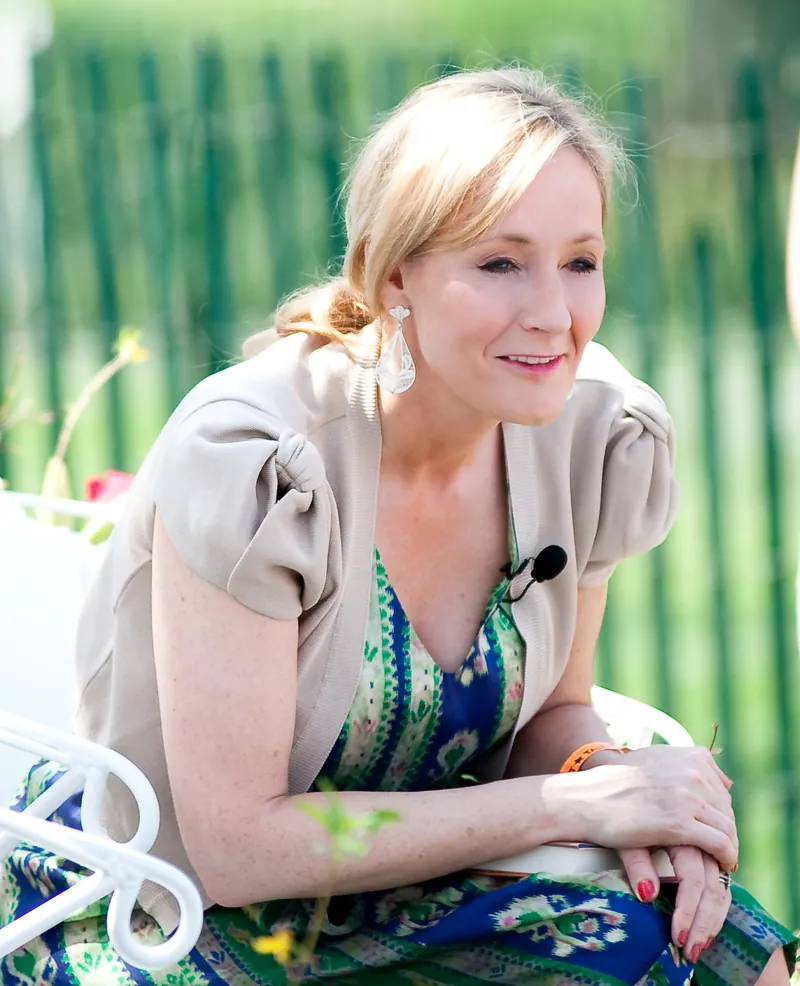
    About J. K. Rowling
    Joanne Rowling, better known by her pen name J. K. Rowling, is a British author, philanthropist, producer, and screenwriter.
    Can I read it without the rest of the series?
    Yes. It works as a self-contained first story with its own mystery and resolution, though the wider story spans seven books. It is positioned as the low-barrier starting point, so no prior reading is needed.
    Why do critics disagree about it?
    Favourable reviewers praise inventiveness and direct style, while the dissenting eyrie.org critic judges it as fantasy and finds disjointed worldmaking without unifying rules. That critic admitted a negative bias after the early hype and was told it may read better as a British school tale with supernatural elements. The disagreement is mostly about what the book is trying to be.
    Summarize this book

    Summarize this book

    Harry Potter is raised by the Dursleys in Little Whinging until his eleventh birthday, when he learns he is a wizard with a place at Hogwarts School of Witchcraft and Wizardry. There he befriends Ron Weasley and Hermione Granger, clashes with Draco Malfoy and Snape, and discovers that Lord Voldemort is trying to steal the philosopher's stone made by Nicolas Flamel. The story ends with a twist and a confrontation over the stone.

    Follow up

    Does the summary spoil the ending?
    Why are there two titles?

    Synthesized from verified book data & published reviews · How we review

    Ask LuvemBooks

    What would you like to know about Harry Potter and the Sorcerer's Stone?

    Answers come from our editorial notes on this book. If we haven't covered something, we'll say so.

    Readers often ask

    Our Review

    We review the evidence: published critics, reader verdicts and BookTube reviews, gathered and weighed with AI assistance and edited by LuvemBooks, rather than one reader's first-hand take.

    A self-contained first story that launches a series, for readers eight and up, it divides critics between warm, easy-reading enchantment and complaints about thin world-building.

    What the Story Is

    Harry Potter lives with his abusive uncle and aunt, Vernon and Petunia Dursley, and their bullying son, Dudley, in the English town of Little Whinging. On his eleventh birthday he learns he is a wizard and has a place at Hogwarts School of Witchcraft and Wizardry.
    There he meets Ron Weasley and Hermione Granger, plays quidditch, and clashes with Draco Malfoy and the teacher Severus Snape. The plot turns on the philosopher's stone, an object made by the alchemist Nicolas Flamel that can grant immortality, and on Lord Voldemort's attempt to seize it.
    The book was published in the UK in 1997 as Harry Potter and the Philosopher's Stone, and Scholastic issued it in the US the following year under its American title. The edition reviewed here is the Scholastic paperback reprint, published May 2, 2023.

    What Readers and Reviewers Praise

    The vocal.media reviewer calls it a coming-of-age story about identity and belonging, and credits it with friendship, loyalty and the battle between good and evil as its main themes. In that reviewer's reading, Harry's search for a home at Hogwarts is what gives the book its pull for readers of all ages.
    Wikipedia's summary of the contemporary press reception says most reviews were very favourable. They praised Rowling's imagination, humour, simple direct style and clever plot construction, and some commentators compared the writing to Jane Austen and Roald Dahl.
    The supposedlyfun.com blogger, rereading it fifteen years after a first read at 18, found they got lost in the book as easily as before. That reviewer credits Rowling with effortless charm and breezy wit, while also treating nostalgia as part of the pull.

    Where the Critics Push Back

    Not everyone is convinced. The reviewer at eyrie.org, writing in 2004, says plainly: "I hated this book."
    That reviewer reads it as a fantasy and finds it wanting, arguing that the wizarding world is a hodge-podge of cute ideas without unifying natural laws or cause and effect.
    The same reviewer concedes real craft: the story moves right along, the prose is clear, there is a plot twist at the end, and the book never drags. The complaint is aimed at the world-building and universe consistency, not the pacing.
    The eyrie.org reviewer also says it never poses interesting moral questions and sits at the intellectual level of a Hardy Boys book. That reviewer admits to a negative bias after the early hype and has been told Rowling is really writing a British boarding-school story with magic added, a lens through which the book might read better.
    The supposedlyfun.com blogger raises a different, smaller quibble. In that reviewer's view the plot mechanics are convenient: Quirrell takes the whole school year to get past Dumbledore's defences, and the Mirror of Erised happens to be placed where Harry can stumble on it.
    Wikipedia adds that a few early reviewers complained the final chapters seemed rushed.

    Place in Its Genre

    According to Wikipedia, some commentators thought the book looked back to Victorian and Edwardian boarding-school stories, while others thought it placed the genre firmly in the modern world through contemporary ethical and social issues and through overcoming obstacles like bullying. That split echoes the eyrie.org reviewer's point that the book may work best read as a school story.
    The supposedlyfun.com blogger notes that Dumbledore is a peripheral figure here, a wise, witty and noble presence who also serves as the novel's deus ex machina. Later books, that reviewer says, complicate how we see him.
    By Wikipedia's account the novel reached the top of the New York Times list of best-selling fiction in August 1999 and has sold in excess of 120 million copies, making it the fourth best-selling book of all time. It has also been translated into 85 other languages.

    Who It Is For

    The tags a browsing reader might search on are all in the reviews: friendship, good versus evil, a hidden magical school, and an orphan finding where he belongs. It reads as an easy, fast entry point to the series and as a comfort reread for returning fans.
    The eyrie.org dissent suggests readers who prize rigorous magic systems and a coherent, logical world may be left cold. Those who come for charm, humour and a quick, twisty mystery are the audience the favourable reviewers describe.
    A retailer listing for another edition notes the book can stand alone, though the story spans seven books. For gifting, the Scholastic reprint is a plain paperback aimed at grades 3 to 6.

    Sources & Further Reading

    The key facts and claims in this review are grounded in the retrieved, verified sources listed below.

    1. Cited in this review
    2. 1
    3. Further reading
    4. 2

      J. K. Rowling, LuvemBooks

    5. 3
    6. 4
    7. 5
    8. 6
    9. 7
    10. 8
    11. 9
    12. 10
    13. 11

      Kirkus Reviews

    Age & Reading Level

    Our age band

    Ages 8+

    Reading level

    Middle grade

    Amazon listing

    Ages 8+ (set by customers) · Grade 3–6

    Our age band groups books for browsing; it isn't an age a review gave.

    Content to know about

    orphaned child living with abusive relatives
    bullying
    peril and a villain who threatens death

    Best for: Ages 8+ — clear prose and a self-contained plot suit confident young readers, though sensitive children may want company for the villain scenes

    Skip if you want a rigorously logical magic system or a morally searching story rather than a charming, fast-moving school adventure

    J. K. Rowling on Harry Potter and the Sorcerer's Stone

    In an archival profile for CBS News Sunday Morning, J. K. Rowling discusses the inception of Harry Potter and the inspiration behind Platform 9 3/4.

    Recorded 1999 · Uploaded by CBS Sunday Morning, 2019 · Watch on YouTube ·

    More from this interview on J. K. Rowling's page →

    Logic behind Platform Nine and Three-Quarters

    Rowling explains that she wanted a secret platform between real stations, which logically required a fraction, and she settled on three-quarters simply because she liked the fraction.

    From our readers

    Reader reviews

    Be one of the first readers to answer.

    Read it? Was it right for you?

    Books like Harry Potter and the Sorcerer's Stone
    Curated picks for readers who enjoyed Harry Potter and the Sorcerer's Stone, with our reasoning for each match.

    Discussion

    Reader comments