
8 min read
Share This Review
Our review
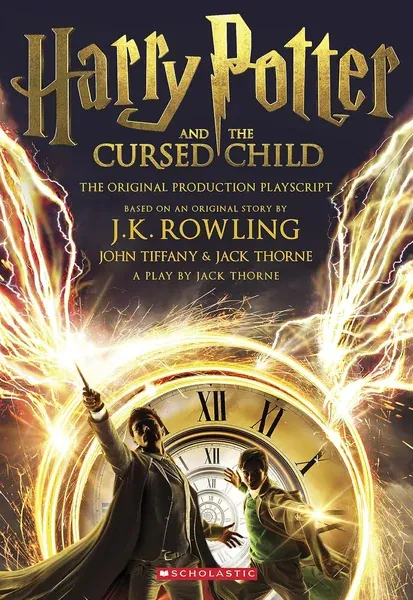
Harry Potter and the Cursed Child, Parts One and Two: The Official Playscript
Harry Potter and the Cursed Child by Rowling, Thorne & Tiffany Review: An Award-Winning Return to the Wizarding World
Harry Potter and the Cursed Child is the official playscript of the original West End production, based on an original story by J.K. Rowling, John Tiffany, and Jack Thorne, with the play written by Thorne — following Albus Severus Potter as he struggles under the weight of his father's legendary name. It earned an unprecedented nine Laurence Olivier Awards and six Tony Awards, including Best Play, cementing its place as a theatrical landmark whose printed script brings that story to the page.
LuvemBooks Verdict
Best for
Readers seeking the only canonical continuation of the Wizarding World who can engage with dramatic script format and stage directions as a literary experience.
Worth it if
Worth reading if you want to experience the full canonical story of Albus Severus Potter and his fractured relationship with Harry from the official West End production.
Skip if
Skip it if you expect novelistic prose and immersive third-person narration, as the celebrated stagecraft exists only as written direction on the page.
What readers & critics say
The production achieved an unprecedented nine Olivier Awards and six Tony Awards, while the playscript became an immediate global bestseller alongside rapturous critical reviews. Fan reception, however, remains notably polarized compared to the critical acclaim.
Sources: en.wikipedia.org, scholastic.caAsk LuvemBooks
Was this helpful?
- Is it worth reading?
- For readers who cannot attend a live production — or who want to engage with the only full canonical account of Albus Severus Potter — the playscript is the sole way to experience this story in print. The production's credentials are exceptional: nine Olivier Awards including Best New Play and six Tony Awards including Best Play represent the most decorated theatrical achievement in the property's history. The key caveat is the gap between the overwhelmingly positive critical reception of the stage production and the more polarized fan community response to the story itself, which readers of the original novels should weigh before picking it up.
- Similar books
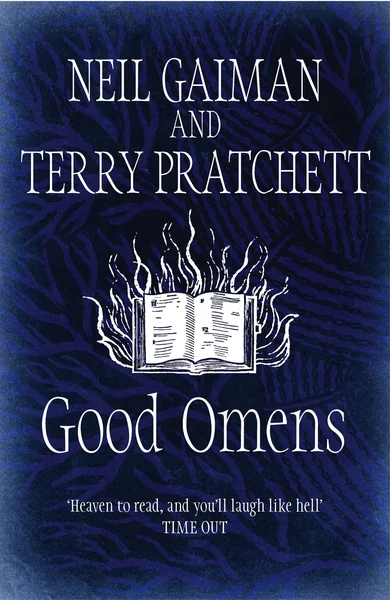
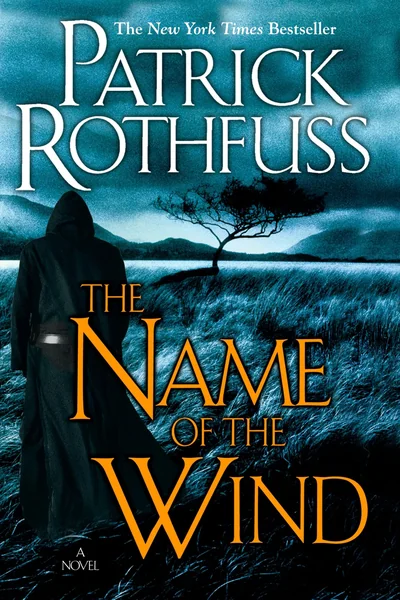
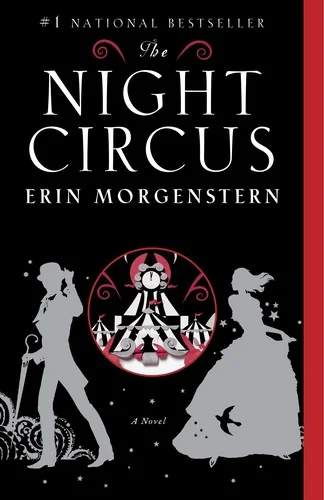
- Readers who enjoy the Wizarding World's expansion into new formats and voices may also appreciate Fantastic Beasts and Where to Find Them: The Original Screenplay by J.K. Rowling, another script-format entry into the official Wizarding World canon. For fantasy with rich world-building and a beloved magic system, The Name of the Wind by Patrick Rothfuss offers immersive, novelistic depth. Good Omens by Terry Pratchett and Neil Gaiman blends wit and fantasy in a way that appeals to readers who enjoy ensemble character dynamics and an irreverent take on established mythology. Erin Morgenstern's The Night Circus shares the theatrical, wonder-drenched atmosphere of Cursed Child's stage spectacle translated to prose, while Rainbow Rowell's Carry On offers a knowing, affectionate take on the boarding-school magic-school tradition that Hogwarts helped define.
- Who should read this?
- The playscript is essential reading for Harry Potter fans who want to engage with the only full canonical account of Albus Severus Potter and his complicated relationship with Harry — whether or not they can attend a live production. It is also well-suited to theatre enthusiasts curious about the text behind one of the most awarded productions in West End and Broadway history. Readers who approach it as a playscript rather than a novel — and who are open to a story shaped by Jack Thorne's theatrical voice as well as Rowling's world — will find the most rewarding experience.
- What age is it for?
- Best for ages 10 and up — the same broad readership as the later Harry Potter novels. The story deals with themes of parental disappointment, fractured family relationships, and the weight of inherited legacy, which are best appreciated by confident middle-grade readers and older. The script format also requires a reader comfortable with dramatic dialogue and stage directions rather than traditional prose narrative.
- Should I see the play or read the script?
- Seeing the live production offers the illusions, physical stagecraft, and choreography of magic that critics overwhelmingly praised — elements that exist on the page only as written stage directions. For readers outside a production city, or those who cannot attend a performance, the playscript is the only way to engage with the full story. The two experiences are genuinely distinct: the script is a narrative artifact and a record of a theatrical landmark, while the live show is what earned the nine Olivier Awards and six Tony Awards.
- What awards did it win?
- The original West End production at the Palace Theatre received eleven Laurence Olivier Award nominations and won nine — including Best New Play — a tally Wikipedia describes as unprecedented to this day. The Broadway production at the Lyric Theatre earned ten Tony nominations and won six, including Best Play. The worldwide productions have collectively sold over six million tickets, and the printed playscript became an immediate global bestseller upon its release alongside the West End opening in summer 2016.
Summarize this book
Follow up
Synthesized from verified book data & published reviews · How we review
What would you like to know about Harry Potter and the Cursed Child, Parts One and Two: The Official Playscript?
Answers come from our editorial notes on this book. If we haven't covered something, we'll say so.
Readers often ask
Our Review
What the Story Is and Who It Follows
Theatrical Significance and Award Record
Critical Reception Versus Fan Reception
The Playscript as a Reading Format
Who This Is For
Sources & Further Reading
The key facts and claims in this review are grounded in the retrieved, verified sources listed below.
- Cited in this review
- 1
- 2
en.wikipedia.org
- 3
- 4
- Further reading
- 5
- 6
- 7
- 8
thebooksmugglers.com
- 9
Age & Reading Level
Our age band
Ages 10+
Reading level
Middle grade
Amazon listing
Ages 10+ (set by customers) · Grade 5–6
Our age band groups books for browsing; it isn't an age a review gave.
who it suits
Best for: Ages 10+ — thematic complexity around parental legacy, identity, and fractured family relationships, plus a dramatic script format, suits confident middle-grade readers and older
Skip if you're expecting novelistic prose and the immersive narration style of the original Harry Potter novels, or if you're a devoted fan who wants the story to feel fully consistent with the original seven books
Reader reviews
Be one of the first readers to answer.
Read it? Was it right for you?
Books like Harry Potter and the Cursed Child, Parts One and Two: The Official Playscript
Curated picks for readers who enjoyed Harry Potter and the Cursed Child, Parts One and Two: The Official Playscript, with our reasoning for each match.

If you liked Harry Potter and the Cursed Child, Parts One and Two: The Official Playscript