Skip to content
Reviewed

Read Time

11 min read

Reader rating
4.6 · 3,337 Amazon ratings, as of Nov 2026
reader ratings, not a LuvemBooks score
Curated & edited by

LuvemBooks Editorial

How we create our reviews →
Share This Review
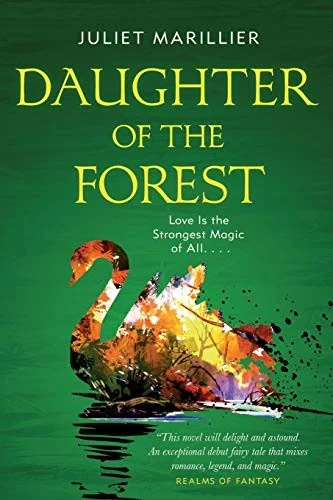
Front cover

Our review

Daughter of the Forest

Daughter of the Forest by Juliet Marillier Review: A Grounded Retelling

Juliet Marillier’s first book in the Sevenwaters trilogy reimagines the Grimm fairy tale 'The Six Swans' within early medieval Ireland. Mute heroine Sorcha endures profound trials to save her brothers, earning acclaim for its emotional depth and rich world-building.

Our age band: Ages 12+detailed physical pain · prolonged isolation

LuvemBooks Verdict

Best for

Readers seeking a mythologically grounded story with a steadfast protagonist who endures profound trauma and family loyalty will find it a rewarding read.

Worth it if

It is worth reading if you appreciate rich cultural detail and a measured pace over a fast-paced plot.

Skip if

You should skip it if you require a definitive, closed conclusion and an uncomplicated romantic pairing for your main character.

Where reviewers agree and split

Readers rate it 4.6 on Amazon. The reviews we read that discuss it in depth agree:

  • Positive

    Notre Dame Magazine · Magazine: praises the trilogy's poignant writing and deep cultural homage

  • Positive · 9.1/10

    Fantasy Book Review · Book blog: highly praises the book's world building and triumphant romantic arc

  • Positive

    Katrin Figge · Book blog: recommends the novel for its remarkable world building and emotional depth

  • Positive · ★★★★★

    Charami · Book blog: praises the book's emotional depth and powerful, lingering storytelling

  • Positive

    Blogging with Dragons · Book blog: adores the novel as a magical, engrossing all-time favorite

Overall verdicts are our summary of each review we read, from its headline, rating and conclusion.

Notre Dame Magazine and Fantasy Book Review praise Marillier’s rich detail and poignant writing, with the former calling it the most striking adaptation they have ever read. Conversely, Charami and Fantasy Book Review note the pacing is deliberate and the conclusion leaves the story unresolved.

Sources: Notre Dame Magazine, Fantasy Book Review, Charami
4.6from 3,337 Amazon ratings, as of Nov 2026— reader ratings, not a LuvemBooks score

Ask LuvemBooks

Was this helpful?

Daughter of the Forest reimagines the Grimm tale "The Six Swans" as a story where mute heroine Sorcha endures profound trials to save her six brothers. LuvemBooks finds the novel a richly textured, emotionally resonant saga best suited for readers who prioritize deep cultural detail and measured romance over quick action. However, those seeking a definitive, closed conclusion may find its deliberate pacing and unfinished finale frustrating.
Is it worth reading?
The novel delivers rich cultural detail that reviewers consistently praise. Notre Dame Magazine and Fantasy Book Review highlight its triumphant romantic arc as a major strength. It is highly recommended for readers who appreciate mythologically grounded stories. However, its deliberate pacing and abrupt conclusion may test the patience of those seeking a quick plot or definitive closure.
Who should read this?
This book is best for readers seeking a grounded story with a steadfast protagonist who faces significant trials. It is worth reading for those who appreciate rich cultural detail and a measured pace. Skip it if you require a straightforward ending and an uncomplicated romantic pairing for your main character.
What age is it for?
Best for ages 12 and up. The novel explores themes of trauma and isolation, alongside moderate romantic elements that suit confident middle-grade readers transitioning to young adult, as well as adult audiences. The complex moral landscape and historical context also reward older, more experienced readers.
About Juliet Marillier
Juliet Marillier (born in 1948) is a New Zealand-born writer of speculative fiction, predominantly historical fantasy.
How does the book handle trauma?
Marillier's depiction of trauma avoids easy resolutions, treating Sorcha’s suffering with respect rather than romanticizing it. The story balances moments of profound darkness with glimpses of hope, ensuring the emotional weight accumulates steadily throughout the story. Reviewers emphasize that the protagonist's quiet strength anchors the narrative's recovery arc.
What is the historical and mythological setting?
The novel operates firmly within a fantasy framework, anchoring its magical elements in ancient Irish culture and druidic lore. The story moves from the isolated forests of Sevenwaters to the foreign courts of the Britons, where ancient beliefs and Christian influences coexist in complex tension. The landscape itself acts as an active participant, reflecting the internal states of the protagonists and deepening the mythic quality of the narrative.
Why does the ending feel unresolved?
The conclusion is deliberately unfinished, leaving character arcs unresolved and villains vanishing before a final confrontation. This structural choice prioritizes the overarching saga and sets up the subsequent books in the trilogy, with romantic subplots concluding through implied futures rather than explicit confirmations. While some readers find this frustrating, others appreciate how it maintains the story's mythic scope over individual book closure.
Summarize this book

Summarize this book

Juliet Marillier's novel reimagines the Grimm tale "The Six Swans" as a sprawling story set in ancient Ireland. Mute heroine Sorcha flees into the wilderness after her enchantress stepmother transforms her six brothers into swans, undertaking an impossible silent quest to save them. Along the way, she navigates complex romances, political tensions between Irish clans and invading Britons, and the subtle guidance of the Fair Folk.

Follow up

Is this a standalone?
What makes the protagonist compelling?

Synthesized from verified book data & published reviews · How we review

Ask LuvemBooks

What would you like to know about Daughter of the Forest?

Answers come from our editorial notes on this book. If we haven't covered something, we'll say so.

Readers often ask

Our Review

We review the evidence: reader verdicts, gathered and weighed with AI assistance and edited by LuvemBooks, rather than one reader's first-hand take.
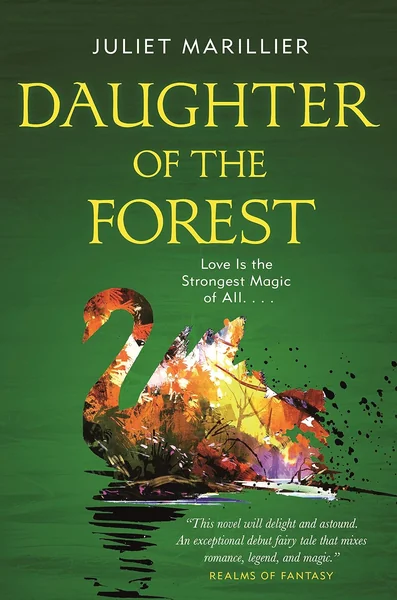
Juliet Marillier’s historical fantasy novel transforms a classic Grimm fairy tale into a sprawling saga of family loyalty, trauma, and quiet resilience.
Daughter of the Forest: Book One of the Sevenwaters Trilogy_main_0

The Premise and Plot

Sorcha, the only daughter of Lord Colum of Sevenwaters, finds her sheltered life shattered when her father marries Lady Oonagh, an enchantress who transforms Sorcha’s six brothers into swans. Left with the impossible task of spinning six shirts from painful starwort while remaining completely silent, Sorcha flees into the wilderness.
She survives with the help of the Fair Folk and her brother’s dog, Linn, but her isolation is broken when she is captured and taken to the land of the Britons. There, she encounters Hugh of Harrowfield, known as Red, and navigates a complex romance while continuing her silent quest.
The narrative follows her solitary struggle, the gradual healing of her fractured family, and the broader political tensions between the Irish clans and the invading Britons. Readers witness her endure physical pain and profound psychological strain as she clings to her vow.
Her journey requires her to balance the demands of her quest with the sudden intrusion of human connection and political conflict. The story tracks her movement from the isolated forests of Sevenwaters to the foreign courts of the Britons.
Sorcha must navigate the treacherous politics of the Britons while maintaining her vow of silence. Her captivity forces her to rely on her wits and the subtle guidance of the Fair Folk.
The plot balances intimate family drama with sweeping historical stakes. The intertwining of personal survival and national conflict drives the narrative forward.

Historical Fantasy and Folklore

The novel operates firmly within the historical fantasy genre, anchoring its magical elements in early medieval Irish culture and druidic lore. The Notre Dame Notre Dame Magazine notes that Marillier sets the tale in Sevenwaters, a territory long protected by the old faith.
Critics and readers alike appreciate how the author moves beyond a simple retelling to explore the weight of prophecy and the cyclical nature of conflict. The world-building grounds the fairy tale tropes in a tangible, historically textured landscape.
This approach makes the magic feel ancient and inevitable rather than whimsical. The text successfully weaves the original fairy tale into a larger story of generations and family legacy.
Marillier expands the scope of the Grimm source material by introducing a generational war over sacred islands. The political backdrop adds substantial gravity to the personal trials of the Sevenwaters family.
The narrative carefully distinguishes between the harsh realities of early medieval warfare and the mysterious workings of the old gods. This duality creates a rich atmosphere that defines the series.
Readers are introduced to a world where druidic traditions and Christian influences coexist in complex tension. The cultural details provide a solid foundation for the fantastical elements.
The setting functions as more than a backdrop, acting as an active participant in the characters’ development. The landscape itself reflects the internal states of the protagonists.
This environmental storytelling deepens the mythic quality of the narrative.

Critical Reception and Strengths

Notre Dame Magazine praises the trilogy's poignant writing and deep cultural homage, calling it the "most beautiful take on a classic tale I have ever read." Fantasy Book Review highly praises the book's world building and triumphant romantic arc, awarding a 9.1/10 and declaring it "nothing short of fantastic!"
Katrin Figge recommends the novel for its remarkable world building and emotional depth, noting its "finely crafted world." Charami praises the book's emotional depth and powerful, lingering storytelling, giving ★★★★★ and describing it as a "beautiful and emotional story."
Finally, Blogging with Dragons adores the novel as a magical, engrossing all-time favorite, stating they "absolutely adored Daughter of the Forest." Readers and reviewers consistently highlight Marillier’s emotional resonance and the indomitable nature of her protagonist.
Katrin Figge of Katrin Figge identifies Finbar, one of the transformed brothers, as the story’s quiet, sombre soul. She praises the author’s clear yet painful depiction of moral complexity.
The Notre Dame Notre Dame Magazine calls it the most beautiful take on the classic tale the reviewer has ever read. The romance, though slow-forming, is widely noted for its tenderness and its careful handling of Sorcha’s trauma.
Reviewers emphasize that Sorcha remains fiercely loyal to her siblings rather than abandoning her duty for romance. Her quiet strength and unwavering commitment to her family anchor the narrative.
The prose successfully captures a sense of Irish tradition and storytelling that resonates deeply with audiences. The family reunion offers emotional resonance, though reviewers note the ending remains abrupt and open-ended.
The relationship between Sorcha and her brothers forms the emotional core of the novel. Their bond survives separation, transformation, and years of silence.
Marillier’s depiction of trauma and recovery avoids easy resolutions. The narrative treats Sorcha’s suffering with respect and avoids romanticizing her pain.
The narrative carefully balances moments of profound darkness with glimpses of hope. This tonal shift keeps the story grounded despite its heavy themes.
Readers appreciate the author’s refusal to simplify the moral landscape. The characters operate within a world where choices carry irreversible consequences.
This complexity elevates the tale above standard fairy tale retellings. The emotional weight of the narrative accumulates steadily throughout the book.

Pacing, Dialogue, and Unresolved Threads

Despite its strengths, the novel draws consistent criticism for its deliberate pace and occasionally stiff prose. The reviewer at Fantasy Book Review acknowledges a slow pace and somewhat overly formal dialogue.
Charami shares this sentiment regarding the romantic conclusion.
The narrative deliberately leaves threads open to set up the subsequent books in the trilogy.
Several romantic subplots conclude with implied futures rather than explicit confirmations.
These structural choices prioritize the overarching saga over individual book closure. The pacing demands a reader willing to settle into a long, immersive journey.
The formal dialogue occasionally creates distance between the reader and the characters. Some plot threads feel underdeveloped compared to the central quest.
Despite these critiques, the novel maintains a strong emotional grip. The sacrifices required to break the curse resonate with readers.
The slow burn of the central romance requires sustained attention from the audience. Patience is necessary to fully appreciate the gradual development of trust between Sorcha and Red.
The narrative rewards this investment with a deeply satisfying emotional resolution. The quiet triumph of the protagonist ultimately overshadows the structural shortcomings.
The book remains a compelling entry point for new readers of the genre.

Is Daughter of the Forest Worth Reading?

Weighing these reviews, the book presents a distinct choice for prospective readers. It is a slow-burn character study that prioritizes emotional endurance and folklore over plot velocity.
Readers who value atmospheric world-building, complex family dynamics, and a heroine who earns her quiet triumphs through immense suffering will find it a masterpiece of the genre. Audiences looking for fast-paced adventures or neatly tied-up plotlines may find the conclusion frustrating.
The novel demands patience and patience is rewarded with a deeply moving exploration of resilience. It stands as a foundational text for fans of grounded, folklore-infused fantasy.
The narrative rewards careful readers with a profound meditation on sacrifice, love, and the enduring power of family bonds. Its legacy within the historical fantasy canon remains firmly established.
The book operates as a deliberate counterpoint to modern, plot-driven fantasy trends. Its focus on internal struggle and quiet heroism appeals to a specific readership.
Prospective readers should approach the novel as a long-term commitment rather than a quick escape. The emotional rewards accumulate steadily over the course of the story.
Marillier’s work challenges readers to sit with discomfort and uncertainty. The quiet power of Sorcha’s journey ultimately outweighs the narrative’s structural flaws.

Sources & Further Reading

The key facts and claims in this review are grounded in the retrieved, verified sources listed below.

  1. Cited in this review
  2. 1
  3. 2
  4. Further reading
  5. 3

    Juliet Marillier, LuvemBooks

  6. 4
  7. 5
  8. 6
  9. 7
  10. 8
  11. 9
  12. 10

    us.macmillan.com

  13. 11

Age & Reading Level

Our age band

Ages 12+

Reading level

Young adult

Our age band groups books for browsing; it isn't an age a review gave.

Content to know about

detailed physical pain
prolonged isolation
moderate romantic content
brief, non-graphic sex scenes

Best for: Ages 12+ — themes of profound trauma, isolation, and moderate romance suit confident YA readers and adults.

Skip if you require a definitive, closed conclusion and an uncomplicated romantic pairing

From our readers

Reader reviews

No LuvemBooks readers have answered yet.

Read it? Was it right for you?

Books like Daughter of the Forest

Curated picks for readers who enjoyed Daughter of the Forest, with our reasoning for each match.

Discussion

Reader comments