8 min read
4.8
· 35,414 Amazon ratingsShare This Review

Our review
A Storm of Swords
A Storm of Swords by George R. R. Martin Review: A Series-Defining High Fantasy Epic
A Storm of Swords is the third novel in George R. R. Martin's A Song of Ice and Fire series, set in the war-torn Seven Kingdoms of Westeros where five contenders for power clash amid threats from beyond the Wall and Daenerys Targaryen's rise with her dragons. It won the 2001 Locus Award and earned a Hugo Award nomination, and stands as the most celebrated entry in the series.
LuvemBooks Verdict
Best for
Readers already invested in the A Song of Ice and Fire series who want the instalment where Martin's epic ambition fully delivers — political intrigue, large-scale war, and some of the most consequential plot turns in modern fantasy.
Worth it if
Worth reading if you have read A Game of Thrones and A Clash of Kings and are ready for a sprawling, multi-threaded narrative where no character — hero, villain, or point-of-view figure — is truly safe.
Skip if
Skip it if you haven't read the first two books, or if you find very long novels with vast casts and no guaranteed resolutions for any single thread too demanding to sustain.
What readers & critics say
Kirkus Reviews praised the novel's "elaborate yet immaculate plotting, believable characters, and controlled, resourceful magic," while flagging the formidable length and the near-impossibility of tracking its enormous cast as genuine drawbacks. The book's award record — a 2001 Locus Award win, a 2002 Geffen Award win, and the series' first Hugo nomination — underscores the critical weight it carried at publication, as documented by Wikipedia's coverage of the title.
“The upside is impressive: a backdrop of real depth; elaborate yet immaculate plotting; believable characters; and controlled, resourceful magic.”
— Kirkus ReviewsAsk LuvemBooks
Was this helpful?
- Is it worth reading?
- For readers already invested in A Song of Ice and Fire, A Storm of Swords is the series at its most ambitious and consequential — the entry that delivers on the world-building and character work of its predecessors with genuine, irreversible narrative stakes. The Patriot News called it 'a riveting continuation of a series whose brilliance continues to dazzle,' and its award record — the 2001 Locus Award, the 2002 Geffen Award, and the series' first Hugo nomination — reflects a critical consensus that this is modern epic fantasy at its best. The caveat is real: readers who have not come through A Game of Thrones and A Clash of Kings will find the full impact significantly diminished.
- Similar books
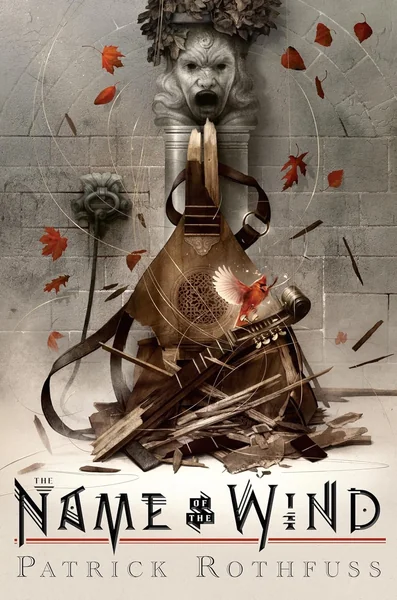
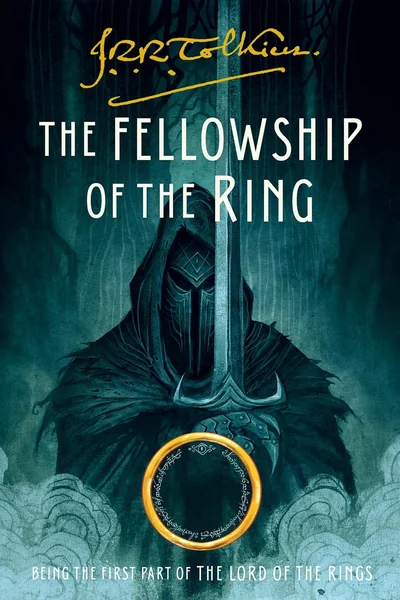
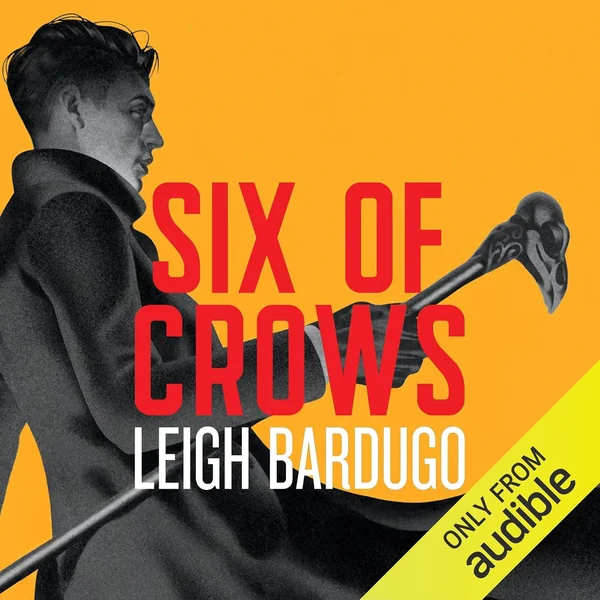
- Readers drawn to A Storm of Swords' sprawling political intrigue and high-stakes world-building should continue within the series with A Feast for Crows and revisit A Clash of Kings for the essential lead-up. Beyond Martin's own work, Brandon Sanderson's Stormlight Archive (The Way of Kings and sequels) offers comparable epic scope with meticulous world-building, while Patrick Rothfuss's The Name of the Wind delivers immersive character-driven fantasy storytelling. J.R.R. Tolkien's The Fellowship of the Ring stands as the foundational text of the genre Martin helped redefine, and Leigh Bardugo's Six of Crows offers a darker, ensemble-driven fantasy for readers who prize political maneuvering and morally complex characters.
- Who should read this?
- A Storm of Swords is essential reading for fans of epic, politically complex fantasy who have already read A Game of Thrones and A Clash of Kings — it is emphatically not a standalone entry point. It rewards readers who appreciate morally ambiguous characters, large-scale geopolitical conflict, and narratives willing to carry genuine, permanent consequences. Readers who prefer shorter, self-contained stories or who find multi-threaded, very long novels demanding may find the scope challenging. Those who have followed Robb Stark, Daenerys Targaryen, and the Lannister-Stark conflict through the first two volumes will find this the most consequential chapter of the series.
- About George R. R. Martin
- George Raymond Richard Martin, also known by the initials GRRM, is an American author, screenwriter, and television producer.
- Tell me about the adaptation
- A Storm of Swords was adapted across two full seasons of HBO's Game of Thrones: approximately the first half of the novel formed the basis for Season 3, with the second half — including the Red Wedding — driving Season 4 and elements of Season 5. The novel's density of plot and character made it one of the most dramatically rich sources in the series, and its most shocking moments became landmark television events. The current buzz around HBO's new series A Knight of the Seven Kingdoms, set in Martin's broader Westeros universe, has renewed interest in A Storm of Swords as the fan-favorite volume of the main saga.
- Why is this book trending?
- A Storm of Swords is currently trending because HBO's new series A Knight of the Seven Kingdoms — set in George R. R. Martin's Westeros universe — is generating renewed enthusiasm for everything in the A Song of Ice and Fire world. As the fan-favorite volume of the main series and home to some of fantasy's most talked-about plot moments, including the Red Wedding, A Storm of Swords is a natural focal point for readers returning to or discovering Martin's work for the first time.
- How does it compare to the other books in the series?
- A Storm of Swords is broadly regarded as the high-water mark of the A Song of Ice and Fire series — the entry that delivers the most consequential plot developments and the greatest density of character work. Its award record supports that standing: it won the 2001 Locus Award and 2002 Geffen Award, and earned the series' first-ever Hugo Award nomination, distinctions not matched by its predecessors. While A Game of Thrones established the world and A Clash of Kings expanded it, A Storm of Swords is where the narrative stakes become irreversible and the series earns its reputation as a genre-redefining work.
Summarize this book
Follow up
Synthesized from verified book data & published reviews · How we review
Press Enter to ask. Answers come from our editorial Q&A — start typing to see related questions.
Our Review
What the Novel Is and What It Does
Scale, Structure, and a Notable Division
Awards and Critical Standing
Craft and the Weight of Its Most Difficult Passages
Cultural Reach and Who This Book Is For
Sources & Further Reading
The key facts and claims in this review are grounded in the retrieved, verified sources listed below.
- Cited in this review
- 1
en.wikipedia.org
- 2
penguinrandomhouse.com
- 3
- Further reading
- 4
George R. R. Martin, Wikipedia
- 5
kirkusreviews.com
- 6
awoiaf.westeros.org
- 7
- 8
- 9
grimdarkmagazine.com
- 10
- 11
bookanalysis.com
Age & Reading Level
Recommended age
Ages 16+
Reading level
Adult
Tropes
From how readers and romance sites describe it, not our own reading.
3 content notes · who it suits
Content to know about
Best for: Adults / mature 16+ — graphic violence, mass killing events such as the Red Wedding, sexual content, and torture make this suitable only for mature readers.
Skip if you want a self-contained epic fantasy novel with a clear resolution.
Reader reviews
Be one of the first readers to answer.
Read it? Was it right for you?
Books like A Storm of Swords
Curated picks for readers who enjoyed A Storm of Swords, with our reasoning for each match.
More by George R. R. Martin
If you liked A Storm of Swords