7 min read
Share This Review
Our review
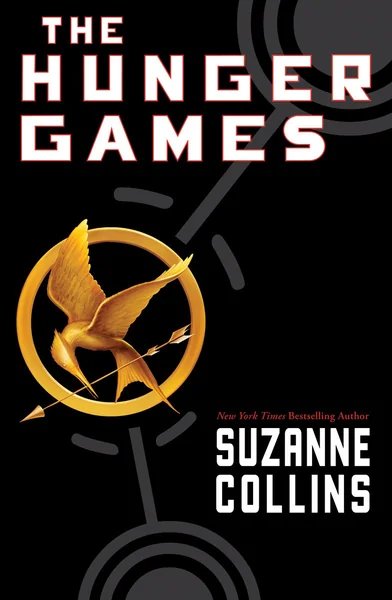
The Hunger Games
The Hunger Games by Suzanne Collins Review: A Brutal, Fast-Moving Dystopian Landmark
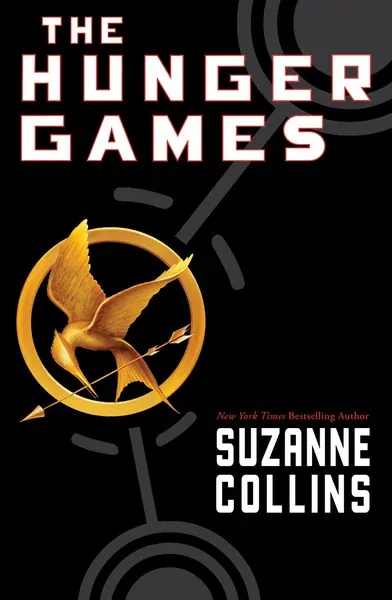
Suzanne Collins's The Hunger Games follows 16-year-old Katniss Everdeen, who volunteers to take her sister's place in a televised fight to the death in the nation of Panem. It is praised for relentless pacing, though some readers find the writing and lead uneven.
LuvemBooks Verdict
Best for
Readers who want a fast, suspense-driven dystopian survival story with a reality-TV satire edge, including teens and adults new to YA dystopia.
Worth it if
Worth reading if you want an arena survival plot with momentum and a moral question about what survival costs, and can tolerate a slower opening before the Games begin.
Skip if
Skip it if you prize lyrical prose or need a lead you feel close to, or dislike graphic violence involving children, since some readers find the dialogue unconvincing and Katniss hard to connect with.
Where reviewers agree and split
Readers rate it 4.7 on Amazon. The reviews we read that discuss it in depth split on some points:
Of the 3 reviews we read that discuss its prose, 1 likes the plain, emotional writing, but 2 find the writing confusing or flawed.
Prose
1 likes the plain, emotional writing · 2 find the writing confusing or flawed
Characters
2 enjoy the cast and dynamics · 1 finds Katniss hard to relate to
Themes
2 value the social commentary
Who says what
Prose
“Collins’s writing style combines simplicity with emotional depth”
— Madame Bookworm · Book blogCharacters
“Katniss is not a particularly sympathetic / relatable main character”
— Fantasy Book Review · Book blogThemes
“A powerful and thought-provoking novel that blends action with social critique.”
— Washburn Review · Book blogWhat readers & critics say
Kirkus Reviews praised the worldbuilding and action, while Luke Harkness called it a likely classic that launched YA dystopia to a new level but 'not perfect'. Reader reviews on Fantasy Book Review average 9.1/10 from 18 reviews, though some find Katniss unrelatable and the dialogue off.
“Impressive worldbuilding, breathtaking action, and clear philosophical concerns”
— Kirkus ReviewsAsk LuvemBooks
Was this helpful?
- Is it worth reading?
- For most readers who want pace and a pointed premise, yes. Reader polls are strongly positive, with many calling it hard to put down. The caveats are real, though: reviewers disagree about the prose and about how easy Katniss is to connect with, so expect a book carried by plot more than by style.
- Similar books
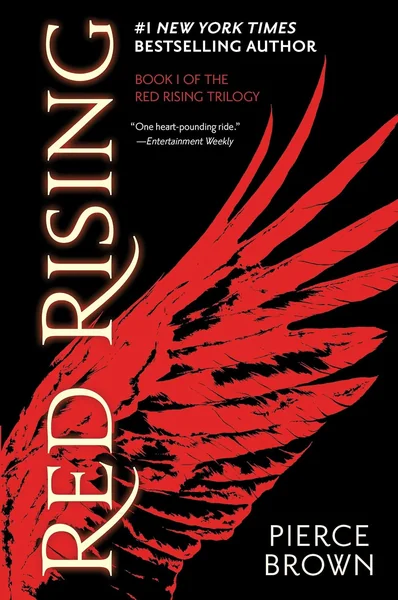
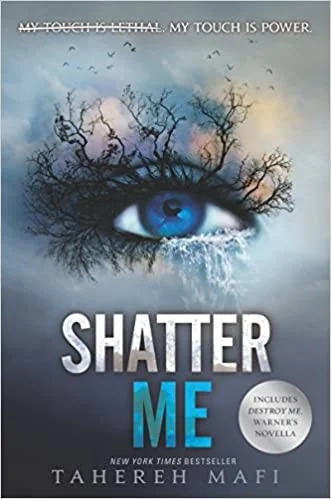
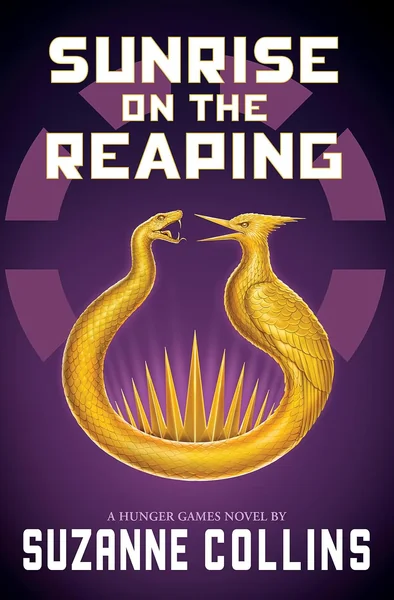
- If you want more of Panem, Catching Fire continues Katniss's story and Sunrise on the Reaping returns to the world through an earlier Games. For other dystopian rebellion stories with a young lead, Red Rising offers a harder-edged, class-stratified society, and Shatter Me trades survival-arena action for a more romance-forward dystopia.
- Who should read this?
- Readers of dystopian fiction, reality-TV satire and survival adventure are the natural fit, including teens and adults new to YA dystopia. It is a weaker match for anyone who prizes lyrical prose, needs a lead they feel close to, or dislikes graphic fighting, since the premise of children killing children is central rather than incidental.
- What age is it for?
- Best for ages 12 and up. The Scholastic paperback lists a reading age of 10+ and a seventh-grade-and-up level, but the central premise of teenagers fighting to the death on broadcast, and the brutality that follows, makes it worth a parent's consideration for the younger end of that range.
- About Suzanne Collins
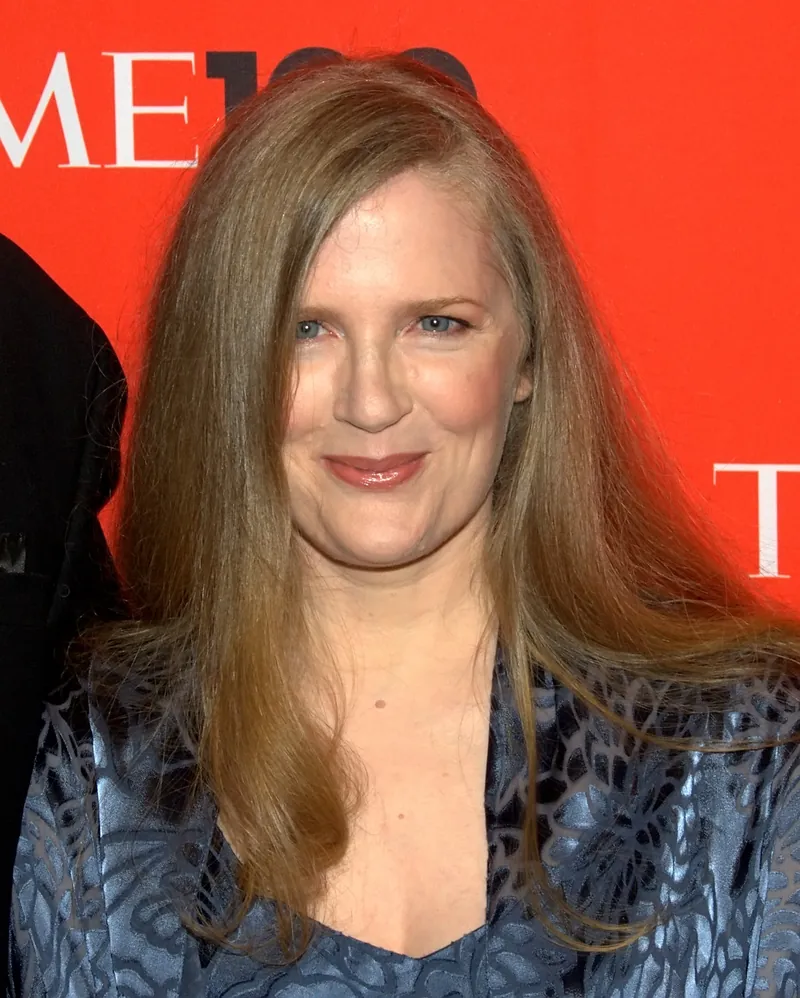
- Suzanne Collins is an American author and television writer. The Hunger Games was her dystopian debut for teens, first published in hardcover in 2008.
- Tell me about the adaptation
- A film adaptation directed by Gary Ross, with Collins as co-writer and co-producer, arrived in 2012. Having the author involved in the screenplay is part of why it tracks the book's arena story closely.
- What are the main themes?
- Reviewers read it as a critique of entertainment used as a tool of oppression, with the Capitol's opulence set against the districts' poverty. Loyalty, shown in Katniss volunteering for Prim, and the moral cost of survival run underneath the action. Two of the reviews that discuss themes value this commentary.
Summarize this book
Follow up
Synthesized from verified book data & published reviews · How we review
What would you like to know about The Hunger Games?
Answers come from our editorial notes on this book. If we haven't covered something, we'll say so.
Readers often ask
Our Review
We review the evidence: published critics, reader verdicts and BookTube reviews, gathered and weighed with AI assistance and edited by LuvemBooks, rather than one reader's first-hand take.
What happens
Where it comes from and why it matters
What readers say it does well
Where it divides readers
Who it is for
Sources & Further Reading
The key facts and claims in this review are grounded in the retrieved, verified sources listed below.
- Cited in this review
- 1
researchguides.gonzaga.edu
- 2
- 3
en.wikipedia.org
- Further reading
- 4
Suzanne Collins, LuvemBooks
- 5
en.wikipedia.org
- 6
- 7
shop.scholastic.com
- 8
- 9
bradfield-nsw.libguides.com
- 10
suzannecollinsbooks.com
- 11
seattlepi.com
- 12
fantasybookreview.co.uk
- 13
- 14
- 15
Age & Reading Level
Recommended age
Ages 12+
Reading level
Young adult
4 content notes · who it suits
Content to know about
Best for: Ages 12+ — the central premise and arena violence suit mature young readers, though the publisher lists a reading age of 10+
Skip if you dislike graphic fighting or want a lyrical, character-intimate read rather than a plot-driven survival story
Reader reviews
Be one of the first readers to answer.
Read it? Was it right for you?
Books like The Hunger Games
Curated picks for readers who enjoyed The Hunger Games, with our reasoning for each match.
More by Suzanne Collins
If you liked The Hunger Games