BOOKS
Published

Read Time

9 min read

Reader rating

4.8

· 2,064 Amazon ratings
reader ratings, not a LuvemBooks score
Curated & edited by

LuvemBooks Editorial

How we create our reviews →
Share This Review

Gullah Geechee Home Cooking by Emily Meggett Review: A Landmark Cookbook and Living History

Gullah Geechee Home Cooking: Recipes from the Matriarch of Edisto Island is the first major cookbook dedicated to Gullah Geechee cuisine, authored by Emily Meggett, a lifelong resident of Edisto Island, South Carolina, and a respected elder of her community. Published by Abrams Books in April 2022, it became a New York Times bestseller and an NPR Best Book of the Year, combining heirloom recipes rooted in West African and American culinary traditions with Meggett family history stretching back into the 19th century. This review assesses the book's content, organisation, and published reception — not a kitchen test.
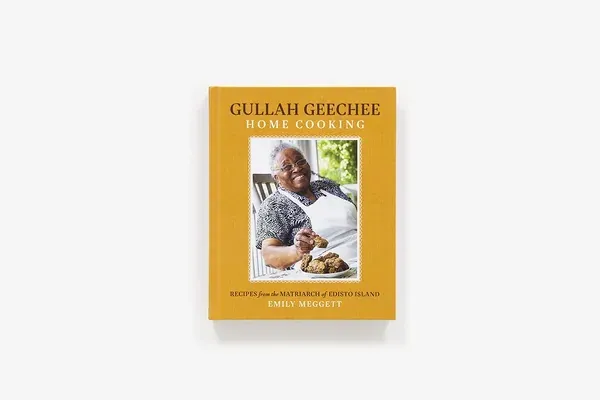
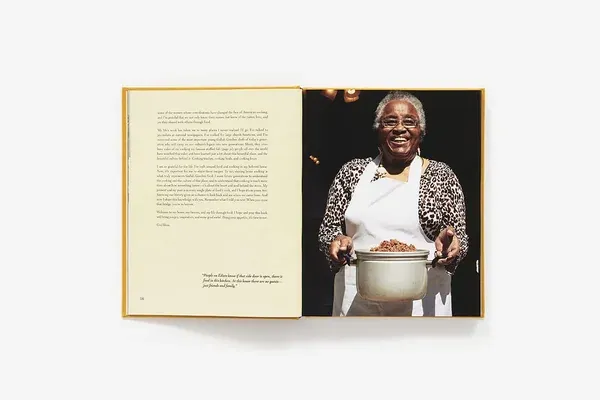
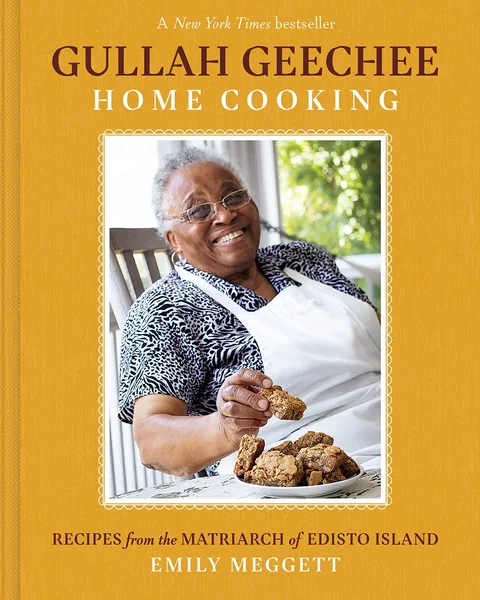
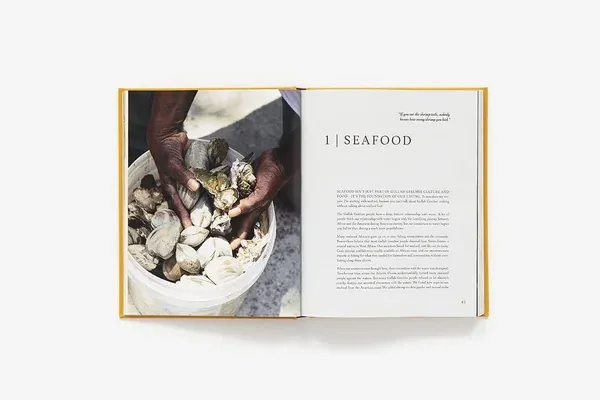
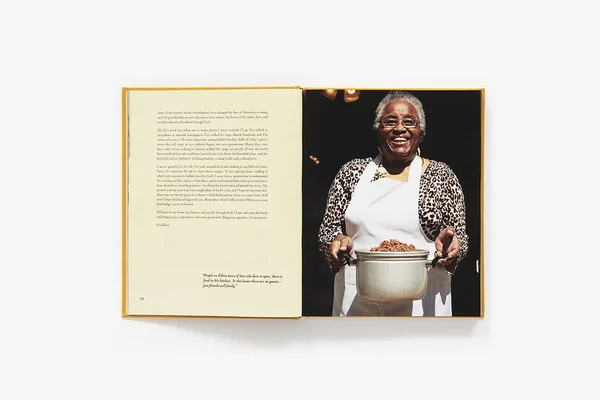
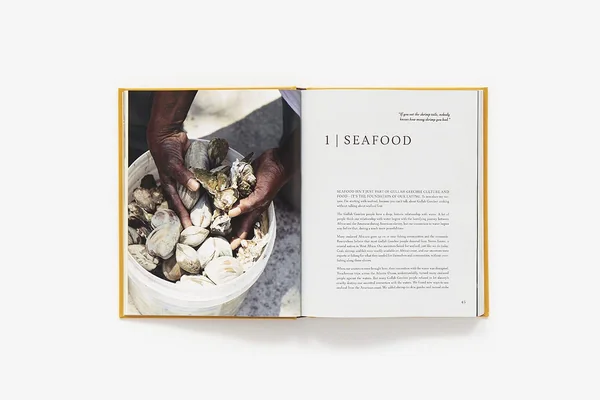
Front cover featuring the author's photograph and the book title on a golden yellow background.Interior spread featuring a recipe page with text on the left and a portrait photograph of the author holding a large pot of food on the right.Interior spread showing a seafood chapter opening with hands holding a bowl of shellfish and accompanying text.Tap to enlarge

LuvemBooks Verdict

Best for

Readers passionate about American culinary heritage, Southern food history, or the African roots of American cooking who want both a practical recipe collection and a richly documented cultural record of the Gullah Geechee community of Edisto Island.

Worth it if

You want to engage with the story behind the food as fully as the food itself — this is a landmark work of culinary preservation authored by a lifetime master of her tradition, and it rewards readers who bring that curiosity to the table.

Skip if

You're looking for a streamlined weeknight cooking resource — the book's deep cultural and historical context, combined with regionally specific ingredients like heirloom rice and fresh-caught Sea Island seafood, asks more of readers than a purely instructional cookbook would.

The book is a New York Times bestseller and NPR Best Book of the Year, according to Barnes & Noble, with storeybookreviews.com and edistomuseum.org describing it as "the preeminent Gullah cookbook" and a "testament to the syncretism of West African and American cultures." Abrams Books records critical praise calling it "that rare cookbook that interweaves the personal, historical, and cultural," while Cavalier House Books highlights how it illuminates Gullah foodways as "the very roots of so much American cooking."

Sources: Barnes & Noble, Storey Book Reviews, Edisto Island Museum, Abrams Books, Cavalier House Books
4.8from 2,064 Amazon ratings— reader ratings, not a LuvemBooks score

Age & Reading Level

Recommended age

Adult

Reading level

Adult

Skip if you want a purely instructional weeknight cookbook with no cultural or historical depth.

In This Review
  • What Works & What Doesn't
  • What the Book Is and What It Contains
  • Historical and Cultural Significance
  • Reception and Recognition
  • Strengths of the Book's Design and Scope
  • Who This Book Is For and Where It Has Limits

What Works & What Doesn't

What Works
  • The first major cookbook devoted to Gullah Geechee cuisine, filling a long-standing gap in American food publishing
  • A New York Times bestseller and NPR Best Book of the Year, reflecting broad critical and popular recognition
  • Pairs recipes with Meggett family history stretching back to the 19th century, grounding every dish in its cultural context
  • Photography by Clay Williams spans food, people, and the landscapes of Edisto Island, situating the cuisine within its living community
  • Draws on Emily Meggett's lifetime of cooking on Edisto Island, making it an authoritative primary source on Gullah Geechee foodways
What Doesn't
  • Key ingredients — such as heirloom rice and certain fresh-caught seafood — reflect a specific regional pantry that may require extra sourcing effort for cooks outside the South Carolina Lowcountry
  • The book's dual focus on history and recipes means it functions as a cultural document as much as a practical cooking guide, which may not suit readers seeking a purely instructional cookbook
Gullah Geechee Home Cooking is a landmark cookbook that belongs on the shelf of anyone serious about American culinary heritage — the first major volume to bring Gullah Geechee cuisine to a wide audience.

What the Book Is and What It Contains

Gullah Geechee Home Cooking is a recipe-driven hardcover cookbook rooted in the culinary world of Edisto Island, South Carolina, authored by Emily Meggett — known in her community as the island's matriarch. At the time of publication Meggett was 87 years old and the grandmother and great-grandmother of more than 50 descendants, and she had spent her entire life cooking on Edisto Island, frequently preparing meals for hundreds of guests from her home kitchen. The recipes centre on the staple ingredients of Gullah Geechee cooking: heirloom rice, fresh-caught seafood, local game, and vegetables. Regional dishes such as fried oysters, collard greens, and stone-ground grits are among the recipes documented in its pages. Alongside the food, the book weaves in passages of Meggett family history on Edisto Island, a record that reaches back into the 19th century. Contributors Kayla Stewart and Trelani Michelle supported the project, and photographer Clay Williams's work — capturing the food, people, and landscapes of Edisto Island — runs throughout the volume.
a testament to the syncretism of West African and American cultures that makes her home of Edisto Island so unique.
Front cover featuring the author's photograph and the book title on a golden yellow background.

Historical and Cultural Significance

This is, by the account of multiple sources including Barnes & Noble and Powell's, the first major Gullah Geechee cookbook — a designation that carries real weight. The Gullah and Geechee people are descendants of enslaved West Africans who, because of their geographic isolation on the Sea Islands of coastal South Carolina and Georgia, maintained a distinct language, culture, and culinary tradition over centuries. That tradition, as Edisto Island Museum describes it, represents a syncretism of West African and American cultures that is both singular and underrepresented in the broader canon of Southern food writing. Meggett's book arrives as an act of preservation as much as instruction, giving published form to recipes and family knowledge that have long circulated only within the community. The result is described by the Edisto Island Museum as "a testament to the syncretism of West African and American cultures that makes her home of Edisto Island so unique."
Interior spread featuring a recipe page with text on the left and a portrait photograph of the author holding a large pot of food on the right.

Reception and Recognition

The book's reception has been exceptionally strong. It became a New York Times bestseller and was named an NPR Best Book of the Year — two of the more meaningful benchmarks in American publishing. The Smithsonian's own retail channel stocks the title, reflecting institutional recognition of its cultural value. The Edisto Island Museum calls it "the preeminent Gullah cookbook," a characterisation echoed in the book's standing as the first major volume of its kind. Meggett herself passed away in 2023, lending the book additional significance as the fullest published expression of her life's knowledge and her community's foodways.
Interior spread showing a seafood chapter opening with hands holding a bowl of shellfish and accompanying text.

Strengths of the Book's Design and Scope

The cookbook is structured to serve readers on two levels simultaneously: as a practical recipe collection and as a document of community history. The recipes are organised around ingredients and dishes native to the Sea Islands' geography and seasonal rhythms, grounding them in a specific place and way of life rather than presenting them as abstracted techniques. The inclusion of Meggett family history — stretching across generations on Edisto Island — gives the recipe sections context that a purely instructional cookbook would lack. Clay Williams's photography is present throughout, encompassing not just food but also the people and landscapes of Edisto Island, situating each dish within its living cultural environment. The Smithsonian store's description notes that the book is "rich in both flavor and history," a phrase that captures the dual register the book is designed to operate in.
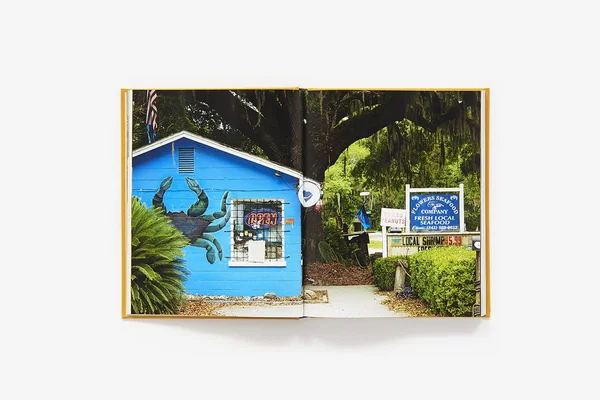
Two-page spread featuring a blue cottage with crab mural and local business signage from Edisto Island.

Who This Book Is For and Where It Has Limits

Readers drawn to Southern food history, Sea Island culture, or the African roots of American cooking will find Gullah Geechee Home Cooking especially rewarding, but the book is not narrowly academic — it is built around real recipes designed to be cooked. That said, some ingredients central to Gullah Geechee cooking, such as heirloom rice varieties and specific fresh-caught seafood, reflect a regional pantry that cooks far from the South Carolina coast may need to source with some effort. The book's depth of historical and cultural context, while one of its defining strengths, also means it is more than a weeknight recipe resource — it asks readers to engage with the story behind the food as fully as the food itself. For anyone willing to meet it on those terms, it represents an irreplaceable addition to the American cookbook canon.

Sources & Further Reading

The key facts and claims in this review are grounded in the retrieved, verified sources listed below.

  1. Cited in this review
  2. 1
  3. 2
  4. 3
  5. 4

    smithsonianstore.com

  6. Further reading
  7. 5
  8. 6
  9. 7
  10. 8
  11. 9
  12. 10
  13. 11
  14. 12
  15. 13