At a glance
About the Author
Sir Arthur Conan Doyle2 books reviewed
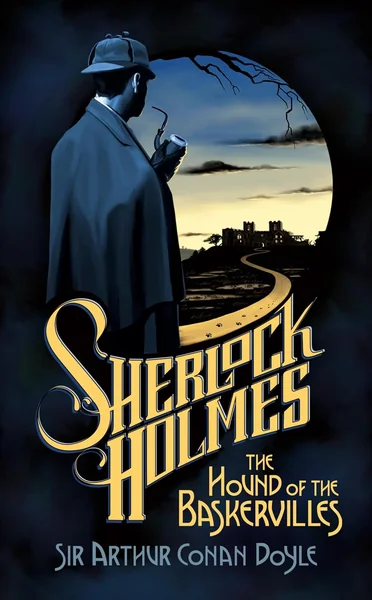
The Hound of the Baskervilles
by Sir Arthur Conan Doyle
LuvemBooks Verdict
Best for: Readers new to Sherlock Holmes — or returning fans — who want the most celebrated Holmes novel in an affordable, portable mass-market edition with a professional critical afterword by Anne Perry to frame its place in the mystery tradition.
Worth it? Skip it? Read the full verdict →Ask LuvemBooks
Was this helpful?
- Is it worth reading?
- For virtually any reader with an interest in detective fiction, classic literature, or Gothic suspense, The Hound of the Baskervilles is an essential read — its reputation as the most famous Sherlock Holmes story has held across more than a century of readers and adaptations. The novel's genius lies in placing Holmes's ruthlessly rational method in direct confrontation with an atmosphere engineered to make the irrational feel terrifyingly real. The Signet Classics edition adds Anne Perry's afterword, giving readers professional critical context that elevates it beyond a bare-text reprint. The key caveat is for those seeking scholarly apparatus or a premium physical edition — this mass-market paperback prioritises accessibility over annotation or deluxe production.
- Similar books
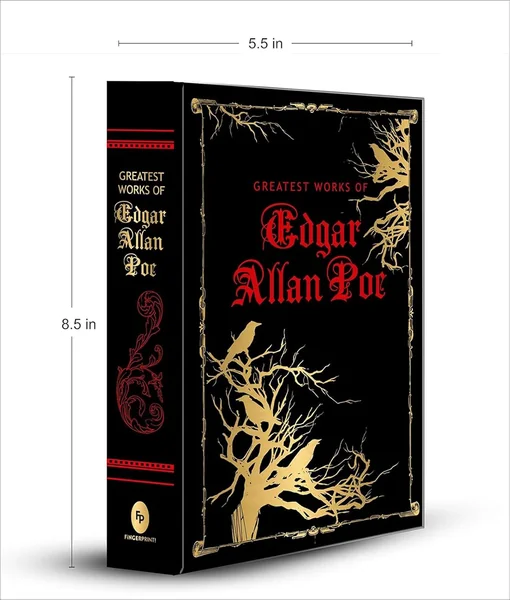
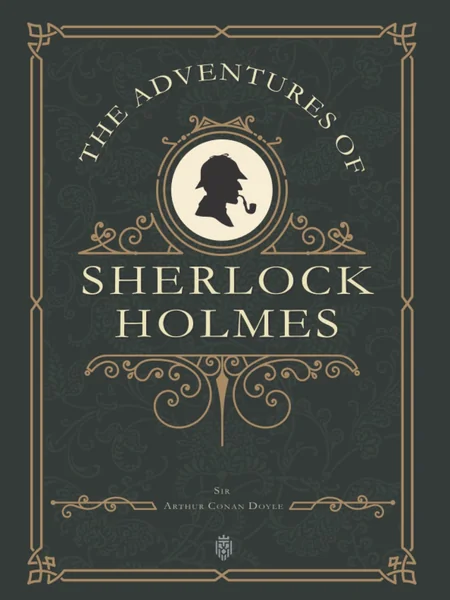
- Readers who love The Hound of the Baskervilles will find rich territory in several directions. Doyle's own The Adventures of Sherlock Holmes offers a collection of Holmes short stories that showcase the same razor-sharp detective method in shorter, varied cases. For 19th-century mystery with Gothic atmosphere, Wilkie Collins's The Moonstone is a natural companion — often cited as a foundational text of detective fiction. The Greatest Works of Edgar Allan Poe explores the Gothic and macabre tradition that clearly shadows Dartmoor's moors. Umberto Eco's The Name of the Rose channels Holmesian ratiocination into a medieval murder mystery. And Agatha Christie's And Then There Were None demonstrates how the Golden Age mystery — built on the foundations Doyle laid — reached its own heights of suspense.
- Who should read this?
- This Signet Classics edition is ideal for general readers, students, and Holmes newcomers seeking a complete, affordable, and portable text of Doyle's most iconic novel. It is equally strong for returning readers who want a clean reading copy rather than a collector's edition. Fans of Gothic literature, classic detective fiction, and Victorian atmosphere will find it particularly rewarding. Academic readers or collectors who require footnotes, period illustrations, or textual annotations should seek a scholarly or illustrated edition instead.
- How does it compare to The Adventures of Sherlock Holmes?
- Where The Adventures of Sherlock Holmes is a short-story collection that showcases Holmes's method across a range of varied, self-contained cases, The Hound of the Baskervilles is a sustained novel-length investigation with a single, escalating mystery at its centre. The novel's greatest structural innovation is keeping Holmes largely absent from the middle sections, leaving Watson as the reader's sole guide on Dartmoor — a choice that generates far greater suspense than the short stories typically achieve. Both are excellent entry points to Doyle, but The Hound of the Baskervilles is the more immersive and atmospheric of the two.
- Is this a good book club pick?
- The Hound of the Baskervilles is a strong book club selection, offering rich discussion material across multiple angles: the tension between rationalism and superstition, the divided narrative structure that sidelines Holmes in favour of Watson, and the novel's sustained Gothic atmosphere set against Doyle's rigorous detective plotting. Anne Perry's afterword in this Signet Classics edition provides professional critical context that can anchor group conversation in the broader mystery tradition. Its manageable length and century-long reputation also make it easy to frame as a shared cultural landmark rather than a niche or challenging read.
- Tell me about the adaptations
- The Hound of the Baskervilles is one of the most frequently adapted works in the Holmes canon, with dozens of film and television versions produced across more than a century. The 1939 film starring Basil Rathbone as Holmes and Nigel Bruce as Watson is among the most iconic, widely credited with defining the visual image of Holmes for mid-20th-century audiences. Peter Cushing and Christopher Lee starred in a celebrated 1959 Hammer Horror adaptation, and the BBC has produced multiple television versions, including a notable 1982 production with Tom Baker. The novel's Gothic atmosphere has made it particularly well-suited to screen adaptation, with each version inevitably highlighting different facets of the Dartmoor setting and the relationship between Holmes and Watson.
Summarize this book
Follow up
Synthesized from verified book data & published reviews · How we review
Press Enter to ask. Answers come from our editorial Q&A — start typing to see related questions.
Age & Reading Level
Recommended age
Adult
Reading level
Adult
who it suits
Skip if you want a fast-paced modern thriller without Victorian prose or Gothic atmosphere
Editorial Review
The Hound of the Baskervilles: 150th Anniversary Edition (Signet Classics) presents Sir Arthur Conan Doyle's most celebrated Sherlock Holmes novel — in which Holmes and Dr. John Watson investigate the death of Sir Charles Baskerville and the legend of a monstrous hound haunting his family — alongside an afterword by bestselling mystery writer Anne Perry.…
Read the Full ReviewBooks like The Hound of the Baskervilles
Curated picks for readers who enjoyed The Hound of the Baskervilles, with our reasoning for each match.
More by Sir Arthur Conan Doyle