At a glance
About the Author
Edgar Allan Poe1 book reviewed
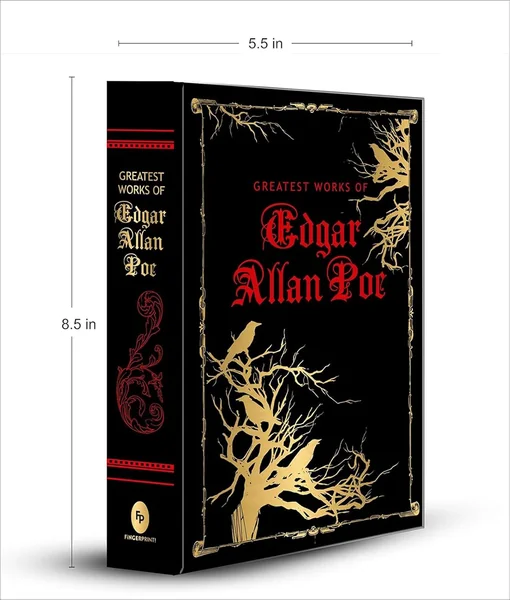
Greatest Works of Edgar Allan Poe
by Edgar Allan Poe
LuvemBooks Verdict
Best for: First-time Poe readers who know him by cultural osmosis and want the canonical stories and poems — The Tell-Tale Heart, The Raven, The Murders in the Rue Morgue — in one durable, gift-worthy hardcover.
Worth it? Skip it? Read the full verdict →Preview the book


Ask LuvemBooks
Was this helpful?
- Is it worth reading?
- Yes — with one clearly stated caveat. The strength of any Poe anthology is Poe, and this selection covers the essential ground: "The Tell-Tale Heart" remains the template for the unreliable narrator unraveling under guilt, "The Raven" anchors his popular image, and "The Murders in the Rue Morgue" gives the volume historical weight as the founding text of detective fiction. What the edition offers is not novelty — these texts are public domain and available everywhere — but convenience and presentation in a durable 516-page hardcover. The caveat: this assessment rests on stated contents and published descriptions, not first-hand inspection, so the physical quality of the "deluxe" package is unverified.
- Similar books
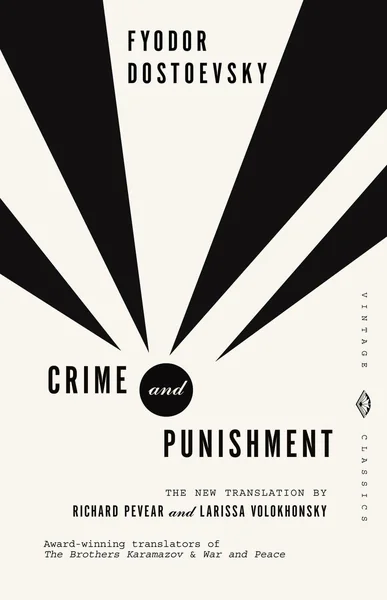
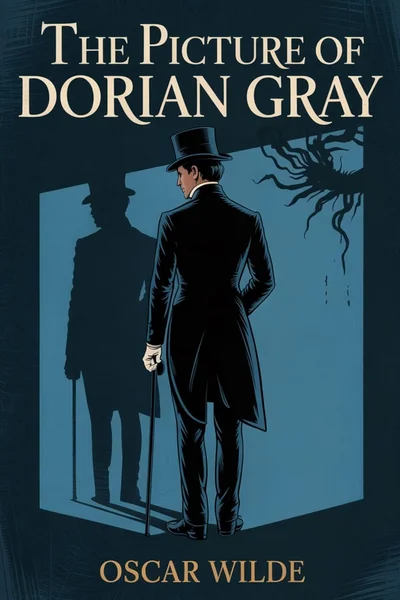
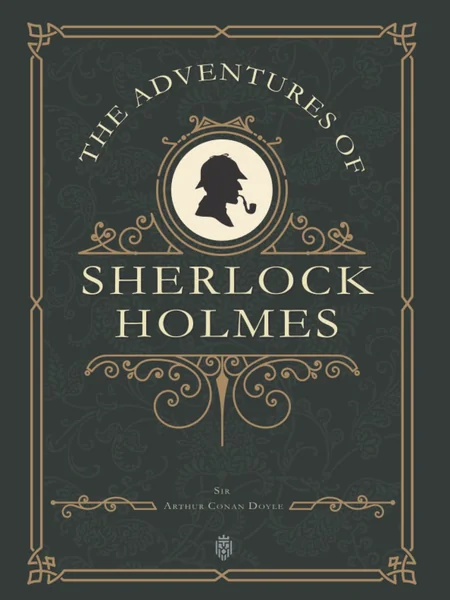
- Readers drawn to Poe's Gothic atmosphere should look to Oscar Wilde's The Picture of Dorian Gray, another nineteenth-century classic of beauty, corruption, and psychological dread. Because "The Murders in the Rue Morgue" founded the detective genre, Sir Arthur Conan Doyle's The Adventures of Sherlock Holmes is the natural next step — the form's most famous flowering. For more Poe himself, The Narrative of Arthur Gordon Pym of Nantucket is his only novel; and Mary Shelley's Frankenstein and Shirley Jackson's The Haunting of Hill House extend the tradition of Gothic and psychological horror this anthology anchors.
- Who should read this?
- The review identifies two audiences squarely. The first is the newcomer — someone who knows Poe by cultural osmosis, the raven and the beating heart, and wants the actual texts gathered in one durable volume without navigating a critical edition. The second is the gift-buyer or collector who wants Poe on the shelf in a presentable hardcover, the market the publisher addresses when it calls the volume a must-have for literary collectors. Returning readers who want the major works gathered rather than scattered across paperbacks are also well served; completists and annotation-seekers are not.
- What age is it for?
- Best for ages 13 and up, through adults. The review notes that Poe's prose is dense and nineteenth-century in its rhythms, which demands a patient reader, while the horror is psychological rather than graphic — making the collection well suited to patient teen readers as well as adults. The themes are dark — madness, obsession, premature burial, the death of women — but rendered through atmosphere and unreliable narration rather than explicit content.
- Is the deluxe edition worth it?
- LuvemBooks' honest scope statement applies: the review is based on the edition's stated contents and published descriptions, not a first-hand inspection of the physical book. Fingerprint plainly intends the physical object to be part of the purchase proposition, but no verified information about interior design, typography, illustration, or production quality is available — and guessing would be a disservice. Buyers for whom the "deluxe" promise is the deciding factor should examine a copy or detailed buyer photographs before committing; those buying chiefly for the text can proceed with confidence, since the contents are unimpeachable.
- Where should I start with Poe?
- This volume is itself the recommended starting point — the review calls it a sensible entry point and a natural single-volume introduction for first-time readers. Within it, "The Tell-Tale Heart" is the most accessible doorway, a short, propulsive study of guilt; "The Raven" is the poem that made Poe famous in his lifetime; and "The Murders in the Rue Morgue" shows him inventing the detective story outright. From there, the 516-page selection carries a new reader well past the famous pieces into the broader body of work.
- Do Poe's stories still hold up?
- Emphatically, on the evidence of this collection. More than a century and a half after Poe's death, these works still function exactly as designed — they were built to unsettle, and they do. "The Tell-Tale Heart" remains the template for the unreliable narrator, "The Raven" still anchors his popular image, and detective fiction as a form descends from "The Murders in the Rue Morgue," giving the stories historical weight beyond atmosphere. The prose is dense and period-flavored, but the psychological machinery underneath it — guilt, obsession, dread — has not dated.
Summarize this book
Follow up
Synthesized from verified book data & published reviews · How we review
Press Enter to ask. Answers come from our editorial Q&A — start typing to see related questions.
Age & Reading Level
Recommended age
Ages 13+
Reading level
Adult
4 content notes · who it suits
Content to know about
Best for: Teens 13+ and adults — dense nineteenth-century prose rewards patient readers; the horror is psychological rather than graphic
Skip if you want annotated, critically framed texts or a truly complete Poe — this is an unannotated curated selection
Editorial Review
Fingerprint's deluxe hardbound anthology gathers Poe's essential stories and poems — "The Tell-Tale Heart," "The Raven," "The Murders in the Rue Morgue" — in a single 516-page volume. The contents are unimpeachable; the deluxe physical package itself we could not inspect first-hand.
Read the Full ReviewBooks like Greatest Works of Edgar Allan Poe
Curated picks for readers who enjoyed Greatest Works of Edgar Allan Poe, with our reasoning for each match.
If you liked Greatest Works of Edgar Allan Poe