Skip to content
Reviewed

Read Time

7 min read

Our age bandAdult
Reader rating
4.7 · 44,480 Amazon ratings, as of Nov 2026
reader ratings, not a LuvemBooks score
Curated & edited by

LuvemBooks Editorial

How we create our reviews →
Share This Review
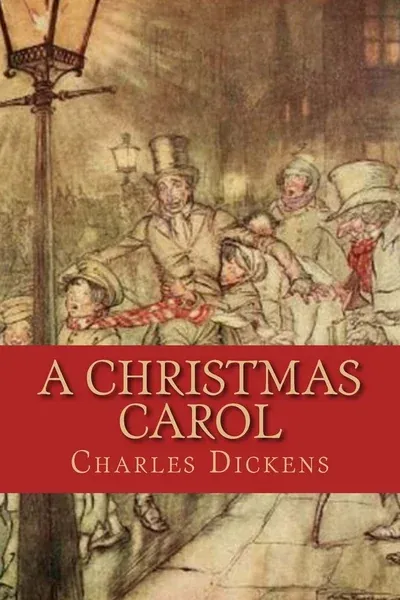
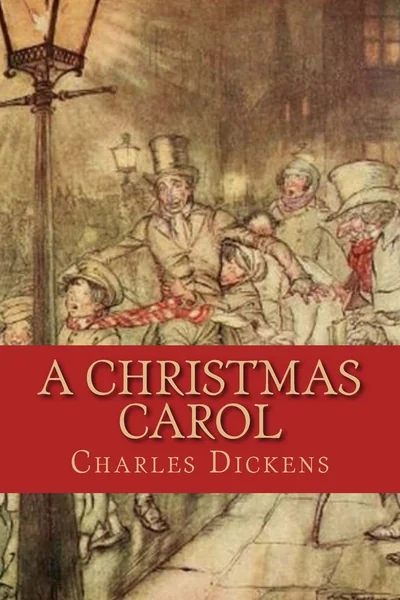
A Christmas Carol by Charles Dickens front cover

Our review

A Christmas Carol

A Christmas Carol by Charles Dickens Review: A Masterful Ghost Story

Charles Dickens’ 1843 novella follows miser Ebenezer Scrooge as three ghostly visitors force him to confront his past and future. Its enduring power lies in its masterful prose and sharp social commentary, though its rapid conclusion and archaic language may test modern readers.

Our age band: Adultpoverty and class division · supernatural terror

LuvemBooks Verdict

Best for

Readers seeking a masterclass in atmospheric Victorian prose and foundational holiday folklore will find its vivid imagery and moral urgency deeply rewarding.

Worth it if

Worth reading if you appreciate tightly woven social critique delivered through a rapid, spirit-guided narrative structure.

Skip if

Skip it if you prefer slow-burn psychological character studies over a compact novella that prioritizes thematic impact over gradual development.

Where reviewers agree and split

Readers rate it 4.7 on Amazon. The reviews we read that discuss it in depth agree:

  • Positive

    Londonist · Book blog: celebrates the book as a timeless classic

  • Positive

    George L Thomas · Book blog: highly praises the book as a comforting classic

  • Positive

    Writer In A Hat · Book blog: praises the prose and joyful reading experience

  • Positive

    Good Clean Reads · Book blog: recommends the book for its wonderful writing

Only Writer In A Hat and Good Clean Reads discuss its prose: both praise its vivid imagery and joy to read.

  • Prose

    2 praise its vivid imagery and joy to read

  • Themes

    2 praise its moral weight and social commentary

Prose

Praise

“Dickens’ prose is an absolute joy to read and to listen to.”

— Writer In A Hat · Book blog
Praise

“His writing isn’t super elegant, but he is able to make words do things and create images you wouldn’t necessarily expect.”

— Good Clean Reads · Book blog

Themes

Praise

“The moral aspect of A Christmas Carol isn’t preachy. In fact, though it’s what the entire book is about, it’s tied it very nicely.”

— Good Clean Reads · Book blog
Praise

“Deftly woven social commentary about the state of the country – and in particular, London – at the time Dickens wrote the book.”

— George L Thomas · Book blog
Overall verdicts are our summary of each review we read, from its headline, rating and conclusion. Topic counts use only words we can quote (3 reviews: 3 book blogs).

Modern reviewers and historical critics consistently praise Dickens’s vivid prose and the novella’s enduring moral weight, with The Atlantic calling it uniquely saturated with its subject and Writer In A Hat highlighting its joyful writing. While the festive fable remains universally beloved for its social commentary, Londonist notes its dense, bombastic tone and pointed sermonizing.

“thoroughly saturated with the spirit of its subject”

— The Atlantic
Sources: Londonist, Writer In A Hat, The Atlantic, Efsunland
4.7from 44,480 Amazon ratings, as of Nov 2026— reader ratings, not a LuvemBooks score

Ask LuvemBooks

Was this helpful?

George L Thomas notes that A Christmas Carol is the quintessential Christmas ghost story, and as you read the book you are transported to Victorian London; he highly praises it as a comforting classic and gives it full marks. While its rapid denouement and dense nineteenth-century phrasing may test modern patience, the novella’s vivid imagery makes it deeply rewarding for readers who appreciate classic literature.
Is it worth reading?
Yes, it rewards readers willing to look past its age. The novella’s tightly woven prose makes it a vital text, though readers seeking a psychological character study may find the swift resolution and dense historical phrasing challenging.
Similar books
Readers drawn to its blend of supernatural terror will appreciate Victor Hugo’s The Hunchback of Notre-Dame and Oscar Wilde’s The Picture of Dorian Gray. For those interested in sharp societal commentary delivered through concise narratives, George Orwell’s Animal Farm and Leo Tolstoy’s The Death of Ivan Ilyich are also compelling reads.
Who should read this?
Best suited for readers seeking Victorian literature. It also appeals to those who appreciate its rapid, spirit-guided plot rather than gradual character development.
What age is it for?
Written for adults, though confident teen readers can access it. Phrasing and haunting imagery require patience and maturity, making it more suitable for readers comfortable with classic literature.
About Charles Dickens
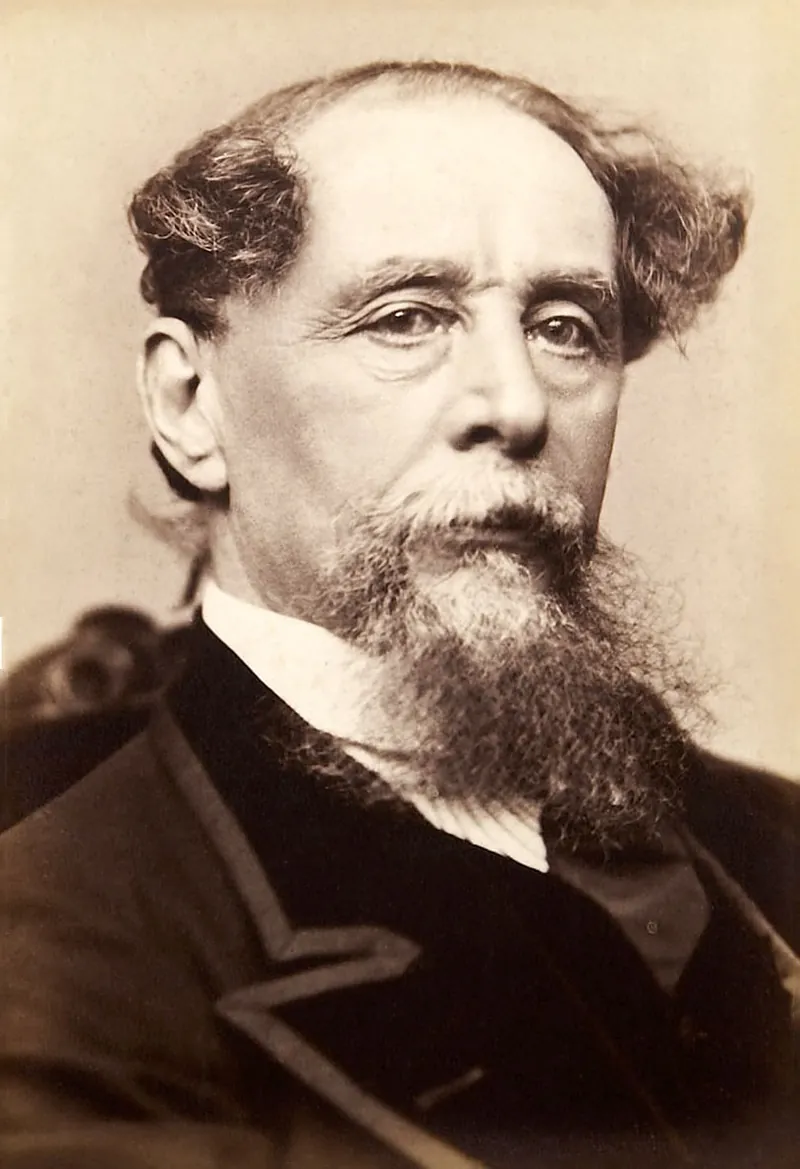
Charles John Huffam Dickens was an English writer and journalist. He created some of literature's best-known fictional characters, and is regarded by many as the greatest novelist of the Victorian era.
What is the historical context?
First published in London in 1843, the novella emerged during Britain’s re-evaluation of Christmas traditions. Dickens drew inspiration from his youth and visits to London’s ragged schools, weaving sharp observations about poverty into a supernatural framework that challenged readers to examine the treatment of the underclass during industrialization.
Is it a good audiobook?
Yes, the text’s rhythmic prose and distinct dialogue make it highly rewarding in audio format. Reviewers note that performances by narrators like Tim Curry or Patrick Stewart greatly enhance the experience, bringing the story and Scrooge’s personal transformation to life.
How does the narrative structure work?
The narrative relies on a swift, episodic structure driven by Marley’s warning and three successive supernatural encounters. This framework allows Dickens to deliver a story without lingering unnecessarily, prioritizing pacing and atmosphere over prolonged plot progression.
Summarize this book

Summarize this book

The story follows Ebenezer Scrooge, a bitter miser whose cold existence is shattered on Christmas Eve when the ghost of his former partner, Jacob Marley, warns him of his own tormented fate. Three visiting spirits then guide Scrooge through his neglected past, the harsh realities of the present, and a grim potential future, culminating in his sudden psychological unraveling and transformation into a generous man.

Follow up

What is the central conflict?
Does it have a happy ending?

Synthesized from verified book data & published reviews · How we review

Ask LuvemBooks

What would you like to know about A Christmas Carol?

Answers come from our editorial notes on this book. If we haven't covered something, we'll say so.

Readers often ask

Our Review

We review the evidence: book bloggers and reader verdicts, gathered and weighed with AI assistance and edited by LuvemBooks, rather than one reader's first-hand take.
A Christmas Carol remains an essential read for its unmatched festive atmosphere and profound moral weight, despite a quick denouement and dated phrasing that require patience.
A Christmas Carol by Charles Dickens front cover

The Premise and Narrative Arc

Charles Dickens’ novella introduces Ebenezer Scrooge, an elderly miser who despises the Christmas season. The story opens with the famous declaration that Marley was dead, to begin with.
Scrooge’s cold existence is interrupted on Christmas Eve by the ghost of his former business partner, Jacob Marley. Marley warns Scrooge of his own tormented fate and announces the arrival of three visiting spirits.
These ghosts guide Scrooge through his neglected past, the harsh realities of the present, and a grim potential future. The narrative follows Scrooge’s psychological unraveling as he witnesses the suffering of the poor and the potential loss of Tiny Tim.
His heart laughs at the alteration in himself, leaving behind his previous misanthropy.

Historical Significance and Social Commentary

First published in London in 1843, the novella emerged during a period when Britain was re-evaluating its Christmas traditions. Dickens drew inspiration from his youth and a visit to the Field Lane Ragged School, which highlighted London’s street children.
The text weaves sharp observations about poverty and class division into its supernatural framework. Londonist noted that the Illustrated London News praised the book's "impressive eloquence".
While the story functions as a festive fable, it operates as a pointed critique of Victorian social neglect. Some academics debate whether the narrative serves as a fully secular story or a Christian allegory.
The publication captured the zeitgeist of the early Victorian revival of the holiday. Dickens deliberately incorporated older customs alongside newer festive practices.
The narrative reflects a societal shift toward empathy and communal responsibility. It challenged readers to examine the treatment of the underclass during industrialization.
The novella quickly became a cultural touchstone for holiday generosity.

Strengths in Prose and Structure

The novella’s pacing moves swiftly through Scrooge’s confrontation with his own conscience. Writer in a Hat highlighted the introduction as exceptionally strong, praising the witty banter between Scrooge and his nephew.
The prose balances dark humor with vivid, haunting imagery. George L Thomas noted that Dickens transports readers directly to Victorian London through his detailed descriptions.
The narrative structure relies on the ghostly visits to drive the plot forward without lingering unnecessarily. Good Clean Reads observed that the moral lessons are tied to the plot very nicely rather than feeling preachy.
The text remains highly quotable, with its descriptions of Scrooge’s miserly nature standing out as literary highlights. The supernatural elements are woven seamlessly into the realistic setting.
Dickens utilizes the ghost story format to deliver a profound moral argument. The language maintains a rhythmic quality that suits oral recitation.
The dialogue captures the distinct voices of each visiting spirit effectively.

Limitations and Reader Considerations

The novella’s brevity means the resolution arrives with remarkable speed. Efsunland noted that the very rapid denouement feels hollow because Scrooge’s past actions cost everyone but himself.
The character of Jacob Marley receives little narrative payoff after his initial warning. Good Clean Reads warned that young readers may struggle with the old-fashioned language and that the Spirit of Christmas Yet to Come might prove frightening.
The Atlantic observed that the story is thoroughly saturated with its subject matter, which occasionally borders on overwhelming. Readers seeking a slow-burn character study may find the psychological shift too abrupt.
The text requires patience for its dense, nineteenth-century phrasing. Some modern audiences might find the political sermonizing heavy-handed.
The 2015 edition runs 124 pages, offering a compact reading experience. The brevity demands a focused reading session to maintain narrative momentum.
The narrative arc prioritizes thematic impact over prolonged character development.

Who Should Read It and Final Verdict

Weighing these reviews, the book offers a masterclass in atmospheric writing and moral urgency. It points toward readers who appreciate sharp Victorian prose and foundational holiday folklore.
The swift resolution and specific historical context may frustrate those seeking a lengthy psychological drama. Efsunland suggested that listening to an audiobook, such as those performed by Tim Curry or Patrick Stewart, greatly enhances the experience.
The novella stands alongside other classic seasonal tales, yet its unique blend of supernatural terror and social critique remains unmatched. It remains a vital text for anyone interested in the evolution of Christmas literature.
The narrative rewards readers who can look past its age to find its enduring warmth. Its influence on how the holiday is celebrated in the Western world remains undeniable.
The text continues to resonate across generations due to its universal themes. Readers will find the story deeply comforting despite its initial chilling atmosphere.

Sources & Further Reading

The key facts and claims in this review are grounded in the retrieved, verified sources listed below.

  1. Cited in this review
  2. 1
  3. Further reading
  4. 2

    Charles Dickens, LuvemBooks

  5. 3
  6. 4
  7. 5
  8. 6
  9. 7
  10. 8
  11. 9
  12. 10
  13. 11
  14. 12

Age & Reading Level

Our age band

Adult

Amazon listing

Ages 6+ (set by customers)

Our age band groups books for browsing; it isn't an age a review gave.

Content to know about

poverty and class division
supernatural terror
moral corruption and redemption

Best for: Adult — dense nineteenth-century phrasing and haunting imagery require patience and maturity.

Skip if you prefer slow-burn psychological character studies over a compact novella that prioritizes thematic impact over gradual development.

From our readers

Reader reviews

No LuvemBooks readers have answered yet.

Read it? Was it right for you?

Books like A Christmas Carol

Curated picks for readers who enjoyed A Christmas Carol, with our reasoning for each match.

Discussion

Reader comments