
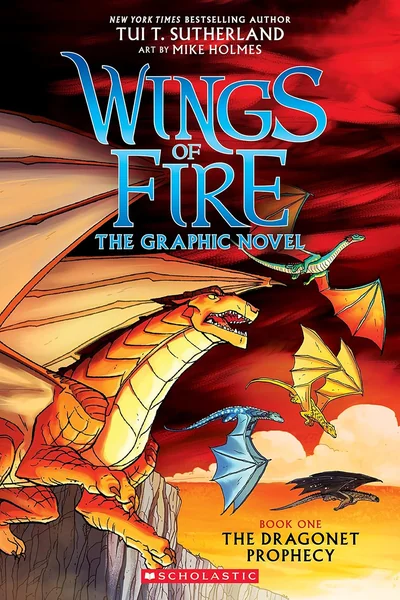
At a glance

Wings of Fire
LuvemBooks Verdict
Best for: Young readers aged 7–12, especially emerging or reluctant readers who want an accessible visual gateway into one of middle-grade fantasy's biggest worlds before tackling the full prose series.
Worth it? Skip it? Read the full verdict →Ask LuvemBooks
Was this helpful?
- Is it worth reading?
- For its target audience — particularly younger readers aged 7–12 who respond to visual storytelling, or emerging and reluctant readers not yet ready for the full prose novels — this graphic novel is precisely what it sets out to be: a well-resourced introduction to Clay, Tsunami, and the world of Pyrrhia. Mike Holmes's illustrations bring the visually distinctive dragon tribes to life in a medium naturally suited to the series' richly varied creature design, and Sutherland's deliberate anti-war themes and questions around prophecy and destiny give the adventure meaningful depth. Readers already devoted to the prose series will find it a visually engaging companion rather than a replacement, given the compression of a full novel's world-building into 224 pages.
- Similar books
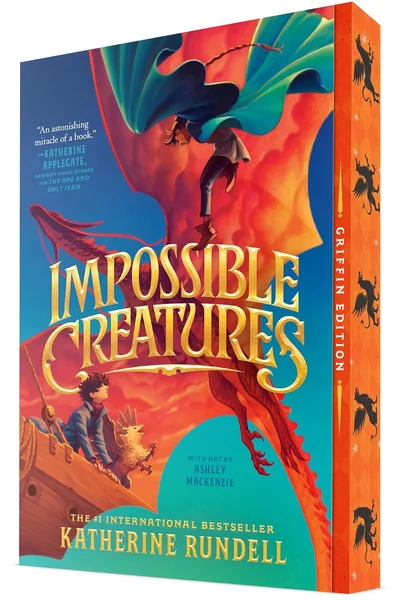
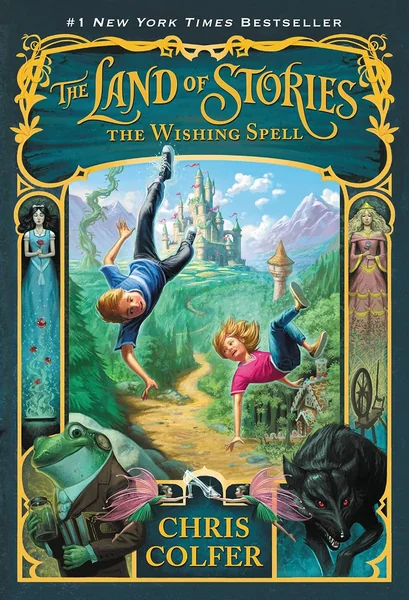
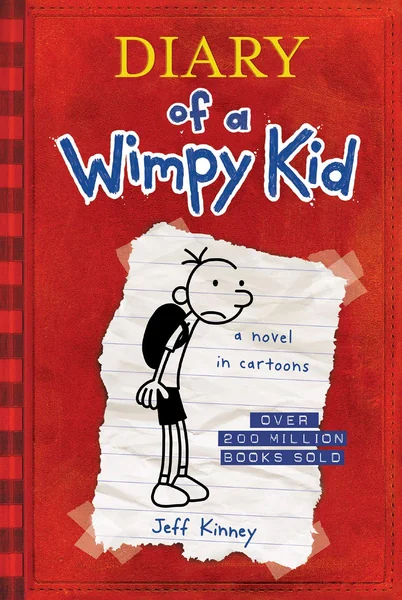
- Readers drawn to Wings of Fire's blend of fantasy world-building and young protagonists navigating a world bigger than themselves will find strong companions on this list. Katherine Rundell's Impossible Creatures offers similarly ambitious middle-grade fantasy with richly imagined creatures. For younger readers who love illustrated formats, Captain Underpants: The First Epic Novel by Dav Pilkey is another Scholastic-published visual read that champions reluctant readers. Roald Dahl's Matilda, while a prose novel, shares the theme of a young protagonist pushing back against the world's expectations of them. Tui T. Sutherland's own The Dragonet Prophecy (the first Wings of Fire prose novel) is the natural next step for readers ready to experience the full depth of Pyrrhia's world, and Christopher Paolini's Eragon offers an older dragon-fantasy touchstone for readers who graduate from this series.
- Who should read this?
- This graphic novel is ideally suited for readers aged 7–12, particularly those who are emerging or reluctant readers not yet ready for the full prose Wings of Fire novels, as well as visual learners who respond naturally to the graphic novel format. It's also a strong pick for parents or educators looking for a fantasy entry point that carries genuine thematic weight — Sutherland's anti-war themes and questions around prophecy and destiny are notably ambitious for the age range. Devoted fans of the prose series will enjoy it as a visually rich companion, though they should know the adaptation compresses the original's depth rather than expanding on it.
- What age is it for?
- Best for ages 7–12, with the 8–11 range being the customer-reported sweet spot on retail listings. Scholastic rates the series for ages 7–12, and the graphic novel format lowers the barrier to entry for readers at the younger end of that band. The story includes war, a world in conflict, and philosophical questions around prophecy and fate, but these themes are handled with an anti-war stance and a focus on pacifistic resolution rather than glorifying combat.
- About Tui T. Sutherland
- Tui Tamara Sutherland is an American children's book author who has written more than 60 books under her own name and under several pen names.
- What are the main themes?
- Wings of Fire was written with deliberate anti-war themes at its core — the dragonets work toward pacifistic resolutions and try to minimize casualties rather than glorify combat, which is notably purposeful for a series in the action-fantasy genre. A second major strand is the question of prophecy and destiny: Clay, Tsunami, Glory, Starflight, and Sunny were raised to believe they are fated to end the SandWing Succession War, and much of the story's tension comes from whether fate is something to be fulfilled or actively challenged. The series also engages with philosophical ideas around foreknowledge and moral responsibility, particularly through the NightWing tribe's powers of mind-reading and moon-bestowed perception.
- Why read the graphic novel vs. the prose novel?
- The graphic novel format serves Wings of Fire particularly well because the world is built around visually distinctive dragon tribes — each with unique physical adaptations, color schemes, and habitats — making it a natural fit for a visual medium. Mike Holmes's illustrations bring Pyrrhia's tribal variety and the dragonets' distinct personalities to the page in a way that prose description cannot replicate. For readers who respond to visual storytelling, or those who are emerging or reluctant readers not yet ready for the full prose novels, the graphic novel is the stronger starting point; for readers who want the full depth of Sutherland's world-building and character interiority, the prose original offers more immersive detail.
Summarize this book
Follow up
Synthesized from verified book data & published reviews · How we review
Press Enter to ask. Answers come from our editorial Q&A — start typing to see related questions.
Age & Reading Level
Recommended age
Ages 8–12
Reading level
Middle grade
2 content notes · who it suits
Content to know about
Best for: Ages 7+ — graphic novel format and middle-grade reading level suit confident early readers; abstract themes of prophecy, fate, and war suit ages 8 and up most comfortably
Skip if you want the full immersive depth of the prose original rather than a visual adaptation
Editorial Review
The graphic novel adaptation of Tui T. Sutherland's Wings of Fire — illustrated by Mike Holmes and published by Graphix in 2018 — brings the opening chapter of one of middle-grade fantasy's most successful series to the visual page, putting five dragonets at the center of a war-torn world and a destiny they never asked for.…
Read the Full ReviewBooks like Wings of Fire
Curated picks for readers who enjoyed Wings of Fire, with our reasoning for each match.
If you liked Wings of Fire
Why It’s Trending
Wings of Fire Graphic Novel Series Has Been Introducing Dragon Fans Since 2018
The graphic novel adaptation of Wings of Fire has been pulling new readers into the series for years, and with 16 books in the main series and counting, there's never been a better entry point. If your kid (or you) wants dragons but isn't ready for a full novel, this is the place to start.