8 min read
4.7
· 10,547 Amazon ratingsShare This Review
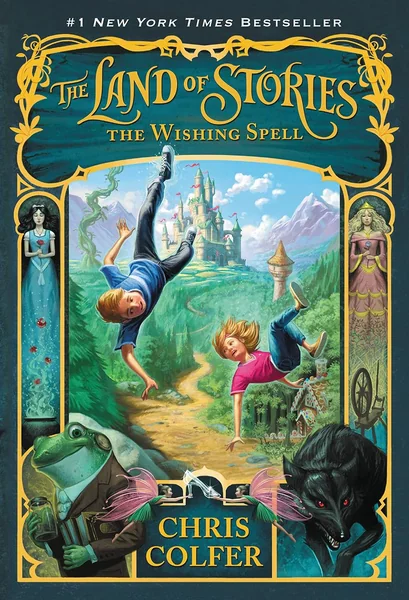
The Land of Stories: The Wishing Spell by Chris Colfer Review: A Beloved Fairy-Tale Adventure for Middle Graders
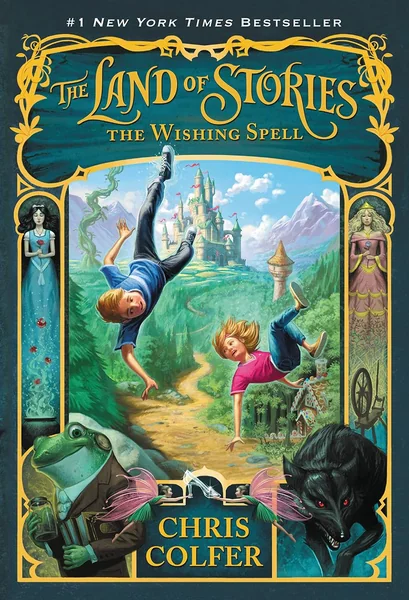
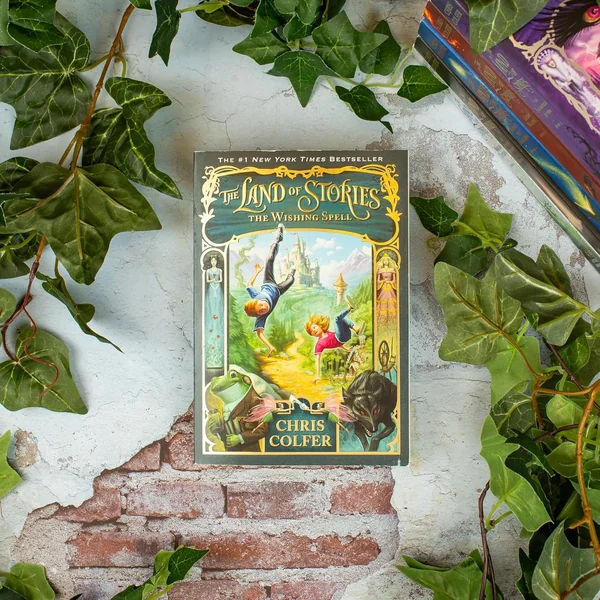
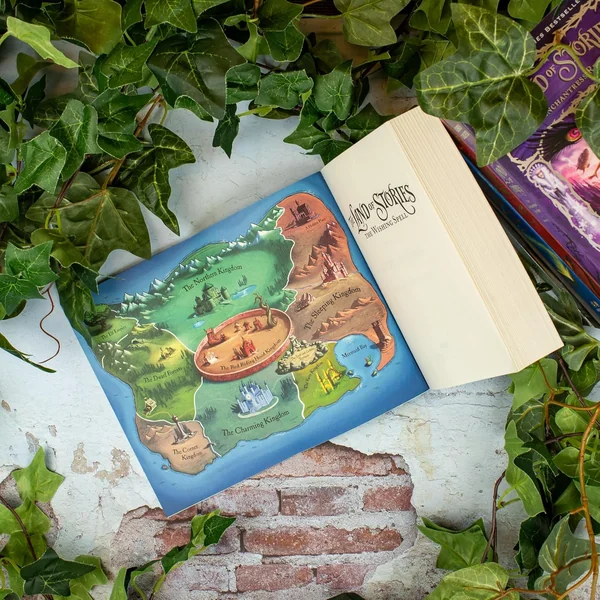
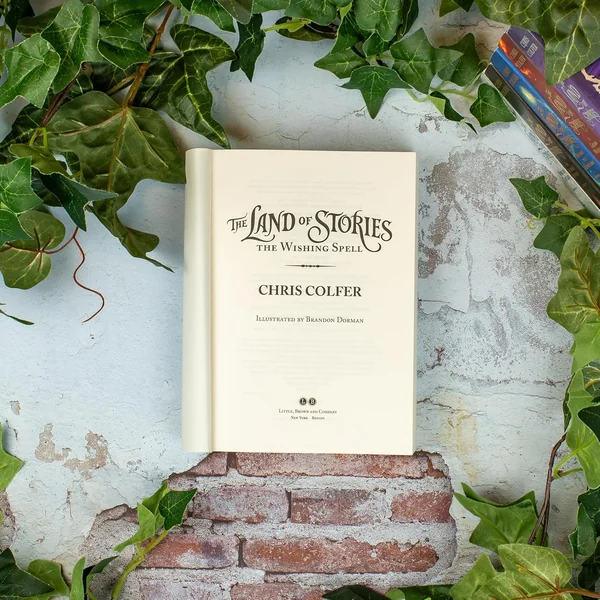
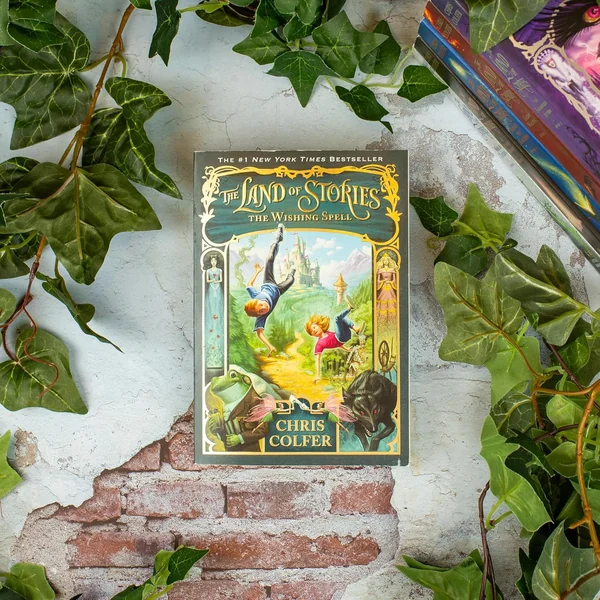
The Wishing Spell launches Chris Colfer's #1 New York Times bestselling Land of Stories series with twins Alex and Conner Bailey tumbling into a world where fairy tales are real — a charming, fast-paced middle-grade fantasy with wide cross-generational appeal, reviewed here on the basis of content and published reception rather than hands-on use.
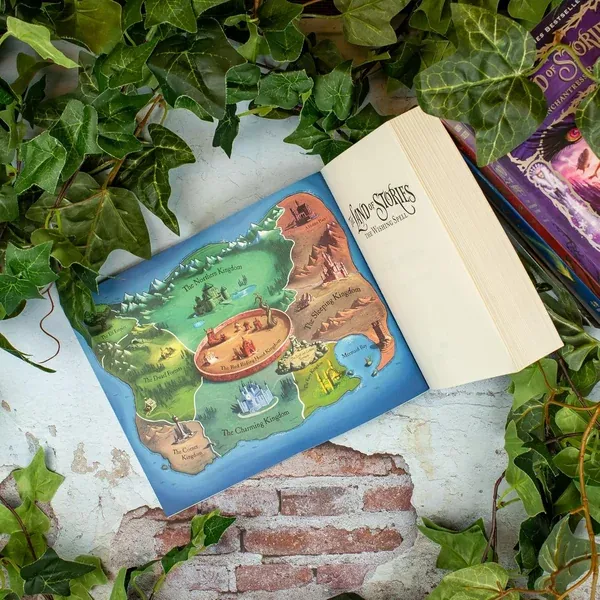
 Tap to enlarge
LuvemBooks Verdict
Best for
Middle-grade readers aged 8–12 (and parents reading alongside them) who love classic fairy tales and want a fresh, scavenger-hunt-driven adventure that revisits beloved characters with warmth, humour, and genuine emotional stakes.
Worth it if
You're looking for an inventive, family-friendly portal fantasy that balances nostalgia and comedy with real emotional resonance — especially if you're happy to follow a six-book series from its well-constructed opening chapter.
Skip if
Readers who prefer darker, morally ambiguous fairy-tale retellings or who find the genre's conventional "good triumphs over evil / there's no place like home" framework too familiar will likely find the story's optimistic, straightforward tone more limiting than satisfying.
What readers & critics say
Reviewers at hitormissbooks.wordpress.com praised the book for offering "an enthralling adventure, relatable heroes, a scavenger hunt like never before seen" and encounters with beloved fairy-tale characters, awarding it a full five stars. MuggleNet's blog noted that while the pacing could occasionally use a trim and some passages feel repetitive, "the characters are bright and memorable, the humour tongue in cheek," and the book is "still enjoyable, and worth reading to the end."
“So imaginative and descriptive that I felt I was there and the world was so clear in my head.”
— The GuardianPreview the book

Ask LuvemBooks
Was this helpful?
- Is it worth reading?
- For readers aged 8 and up who love inventive fairy-tale world-building, The Wishing Spell delivers a richly populated quest praised by reviewers for offering 'something new with every new chapter' through fresh takes on recognizable fairy-tale figures. The dual-protagonist structure — with relatable twins Alex and Conner Bailey — gives the story wide emotional reach, and the blend of nostalgia, clever humor, and genuine emotional stakes makes it a rewarding read for parents alongside children as well. Readers after darker, morally ambiguous reimaginings of fairy tales, however, will find the optimistic, family-friendly framework a genuine constraint rather than a selling point.
- Similar books
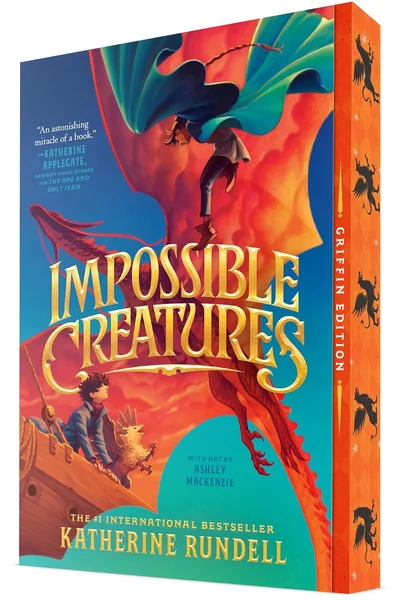
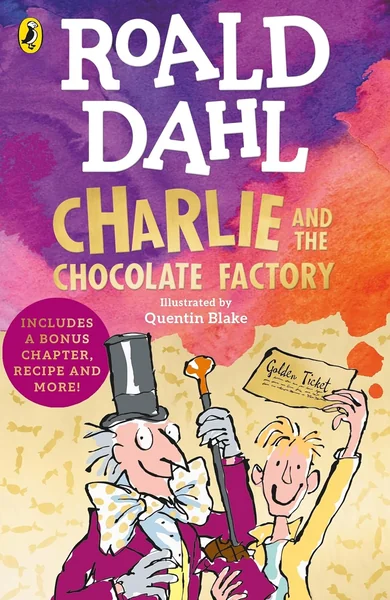
- Readers who enjoy The Wishing Spell's blend of portal fantasy, fairy-tale world-building, and emotionally grounded adventure will find strong companions in several books featured below. Katherine Rundell's Impossible Creatures similarly drops young protagonists into a richly imagined hidden world packed with mythological creatures. Roald Dahl's Charlie and the Chocolate Factory shares the same sense of a child entering an extraordinary, rule-bending realm with moral stakes woven into the fun. Terry Pratchett's A Discworld Collection: The Tiffany Aching Adventures offers a more layered but similarly humor-laced take on a young hero navigating a world of magical beings. Tom's Midnight Garden by Philippa Pearce and Wings of Fire by Tui T. Sutherland also appear in the curated selection below — the former for readers drawn to the emotional, time-bending magic of another world, and the latter for those who want a longer, quest-driven fantasy series with comparable middle-grade momentum.
- Who should read this?
- The Wishing Spell is squarely aimed at middle-grade readers in grades 3–7 (roughly ages 8–12) who enjoy fairy-tale adventure, relatable twin protagonists, and a scavenger-hunt-driven quest packed with familiar fairy-tale figures reimagined with fresh dimensions. Its deliberate tonal balance of nostalgia, humor, and emotional warmth also makes it a compelling read for parents alongside children, and its translation into more than ten languages reflects wide cross-cultural resonance. Readers seeking morally complex, subversive, or darker fairy-tale reimaginings will find the optimistic, family-friendly framework less satisfying.
- What age is it for?
- Best for ages 8 and up. Chris Colfer wrote The Wishing Spell as a third-person narrative explicitly aimed at readers aged 8 and up, and publisher Little, Brown Books for Young Readers positions it for grades 3–7. The longer text, multi-strand quest structure, and emotional themes of grief and displacement suit confident readers in that range, with Brandon Dorman's illustrations supporting younger readers at the lower end of the band.
- About Chris Colfer
- Christopher Paul Colfer is an American actor, singer, and author.
- Where should I start with Chris Colfer?
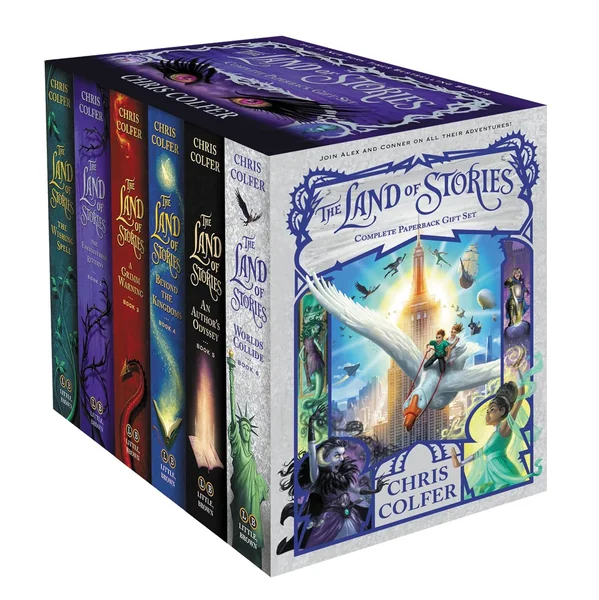
- The Wishing Spell is the natural entry point — it is the first installment in the six-book Land of Stories series and establishes the world, the twin protagonists Alex and Conner Bailey, and the central mythology. For readers who want to commit to the full journey after finishing it, LuvemBooks has reviewed The Land of Stories Complete Paperback Gift Set, which collects all six books in one package.
- How well-known is this series globally?
- The Land of Stories series achieved #1 New York Times bestseller status — a benchmark verified in publisher and retail materials — and The Wishing Spell has been translated into more than ten languages, including Spanish, French, Italian, Japanese, Russian, Portuguese, Dutch, Greek, Hebrew, and Albanian. That breadth of translation is unusual for a middle-grade debut and reflects significant international resonance beyond the English-language market.
Summarize this book
Follow up
Synthesized from verified book data & published reviews · How we review
Press Enter to ask. Answers come from our editorial Q&A — start typing to see related questions.
Age & Reading Level
Recommended age
Ages 8–12
Reading level
Middle grade
1 content note · who it suits
Content to know about
Best for: Ages 8+ — the multi-strand quest structure, longer text, and emotional themes of grief and displacement suit readers at a solid middle-grade reading level.
Skip if you're looking for a subversive, morally complex, or dark fairy-tale retelling.
Our Review
What the Book Actually Is
Premise, Themes, and Emotional Core
Strengths: World-Building and Cross-Generational Humor
Commercial Reception and Cultural Standing

Genuine Limitations and Who May Be Frustrated
Sources & Further Reading
The key facts and claims in this review are grounded in the retrieved, verified sources listed below.
- Cited in this review
- 1
hitormissbooks.wordpress.com
- 2
hachettebookgroup.com
- 3
en.wikipedia.org
- Further reading
- 4
Chris Colfer, Wikipedia
- 5
thelandofstories.com
- 6
heightsforum.org
- 7
newbookrecommendation.com
- 8
squishyminnie.com.au
- 9
wayfaringflaneur.com
- 10
- 11
commonsensemedia.org
- 12
greenishbookshelf.com
- 13
- 14
Books like The Wishing Spell
Curated picks for readers who enjoyed The Wishing Spell, with our reasoning for each match.
If you liked The Wishing Spell