Skip to content
Reviewed

Read Time

9 min read

Our age bandAdult
Reader rating
4.6 · 19,435 Amazon ratings, as of Nov 2026
reader ratings, not a LuvemBooks score
Curated & edited by

LuvemBooks Editorial

How we create our reviews →
Share This Review
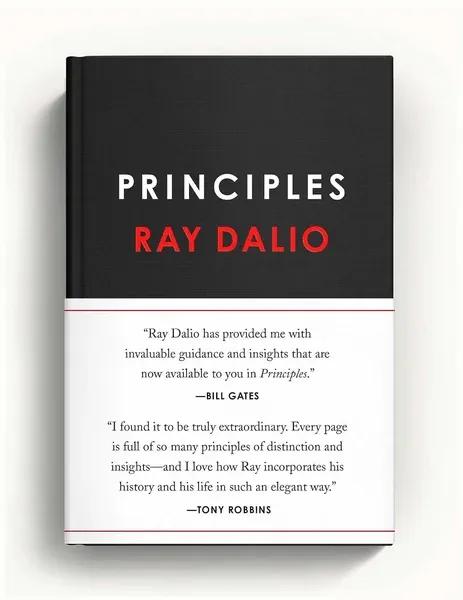
Principles: Life and Work by Ray Dalio front cover

Our review

Principles: Life and Work

Principles: Life and Work by Ray Dalio Review: A System for Success

Ray Dalio's manual on decision-making offers a rigorous framework for professional growth. The volume details the operational philosophy behind Bridgewater Associates through memoir and actionable guidelines. Readers seeking structured leadership strategies will find a compelling blueprint for success.
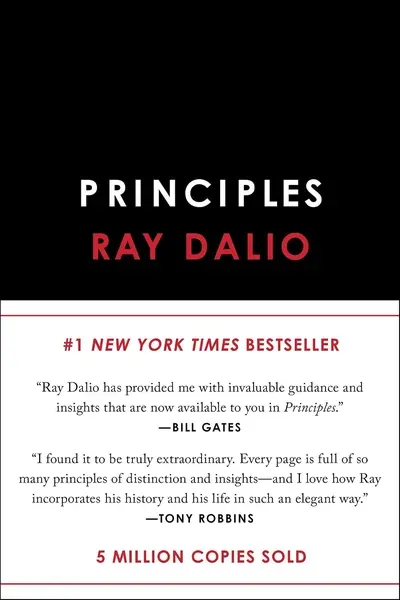
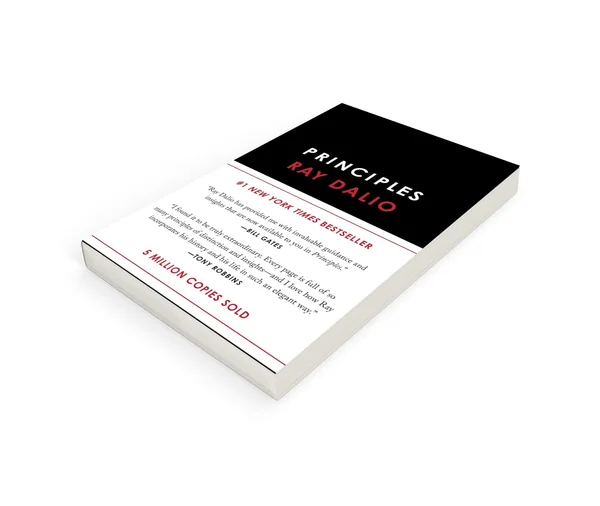
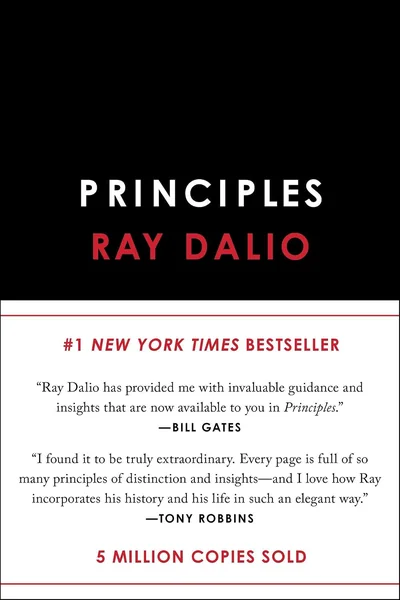
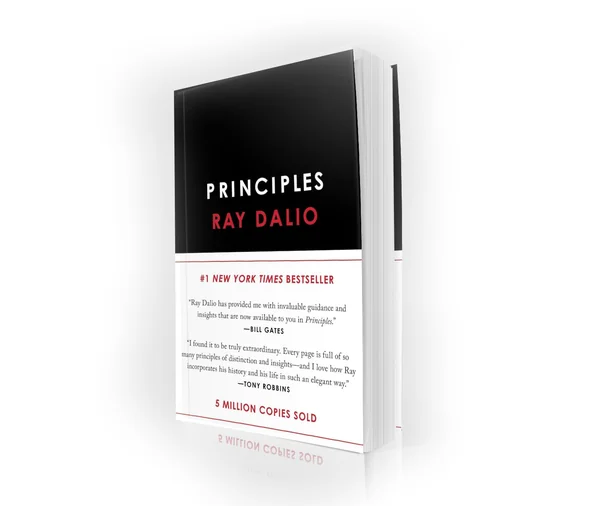
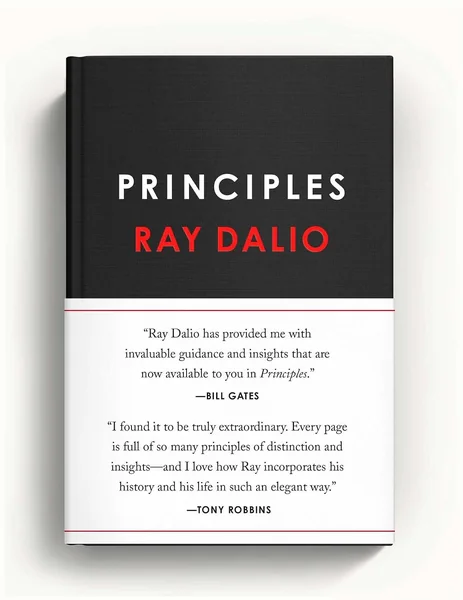
Front cover with the title, author name, and two endorsement quotes.Front cover with title, author name, bestseller status, and two endorsement quotes.Front cover with title and author name, featuring two endorsement quotes on a white band.Tap to enlarge
Our age band: Adultcorporate surveillance · harsh workplace criticism

LuvemBooks Verdict

Best for

Readers who seek structured leadership strategies will find a compelling blueprint for professional growth through Dalio's operational philosophy.

Worth it if

Worth reading if you are prepared to treat the latter half as a dense reference catalog rather than a continuous narrative.

Skip if

Skip it if you expect a traditional personal finance guide or are uncomfortable with management philosophies that prioritize blunt transparency over social nuance.

Where reviewers agree and split

Readers rate it 4.6 on Amazon. The reviews we read that discuss it in depth agree:

  • Mixed

    Winchell House · Book blog: thought-provoking but repetitive and overly rigid

  • Mixed

    Allenc · Book blog: useful framework but overly harsh and contentious in practice

  • Mixed

    BetaGlyph · Book blog: great read with valuable insights but overly repetitive

Overall verdicts are our summary of each review we read, from its headline, rating and conclusion.

Winchell House finds the book thought-provoking but criticizes its length and rigid tone, while Allenc praises its useful framework but warns that the insistence on radical honesty can feel hostile. Bobby Powers highlights the fascinating look at hedge fund management, whereas BetaGlyph recommends reading the first two hundred pages before skimming the dense operational rules.

Sources: Winchell House, Allenc, BetaGlyph, Bobby Powers
4.6from 19,435 Amazon ratings, as of Nov 2026— reader ratings, not a LuvemBooks score

Preview the book

Principles: Life and Work by Ray Dalio front cover
Front cover with the title, author name, and two endorsement quotes.
Front cover with title, author name, bestseller status, and two endorsement quotes.
Front cover with title and author name, featuring two endorsement quotes on a white band.
Front cover with title and author name, bestseller status, and review blurbs.

Ask LuvemBooks

Was this helpful?

Ray Dalio’s Principles: Life and Work merges memoir with a rigorous operational manual, detailing the founding of Bridgewater Associates and his framework for removing emotion from the process. While the text offers a compelling blueprint for structured leadership, its dense, list-like format and uncompromising standards require readers to treat the latter half as a reference catalog rather than a continuous narrative.
Is it worth reading?
It is worth reading for those interested in practical management approaches and career advancement through Dalio’s business methods. However, readers should be prepared to treat the extensive catalog of principles as a reference manual rather than a traditional narrative, as the repetitive structure can feel dense.
Similar books
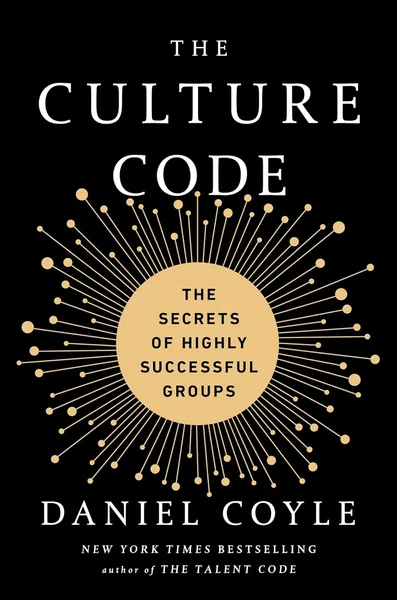
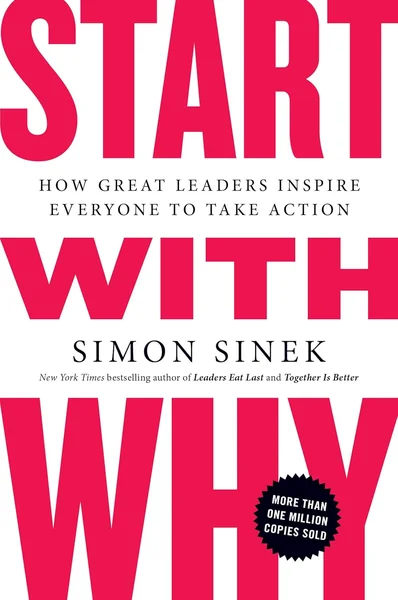
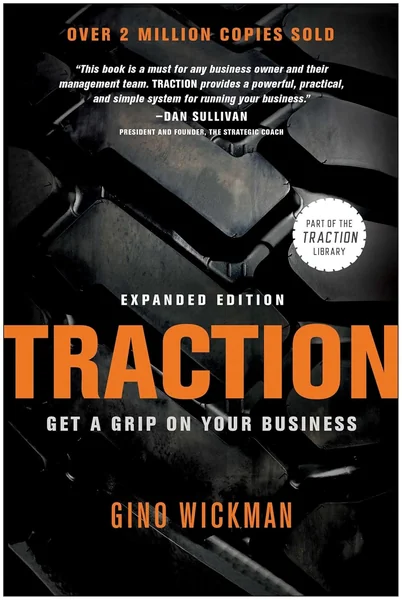
For readers interested in organizational culture, Gino Wickman’s Traction: Get a Grip on Your Business offers a practical framework for business growth. Daniel Coyle’s The Culture Code explores the secrets of highly successful groups, while Simon Sinek’s Start with Why focuses on inspiring action through clear purpose.
Who should read this?
The book is best suited for structured thinkers, aspiring leaders, and professionals looking to build tools that remove emotion from choices. It serves as a valuable reference for those willing to adopt a highly analytical lens on their lives and careers.
What age is it for?
Written for adults, the text deals with corporate management, financial investing, and organizational psychology, making it most appropriate for readers with a professional background or academic interest in business.
How is the writing style?
The prose functions as a hybrid of memoir and operational guidebook, shifting from accessible autobiographical accounts to a comprehensive catalog of principles. Critics like Winchell House and Allenc note that the latter sections can feel repetitive and overly rigid, though BetaGlyph finds the core concepts valuable despite the length.
What is radical transparency?
Dalio advocates for a workplace culture implemented through tools like recorded meetings, employee evaluations, and the weighting of decisions by a participant's believability. While intended to foster accuracy and kindness, critics note that its uncompromising implementation can sometimes feel dehumanizing or contentious in practice.
What is the five-step process?
Dalio describes a process to achieve goals that requires clear vision, relentless problem-solving, and a willingness to embrace pain as a necessary part of growth. The framework emphasizes separating oneself from ego and blind spots to pursue accurate judgment.
Summarize this book

Summarize this book

Ray Dalio chronicles his journey from a novice investor to the leader of Bridgewater Associates, blending personal anecdotes with a detailed operational philosophy. The book outlines a five-step process for achieving goals, emphasizing radical truth and an idea meritocracy that weighs input by believability rather than hierarchy.

Follow up

How is the book structured?
Does the book include specific examples?

Synthesized from verified book data & published reviews · How we review

Ask LuvemBooks

What would you like to know about Principles: Life and Work?

Answers come from our editorial notes on this book. If we haven't covered something, we'll say so.

Readers often ask

Our Review

We review the evidence: reader verdicts, gathered and weighed with AI assistance and edited by LuvemBooks, rather than one reader's first-hand take.

Ray Dalio’s comprehensive manual on decision-making and organizational culture offers a rigorous framework for personal and professional growth, though its uncompromising approach to transparency requires readers to navigate significant cultural friction.

The Architecture of Dalio's Philosophy
Ray Dalio founded Bridgewater Associates out of a two-bedroom apartment in 1975. The book chronicles his journey from a novice investor to the leader of the world's most successful hedge fund.
Dalio structures the volume into three distinct sections to explain his methodology. The opening chapters provide an autobiographical account of his early career failures and subsequent successes.
This catalyst led to the development of a unique company culture based on unadorned feedback.
Dalio originally shared a condensed version of these ideas online in 2011. The full publication arrived on September 19, 2017, through Simon & Schuster.
The text operates as a hybrid of memoir and operational guidebook. A recurring theme emphasizes the necessity of documenting personal beliefs to guide future decisions.
Front cover with the title, author name, and two endorsement quotes.
As the book explains, "Don’t confuse what you wish were true with what is really true." The work principles section shifts focus toward applying these lessons to team dynamics.
Dalio argues that great expectations create great capabilities for those willing to pursue them. He outlines a five-step process to achieve goals that requires clear vision and relentless problem-solving.

Radical Transparency and the Idea Meritocracy
The core of the book details Bridgewater's internal operating system. Dalio advocates for an idea meritocracy that relies on radical truth and radical transparency.
He believes that accuracy and kindness are fundamentally the same thing in a professional setting. The firm utilizes specific tools to enforce these standards, such as employee baseball cards that distill strengths and weaknesses.
Meetings are recorded and evaluated to ensure accountability and continuous learning. Decision-making is weighted by the believability and track record of the participants.
Front cover with title, author name, bestseller status, and two endorsement quotes.
This approach requires employees to reject good alternatives in order to pursue even better ones. The book explicitly connects personal growth to professional execution.
Dalio maintains that people at the top of corporate ladders rarely separate life from work. Critics of this model point to the harshness of its implementation.
Allenc noted that the insistence on honesty above all else can create its own brand of hostility. That reviewer warned that blind pursuit of truth outside social norms can undermine collaboration.
Dalio's commercial ecosystem extends beyond the printed page. His company, principles.com, offers a free app and an AI tool that deliver the book's insights directly to users.

Critical Reception and Cultural Tensions
Winchell House offered a mixed assessment, finding the work thought-provoking but repetitive and overly rigid, explicitly noting it was "too long and repetitive". Allenc also delivered a mixed verdict, acknowledging a useful framework while criticizing the material as overly harsh and contentious in practice, pointing out that "Glassdoor reviews paint a much more contentious picture".
BetaGlyph provided another mixed perspective, describing it as a great read with valuable insights but overly repetitive, ultimately concluding with a "Final verdict: Great-read". Together, these evaluations highlight a consistent pattern of appreciation for the core concepts alongside criticisms regarding structure and tone.
The critical reception remains firmly anchored in balanced observations rather than absolute praise or dismissal.
Front cover with title and author name, featuring two endorsement quotes on a white band.
Bill Gates endorsed the volume, stating it provided him with invaluable guidance and insights. Critics described the work as instructive and surprisingly moving.
Despite this praise, the book faces significant criticism regarding its real-world application. Rob Copeland heavily criticized Dalio's principles in his book The Fund.
Copeland argued that the company's radical transparency has led to surveillance and public shaming of employees. Glassdoor reviews for Bridgewater Associates reflect mixed feelings about the work environment.
The book blogger behind Bobby Powers' site found the initial concepts fascinating but questioned the long-term viability of the system. Bobby Powers observed that the tactics to achieve radical honesty feel outside standard social behaviors.
The tension between analytical clarity and human empathy defines the critical debate. Readers must weigh the impressive financial results against the documented cultural costs.
Front cover with title and author name, bestseller status, and review blurbs.

Is Principles Worth Reading?

The book serves as a valuable reference for structured thinkers and aspiring leaders. It provides a clear template for building decision-making frameworks that remove emotion from choices.
The first 200 pages offer the most accessible introduction to Dalio's core beliefs. The subsequent sections function as a dense catalog of operational rules.
Some readers find the sheer volume of principles dilutes the earlier, more applicable insights. The book blogger behind BetaGlyph argued that the work principles feel heavily focused on the founder's perspective.
The book blogger behind BetaGlyph recommended reading the first half thoroughly and skimming the rest for occasional reference. That critic argued that the dense, list-like format makes the volume difficult to consume as a traditional narrative.
Readers seeking a traditional personal finance guide will likely find the content misaligned with their expectations. The book remains a powerful tool for those willing to adopt a highly analytical lens on their lives.

Sources & Further Reading

The key facts and claims in this review are grounded in the retrieved, verified sources listed below.

  1. Cited in this review
  2. 1
  3. 2
  4. Further reading
  5. 3
  6. 4
  7. 5
  8. 6
  9. 7
  10. 8
  11. 9

Age & Reading Level

Our age band

Adult

Our age band groups books for browsing; it isn't an age a review gave.

Content to know about

corporate surveillance
harsh workplace criticism

Skip if you expect a traditional personal finance guide or are uncomfortable with management philosophies that prioritize blunt transparency over social nuance.

From our readers

Reader reviews

No LuvemBooks readers have answered yet.

Read it? Was it right for you?

Books like Principles: Life and Work

Curated picks for readers who enjoyed Principles: Life and Work, with our reasoning for each match.

If you liked Principles: Life and Work
Discussion

Reader comments