Skip to content
Reviewed

Read Time

6 min read

Our age bandAdult
Reader rating
4.7 · 22,566 Amazon ratings, as of Nov 2026
reader ratings, not a LuvemBooks score
Curated & edited by

LuvemBooks Editorial

How we create our reviews →
Share This Review
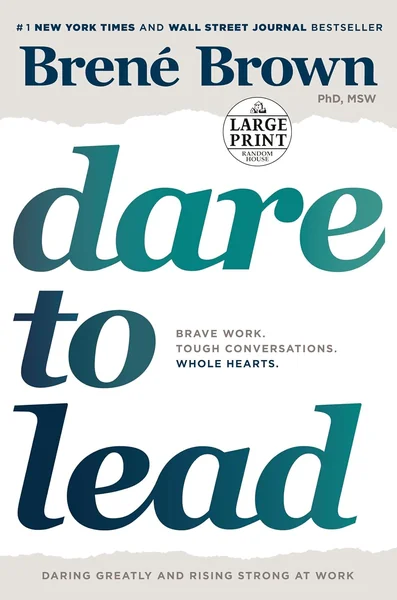
Dare to Lead: Brave Work. Tough Conversations. Whole Hearts. by Brené Brown front cover

Our review

Dare to Lead

Dare to Lead by Brené Brown Review: A Playbook for Daring Leadership

Dare to Lead translates research into a framework for cultivating courage in professional environments. The text provides actionable tools to help managers build psychologically safe teams.

Our age band: Adult

LuvemBooks Verdict

Best for

Readers who seek to build psychologically safe teams and cultivate courage in professional environments will find value in the actionable tools and framework for tough conversations.

Worth it if

Worth reading if you are seeking actionable strategies to navigate difficult situations and translate psychological research into practical team habits.

Skip if

Skip it if you are looking for a quick overview, as the dense accumulation of research demands time for absorption and repeated reading.

Where reviewers agree and split

Readers rate it 4.7 on Amazon. The reviews we read that discuss it in depth agree:

  • Positive

    Grounded Curiosity · Book blog: helpful handbook for growing self-awareness and team building

  • Positive

    socialworker.com · Book blog: compelling read challenging traditional leadership components positively

Overall verdicts are our summary of each review we read, from its headline, rating and conclusion.

The British Journal of Social Work hails the book as a 'much loved, seminal leadership text,' while reviewers at socialworker.com and Grounded Curiosity praise its compelling application of vulnerability and trust frameworks to organizational psychology and team building.

Sources: The British Journal of Social Work, socialworker.com, Grounded Curiosity
4.7from 22,566 Amazon ratings, as of Nov 2026— reader ratings, not a LuvemBooks score

Ask LuvemBooks

Was this helpful?

While the thematic overlap with Brown's earlier work may overwhelm readers seeking a quick overview, the book remains a foundational playbook for mid-career leaders committed to transforming workplace culture through emotional intelligence.
Is it worth reading?
Readers will find significant value in the structured approach to building psychological safety. The text provides practical methods for navigating difficult workplace dynamics, including the BRAVING acronym for building trust and tactical breathing techniques for high-stakes interactions. However, professionals already familiar with Brown's previous publications may find the content repetitive.
Similar books
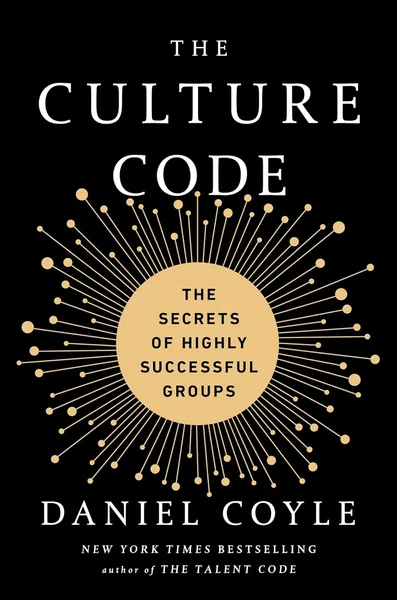
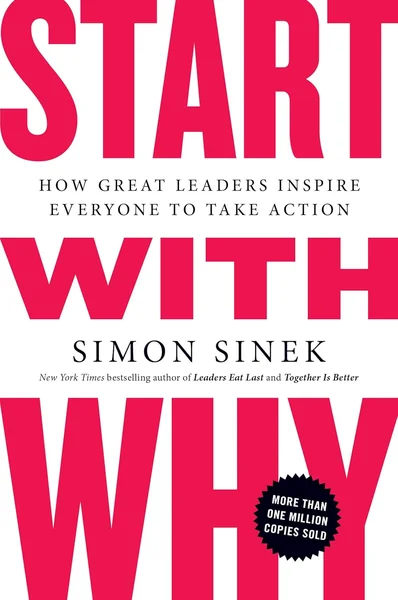
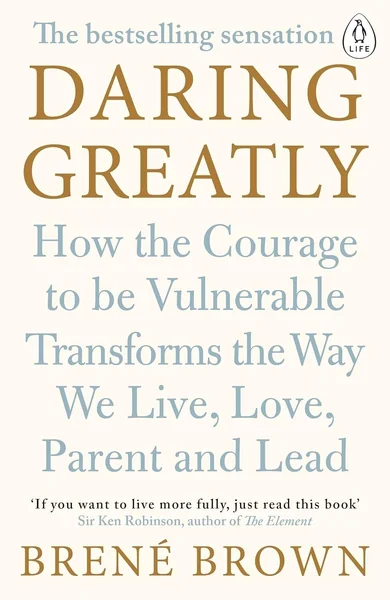
Readers who enjoy Brown's research-driven approach to leadership may also appreciate Daring Greatly by Brené Brown, The Culture Code by Daniel Coyle, and Start with Why by Simon Sinek. For those interested in practical organizational frameworks, Traction by Gino Wickman and The E-Myth Revisited by Michael E. Gerber offer complementary perspectives on business structure and management.
Who should read this?
This text is specifically tailored for managers, team leaders, and human resources professionals focused on organizational change. It also serves as a valuable resource for agency culture builders and professionals navigating complex human systems. The material is less suited for those wanting a brief summary or those already deeply familiar with Brown's foundational theories.
What age is it for?
The book is written for adults and focuses on professional leadership, workplace psychology, and organizational culture. It does not target younger demographics, as its content relies on advanced management concepts and mature discussions of vulnerability in professional settings.
About Brené Brown
Casandra Brené Brown is an American academic and podcaster who is the Huffington Foundation's Brené Brown Endowed Chair at the University of Houston's Graduate College of Social Work and a visiting professor in management at the McCombs School of Business in the University of Texas at Austin..
What are the main themes?
The text centers on redefining leadership through interpersonal connection, mutual respect, and the courage to have tough conversations. Key themes include the rejection of "armored leadership" in favor of vulnerability, the practical application of the BRAVING acronym for trust, and the transformation of organizational culture through empathy.
Summarize this book

Summarize this book

Brené Brown’s framework redefines leadership beyond traditional hierarchies, focusing on interpersonal trust and mutual respect. The text includes practical methods for handling tense situations, such as the BRAVING acronym for building trust and tactical breathing techniques for high-stakes interactions. It positions vulnerability not as a weakness but as a necessary component of courage in the professional arena.

Follow up

Who is this best for?
Are there companion resources?

Synthesized from verified book data & published reviews · How we review

Ask LuvemBooks

What would you like to know about Dare to Lead?

Answers come from our editorial notes on this book. If we haven't covered something, we'll say so.

Readers often ask

Our Review

We review the evidence: reader verdicts, gathered and weighed with AI assistance and edited by LuvemBooks, rather than one reader's first-hand take.

The Core Framework and Daring Leadership

Brown defines leadership as anyone who recognizes potential in people and processes and has the courage to develop it. Her work moves beyond traditional hierarchies to focus on emotional intelligence and relational trust.
Originally published in 2018, this large print edition arrived in 2019 and draws heavily from a seven-year study she conducted with leaders across diverse organizations. Brown argues that daring leadership requires shedding armored behaviors in favor of vulnerability and clear communication.
She positions vulnerability not as a weakness but as a necessary component of courage in the workplace. The author contrasts this approach with armored leadership, which functions to protect the self rather than serve the organization.
She encourages leaders to lean into difficult conversations rather than avoiding them. The framework emphasizes that power becomes infinite when shared rather than hoarded.

Practical Tools and the BRAVING Acronym

The text provides actionable strategies for navigating difficult workplace dynamics. Brown introduces the BRAVING acronym to outline the components of trust in professional relationships.
The framework breaks down trust into specific behaviors like reliability, accountability, and non-judgment. Readers encounter exercises designed to help them identify their own shiny objects and armor in leadership contexts.
The author also provides tactical breathing techniques The book outlines a three-step format for navigating rumbling in the arena. This process involves gathering external data alongside internal emotional awareness.
Leaders are guided through the reckoning, the rumble, and the revolution phases.

Reception and Relevance in Professional Fields
Brené Brown’s Dare to Lead: Brave Work. Tough Conversations.
Whole Hearts. has established itself as a notable resource for professionals. Grounded Curiosity, a book blog, provides a positive verdict, characterizing the text as a helpful handbook for growing self-awareness and team building.
The review explicitly notes it is a "helpful handbook for anyone wanting to grow in self-awareness." Meanwhile, socialworker.com, another book blog, offers a positive assessment, describing the work as a compelling read challenging traditional leadership components positively.
Its critique calls the book a "compelling addition to the psychology of leadership." Collectively, these sources highlight the text’s applicability to agency culture and professional development.
Readers frequently note its value for navigating complex human systems, emphasizing how the framework challenges organizations to prioritize client experience over rigid compliance. The material provides a structured path for transforming workplace dynamics through empathy and emotional exposure.
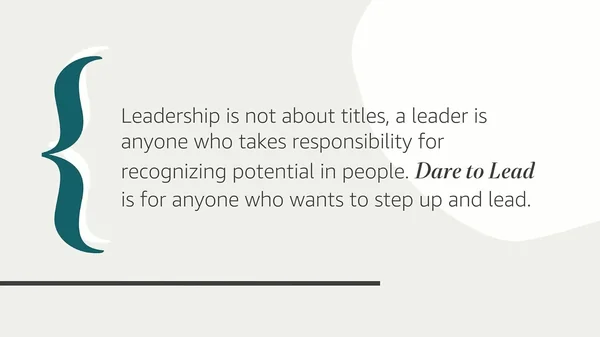
Interior page featuring a teal bracket graphic and text defining leadership as taking responsibility for recognizing potential in others.

Limitations and Accessibility

The dense accumulation of research and concepts can overwhelm readers seeking a quick guide. One reviewer notes that the rich content demands time for absorption and repeated reading rather than serving as a rapid overview.
Professionals already familiar with Brown’s previous publications may find significant thematic overlap. The material occasionally reiterates core concepts about shame and empathy without introducing entirely new paradigms.
Grounded Curiosity: She writes it was especially illuminating for her theories on vulnerability when she asked several hundred American Special Forces soldiers: “Vulnerability is the emotion that we experience during times of uncertainty, risk, and emotional exposure.” The author’s platform promotes a companion website offering free downloadable workbooks and online assessments.

Is Dare to Lead Worth Reading?

Weighing these perspectives reveals a resource that excels at translating complex psychological research into actionable workplace habits. The book’s greatest strength lies in its structured approach to building psychological safety and fostering courageous conversations.
It points directly toward mid-career managers, team leaders, and human resources professionals tasked with cultural transformation. Grounded Curiosity: Moreover, collaboration does not have to mean being a constant fixer with others but practicing the empathy of being with others in their darkness.
It takes years for leaders to build trust but trust can be quickly lost. The text remains a foundational playbook for anyone committed to developing braver, more empathetic leadership practices.
Brown’s work continues to resonate as a practical guide for embedding courage into daily organizational life.

Sources & Further Reading

The key facts and claims in this review are grounded in the retrieved, verified sources listed below.

  1. 1

    Brené Brown, LuvemBooks

  2. 2
  3. 3
  4. 4
  5. 5
  6. 6
  7. 7

Age & Reading Level

Our age band

Adult

Our age band groups books for browsing; it isn't an age a review gave.

From our readers

Reader reviews

No LuvemBooks readers have answered yet.

Read it? Was it right for you?

Books like Dare to Lead

Curated picks for readers who enjoyed Dare to Lead, with our reasoning for each match.
Discussion

Reader comments