8 min read
4.7
· 3,094 Amazon ratingsShare This Review
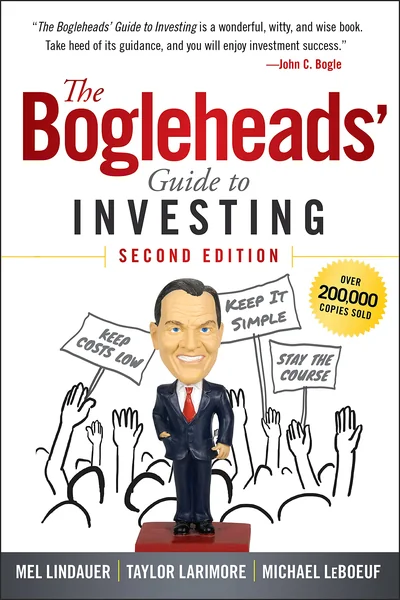
The Bogleheads' Guide to Investing by Mel Lindauer, Taylor Larimore & Michael LeBoeuf Review: A No-Nonsense DIY Investing Classic
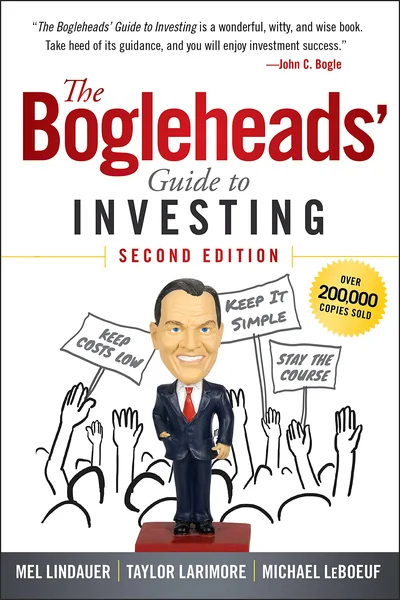
The Bogleheads' Guide to Investing is a practical, DIY personal-finance handbook built on the low-cost, passive-investing philosophy of Vanguard founder John C. Bogle. Co-authored by three community leaders — Taylor Larimore, Mel Lindauer, and Michael LeBoeuf — the second edition (published by Wiley in November 2021) updates foundational Boglehead principles with coverage of backdoor Roth IRAs, ETFs as buy-and-hold vehicles, estate taxes, gifting, and recent changes to retirement-plan law. This review is based on published sources and the book's documented contents, not hands-on application.
 Tap to enlarge
LuvemBooks Verdict
Best for
Self-directed investors at any stage who want a philosophy-first, jargon-light framework for building long-term wealth through low-cost index funds — especially those new to Boglehead principles looking for the movement's canonical starting point.
Worth it if
You want a methodical, community-tested case for passive investing — covering asset allocation, tax-advantaged accounts, and updated retirement-plan law — and are willing to commit to the low-cost, stay-the-course philosophy it argues for.
Skip if
You're already deeply embedded in the Bogleheads.org community or are seeking guidance on active strategies, individual stock selection, options, or alternative instruments — the book is deliberately and entirely out of scope for all of that.
What readers & critics say
The CFA Institute blog notes that the authors marshal empirical studies showing the majority of active managers underperform passive ones, making a methodical case that "average" index performance is paradoxically better than what most investors actually achieve. The independent blog lockywolf.wordpress.com found the guide genuinely useful, while noting that Bogleheads are dismissive of property, gold, and other volatile instruments — a stance the reviewer considered worth questioning for investors with deeper market knowledge.
Sources: CFA Institute Blogs, lockywolf.wordpress.comPreview the book

Ask LuvemBooks
Was this helpful?
- Is it worth reading?
- For self-directed investors who want a philosophy-first framework for managing their own money, The Bogleheads' Guide to Investing is a frequently recommended and durable starting point. Its accessible design, community-tested principles, and updated coverage of current retirement-account law make it substantively useful at nearly any stage of an investor's journey. The one clear caveat: readers already deeply familiar with Bogleheads.org community principles may find much of the core material covers familiar ground, and anyone seeking active-strategy guidance will find the book entirely out of scope by design.
- Similar books
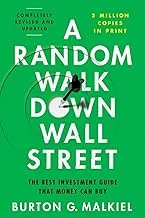
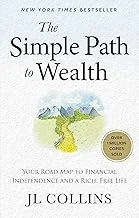
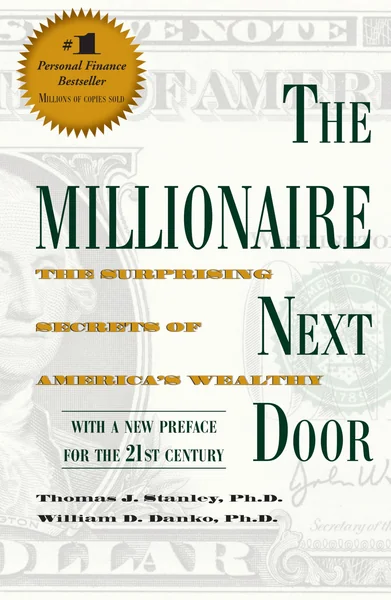
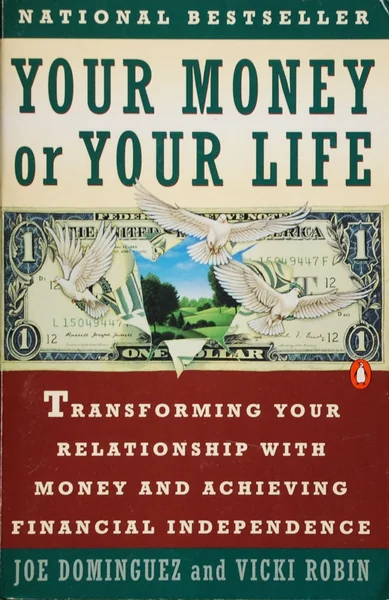
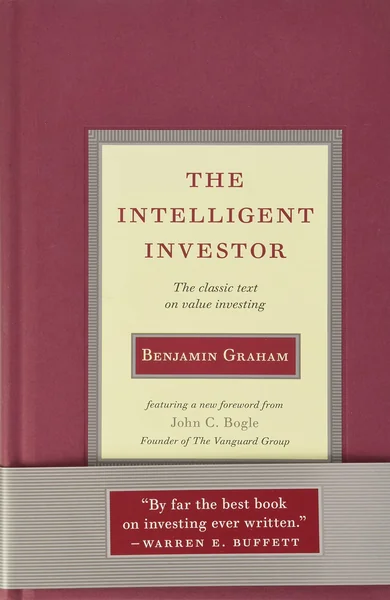
- Readers drawn to The Bogleheads' Guide to Investing will find strong company in several related titles. J.L. Collins' The Simple Path to Wealth shares the same low-cost, index-fund philosophy in a more conversational register. Burton G. Malkiel's A Random Walk Down Wall Street provides rigorous academic backing for the same passive-investing thesis. For a deeper look at value investing from a different angle, Benjamin Graham's The Intelligent Investor is the classic counterpart. Thomas J. Stanley and William D. Danko's The Millionaire Next Door and Joe Dominguez and Vicki Robin's Your Money or Your Life both complement the Boglehead approach with broader perspectives on wealth accumulation and the psychology of money.
- Who should read this?
- The Bogleheads' Guide to Investing is positioned for a wide adult audience — specifically, anyone who wants to take control of their own financial future without relying on costly active managers. The book is designed to be accessible regardless of age or net worth, making it appropriate for first-time investors just starting out as well as those at mid-career reassessing their approach. Readers seeking active-strategy guidance, stock-picking frameworks, or coverage of alternative instruments will find it deliberately out of scope, as the guide is committed entirely to the passive, low-cost index-investing philosophy.
- What are the main themes?
- The book's central theme is that the conventional wisdom of active investing — that skilled managers can consistently beat the market — is a costly illusion. The authors argue that the investor's greatest enemy is often their own advisor's fee structure, and that a disciplined approach of minimizing costs, diversifying broadly through low-cost index funds, and holding for the long term is the most reliable path to building wealth. Secondary themes include the mechanics of tax-advantaged accounts, asset allocation, and the behavioral discipline required to stay the course rather than reacting to market fluctuations.
- What makes the authors credible?
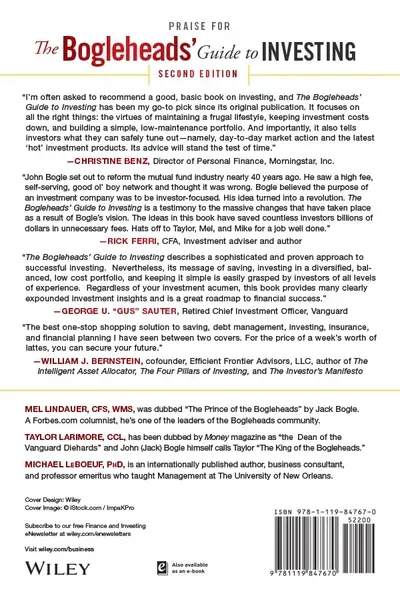
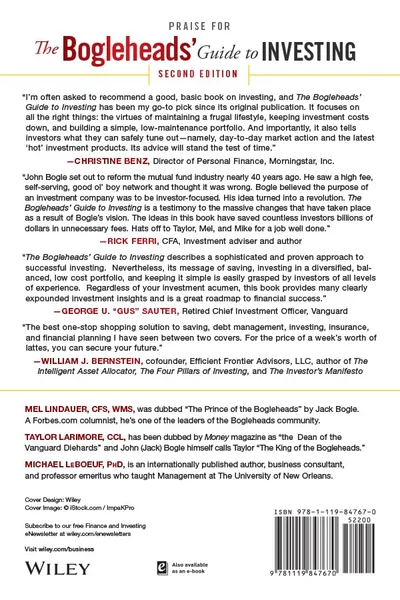
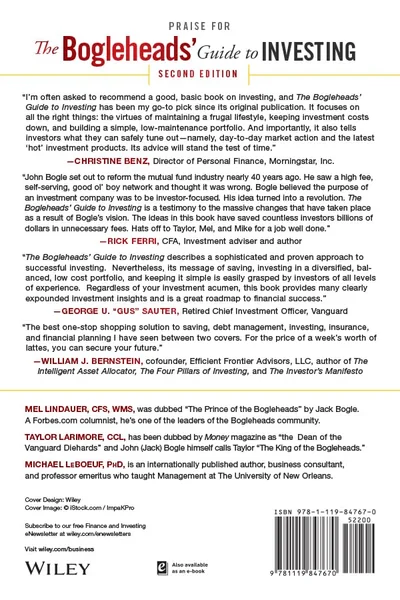
- Taylor Larimore, Mel Lindauer, and Michael LeBoeuf bring a rare combination of practitioner experience, peer-community credibility, and academic grounding. Larimore was dubbed 'the Dean of the Vanguard Diehards' by Money magazine, and John C. Bogle himself called him 'The King of the Bogleheads.' Lindauer, a Forbes.com columnist, was named 'The Prince of the Bogleheads' by Bogle. LeBoeuf holds a PhD and served as a professor emeritus of management at the University of New Orleans. Collectively, the three authors contributed over 40,000 posts to the Bogleheads and Diehards forums before the first edition was published — and the foreword was written by Bogle himself.
- What are the book's limitations?
- The guide's primary limitation is its deliberate scope: it is committed entirely to passive, low-cost index investing, and readers seeking guidance on active strategies, individual stock-picking, options trading, or alternative financial instruments will find little here. That narrowness is by design, not oversight, but it does mean the book serves a specific philosophy rather than offering a broad survey of investing approaches. Additionally, readers already deeply familiar with Bogleheads.org community principles may find much of the core material covers familiar ground rather than offering new insights.
Summarize this book
Follow up
Synthesized from verified book data & published reviews · How we review
Press Enter to ask. Answers come from our editorial Q&A — start typing to see related questions.
Age & Reading Level
Recommended age
Adult
Reading level
Adult
who it suits
Skip if you want guidance on active investing strategies, stock-picking, or financial instruments beyond low-cost index funds.
Our Review
What the Book Is and What It Argues
The Authors and Their Community Roots
Strengths: Accessibility and Principled Contrarianism
Limitations and Honest Scope
Who This Book Is For
Sources & Further Reading
The key facts and claims in this review are grounded in the retrieved, verified sources listed below.
- Cited in this review
- 1
- 2
- 3
- Further reading
- 4
blogs.cfainstitute.org
- 5
- 6
Books like The Bogleheads' Guide to Investing
Curated picks for readers who enjoyed The Bogleheads' Guide to Investing, with our reasoning for each match.
If you liked The Bogleheads' Guide to Investing