7 min read
Share This Review
Deep Before Deal by Tyler Mitchell Review: A Strategic Playbook for Complex Sales
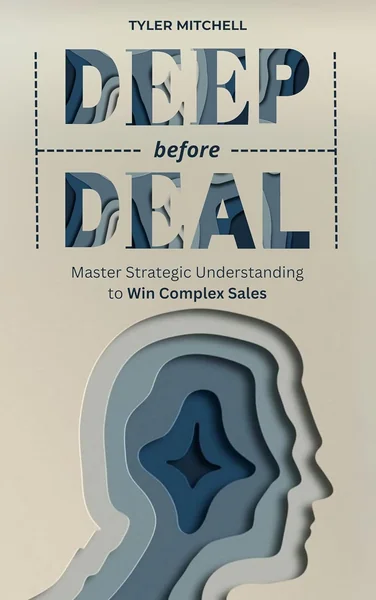
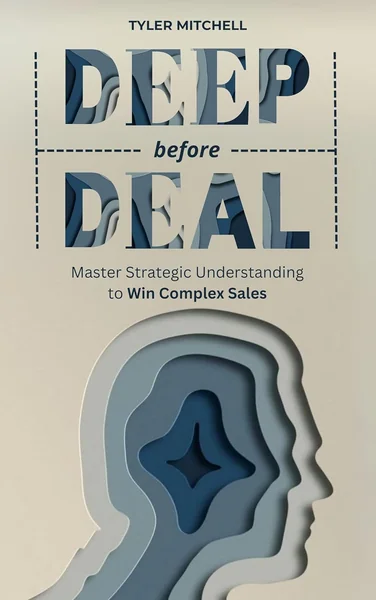
Tyler Mitchell's Deep Before Deal: Master Strategic Understanding to Win Complex Sales is a business sales guide published in January 2025, designed to help sales professionals and leaders develop strategic depth before pursuing a close in high-stakes, multi-stakeholder sales environments. The book argues that genuine understanding of a customer's situation must precede deal-making, and it structures that argument across 329 pages of frameworks and strategic guidance aimed at B2B practitioners navigating complex sales cycles.
LuvemBooks Verdict
Best for
Sales professionals and leaders operating in complex B2B or enterprise environments — particularly those managing multi-stakeholder deals who want a structured, framework-driven approach to strategic understanding rather than a collection of transactional tactics.
Worth it if
Worth reading if you work in high-value, multi-stakeholder sales and want a full-length, thesis-driven treatment of why diagnostic depth — not surface-level pitching — is the durable competitive advantage in complex deals.
Skip if
Skip it if you work in high-volume, transactional, or simpler sales cycles, or if you're already deeply versed in established complex-sales methodologies and are looking for meaningfully differentiated new frameworks.
Ask LuvemBooks
Was this helpful?
- Is it worth reading?
- For sales professionals and leaders operating in complex B2B or enterprise environments, Deep Before Deal offers a coherent, in-depth treatment that distinguishes itself from shorter, more transactional sales guides through its commitment to a single thesis executed across a full-length work. The 329-page length signals genuine depth rather than a padded overview. The key caveat LuvemBooks flags is that Mitchell enters a well-established genre with decades of competing frameworks, so readers already deeply versed in complex-sales literature may find it harder to assess how meaningfully differentiated his approach really is.
- Similar books
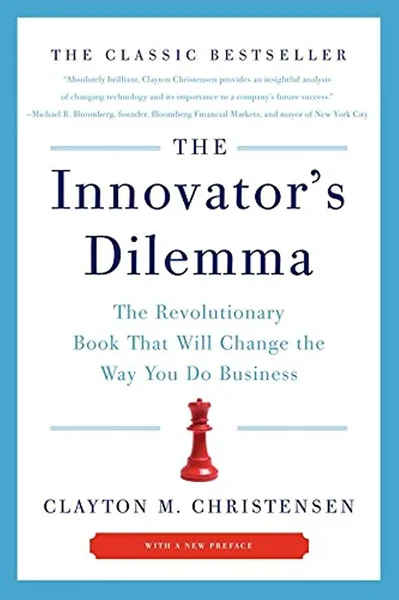
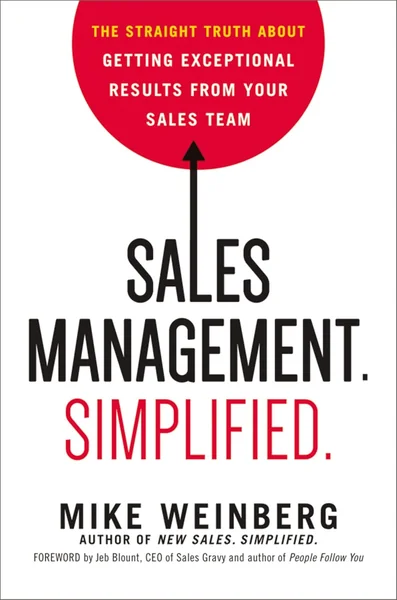
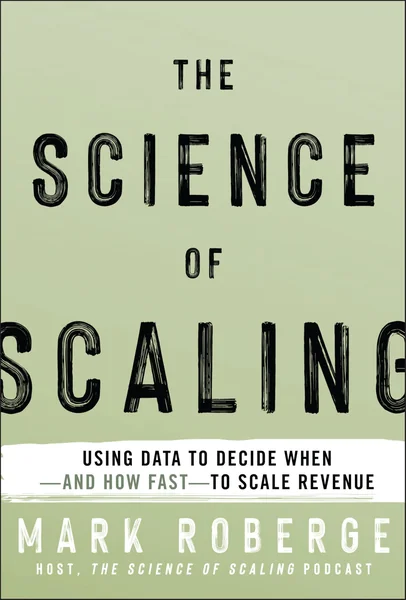
- Readers drawn to Deep Before Deal's strategic approach to B2B selling will find natural companions in the curated shelf below. The Science of Scaling by Mark Roberge and Sales Management. Simplified. by Mike Weinberg both examine the systems and disciplines underpinning high-performance sales organisations. For the broader strategic and growth-thinking context that informs complex deal-making, The Growth Multiplier by Jay Abraham and The Innovator's Dilemma by Clayton M. Christensen offer complementary frameworks. Thinking, Fast and Slow by Daniel Kahneman provides deep grounding in the decision-making psychology that sits behind every multi-stakeholder sales cycle.
- Who should read this?
- Deep Before Deal is explicitly aimed at sales professionals and leaders who operate in complex selling environments — those managing multi-stakeholder deals, working in enterprise or B2B contexts, or leading sales teams where strategic execution matters as much as individual technique. It is not a primer for people new to sales; the framing assumes readers are already functioning in sophisticated roles and want to elevate their strategic command. Sales leaders seeking to align their teams around a common strategic philosophy and individual contributors working on high-value accounts represent the book's core audience.
- What are the main themes?
- The book's organising theme is that strategic understanding precedes and enables deal-making — Mitchell argues that 'going deep' into a customer's situation, needs, and organisational dynamics is not a preliminary courtesy but the engine of the entire sales approach. Secondary themes include building trust with stakeholders, navigating multi-stakeholder resistance and scepticism, and positioning for larger, more profitable outcomes by engaging at a strategic rather than transactional level. The book also implicitly argues against short-termism in sales culture, treating surface-level pitching as a structural failure mode in complex environments.
- What are the book's limitations?
- LuvemBooks identifies three notable limitations. First, the deliberately narrow focus on complex B2B sales means the guidance has limited portability to transactional, high-volume, or simpler selling contexts. Second, Deep Before Deal enters a well-established genre with decades of competing frameworks, and readers already versed in established complex-sales methodologies may find it difficult to assess how meaningfully differentiated Mitchell's approach really is. Third, X-Ray is not enabled on the Kindle edition, reducing in-text navigation for readers who rely on that feature when working through dense business content.
- Kindle or print — which is better?
- The edition reviewed by LuvemBooks is the Kindle edition, published January 28, 2025. One practical consideration flagged in the review is that X-Ray is not enabled on the Kindle edition, which limits in-text reference navigation — a meaningful drawback for a 329-page business book dense with frameworks. Readers who rely heavily on in-text navigation or prefer annotating physical pages may want to check whether a print edition is available before committing to the digital version.
Summarize this book
Follow up
Synthesized from verified book data & published reviews · How we review
Press Enter to ask. Answers come from our editorial Q&A — start typing to see related questions.
Age & Reading Level
Recommended age
Adult
Reading level
Adult
who it suits
Skip if you work in transactional, high-volume, or entry-level sales and are looking for broadly applicable selling techniques.
Our Review
What the Book Is and What It Argues
Central Focus and Scope
Strengths: Clarity of Premise and Practical Orientation
Audience Fit and Practical Relevance
Limitations and Considerations
Sources & Further Reading
The key facts and claims in this review are grounded in the retrieved, verified sources listed below.
- Cited in this review
- 1
- 2
strategicelevation.com
- Further reading
- 3
growthinstitute.com
- 4
chevaliersbooks.com
- 5
powells.com
- 6
dealhub.io
Books like Deep Before Deal
Curated picks for readers who enjoyed Deep Before Deal, with our reasoning for each match.
If you liked Deep Before Deal