8 min read
4.8
· 29,056 Amazon ratingsShare This Review
The Happiest Man on Earth by Eddie Jaku Review: A Holocaust Survivor's Defiant Philosophy of Joy
Eddie Jaku's memoir is a New York Times bestseller in which a man who endured Buchenwald, Auschwitz, and a forced death march chooses to call himself the happiest man on earth — a testament to gratitude, friendship, and the conviction that happiness is the best revenge against hatred.
LuvemBooks Verdict
Best for
Readers drawn to Holocaust memoir who want not only survivor testimony but a sustained philosophical argument — grounded in lived experience — for choosing gratitude, friendship, and joy over hatred and despair.
Worth it if
The combination of unflinching historical witness and hard-won optimism appeals to you, particularly if you value books suited to intergenerational reading, classroom discussion, or book groups.
Skip if
You're seeking a tightly plotted, structurally complex literary memoir — Jaku's voice is episodic and wisdom-driven rather than chronologically propulsive, and the historical sections contain vivid accounts of genocide, torture, and forced starvation that may be harrowing for sensitive readers.
What readers & critics say
Kirkus Reviews calls it "a solid addition to Holocaust literature" and an "uplifting memoir," awarding it a "Get It" verdict. The Inside Review notes overwhelmingly positive reception, describing Jaku's message — that "life can be beautiful if you choose to make it so" — as a philosophy that resonates across generations and cultural backgrounds.
“A solid addition to Holocaust literature — an uplifting memoir from a Holocaust survivor.”
— Kirkus ReviewsAsk LuvemBooks
Was this helpful?
- Is it worth reading?
- For readers drawn to Holocaust memoir, survivor philosophy, or the literature of resilience, The Happiest Man on Earth is a deeply compelling read — a New York Times bestseller that has attracted praise from prominent voices in Holocaust literature, including Heather Morris, the author of The Tattooist of Auschwitz. Its greatest strength is holding graphic historical witness and life-affirming philosophy in the same frame without letting either diminish the other: Jaku does not sanitize what he survived, which gives his conclusions about gratitude and kindness their full moral weight. The key caveat is structural — the book is episodic and wisdom-driven rather than tightly plotted, so readers seeking sustained narrative complexity may experience it differently than they expect.
- Similar books
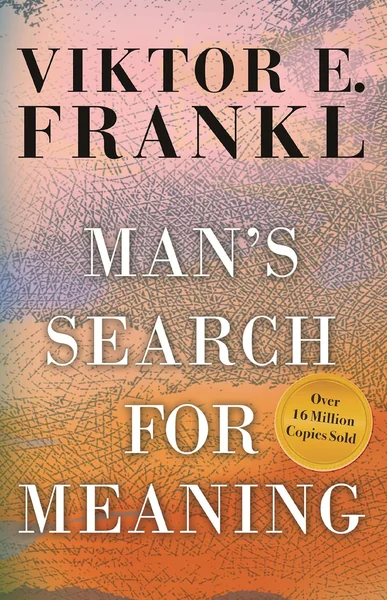
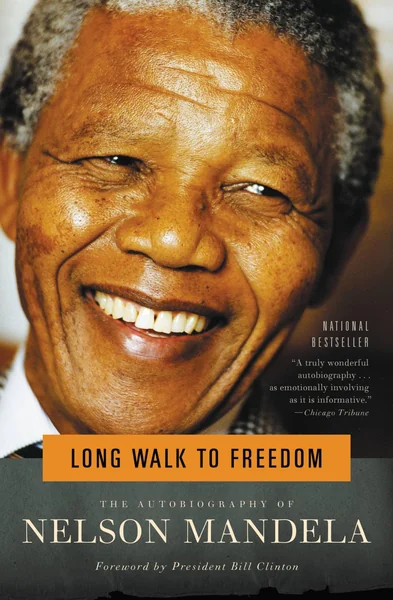
- Readers who connect with The Happiest Man on Earth will find natural companions in Viktor E. Frankl's Man's Search for Meaning — a comparison the publisher draws directly — which similarly emerges from the Holocaust to articulate a philosophy of meaning and survival. Elie Wiesel's Night offers a starker, more documentary counterpart to Jaku's testimony. For survival memoirs that extend beyond the Holocaust, Nelson Mandela's Long Walk to Freedom and Yeonmi Park's In Order to Live share the same arc of endurance, hope, and the refusal to be defined by oppression. Anne Frank's The Diary of a Young Girl also sits naturally alongside this book for classroom and intergenerational reading. The Autobiography of Malcolm X, with its themes of transformation and hard-won conviction, rounds out the tradition of memoirs in which suffering becomes the foundation for a larger philosophical stance.
- Who should read this?
- The Happiest Man on Earth is an ideal read for anyone interested in Holocaust history, survivor testimony, or the philosophy of resilience and gratitude — particularly readers who have engaged with works like Viktor Frankl's Man's Search for Meaning or Randy Pausch's The Last Lecture and want a distinct, complementary voice. The book is designed with intergenerational reach in mind, making it a natural choice for classrooms, book groups, and family reading, with specific appeal for young people. It is also valuable for readers at Holocaust education organisations, where it has been used to connect the lessons of Jaku's experience to present-day crises of persecution and refugee displacement.
- About Eddie Jaku
- Edward Jaku was a survivor of several German concentration camps during World War II who wrote of his wartime experiences after emigrating to Australia.
- What are the main themes?
- The central themes of The Happiest Man on Earth are gratitude, friendship, resilience, and the deliberate choice of happiness as an act of defiance against hatred. Jaku weaves reflections on family, love, health, and ethics throughout his survival testimony, arguing that hatred and vengeance are a prison for the soul and that meaning must be actively constructed rather than passively received. The Holocaust Educational Trust has also noted how the memoir draws explicit connections between Jaku's wartime experiences and present-day crises of persecution and refugee displacement, giving its themes a contemporary resonance beyond pure historical memoir.
- Is this a good book club pick?
- The Happiest Man on Earth is explicitly designed for book-group and classroom use, with its insights on friendship, family, and ethics framed to be accessible across generations. Its episodic, wisdom-driven structure — organised around reflection and lesson as much as chronological story — generates natural discussion points at every stage. The Holocaust Educational Trust's use of the memoir to connect Jaku's experiences to present-day issues of persecution and refugee displacement also gives book clubs rich contemporary threads to explore alongside the historical testimony.
Summarize this book
Follow up
Synthesized from verified book data & published reviews · How we review
Press Enter to ask. Answers come from our editorial Q&A — start typing to see related questions.
Age & Reading Level
Recommended age
Ages 14+
Reading level
Adult
5 content notes · who it suits
Content to know about
Best for: Ages 14+ — vivid, real-life accounts of genocide, torture, and forced starvation require emotional maturity and historical context to engage with responsibly.
Skip if you're looking for a tightly plotted autobiographical narrative rather than an episodic, wisdom-driven memoir.
Our Review
What the Book Actually Is and What It Covers

Its Central Argument: Happiness as Philosophy and Resistance
Reception and Significance
Genuine Strengths
Limitations and Who May Find It Challenging
Sources & Further Reading
The key facts and claims in this review are grounded in the retrieved, verified sources listed below.
- Cited in this review
- 1
- 2
aish.com
- 3
- 4
bookclubs.com
- Further reading
- 5
Eddie Jaku, Wikipedia
- 6
shop.thejewishmuseum.org
- 7
- 8
newbookrecommendation.com
Books like The Happiest Man on Earth
Curated picks for readers who enjoyed The Happiest Man on Earth, with our reasoning for each match.
If you liked The Happiest Man on Earth