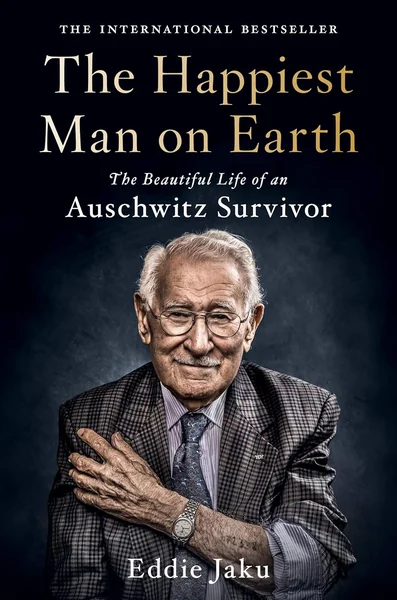
Eddie Jaku
1
Books ReviewedAsk LuvemBooks about Eddie Jaku
- Where should I start?
- With only one reviewed title on LuvemBooks, the answer is straightforward: begin with The Happiest Man on Earth. It is both a Holocaust memoir and a quietly argued case for living well in the aftermath of atrocity, and its relatively short length makes it accessible without feeling thin. The book's 4.8-star Amazon reader rating across more than 29,000 ratings is a reliable signal that it connects with an unusually broad range of readers, not just those who seek out Holocaust literature specifically.
- What's their writing style?
- Jaku writes in a warm, conversational register that reflects his background as a public speaker rather than a professional author — the prose feels like a very careful, considered talk rather than a literary performance. He moves between specific wartime anecdotes and short, aphoristic reflections on what those moments meant, giving the book a rhythm that alternates between testimony and wisdom. What makes his voice distinctive is the absence of bitterness: he acknowledges horror directly but consistently pivots toward what survived or was rebuilt, which gives the memoir an unusual emotional texture among Holocaust accounts.
- Books we've reviewed
- LuvemBooks has reviewed one title by Eddie Jaku: The Happiest Man on Earth: The Beautiful Life of an Auschwitz Survivor, a Biography & Memoir that doubles as a sustained argument for choosing happiness after catastrophic loss, backed by an Amazon reader rating of 4.8 out of 5 from over 29,000 ratings.
- What genre do they write?
- Eddie Jaku wrote in the Biography & Memoir genre, specifically within the tradition of Holocaust testimony and survivor literature. His book is not purely a historical account, however — it blends personal memoir with philosophical reflection in a way that also places it alongside books about resilience, meaning-making, and how to live. Readers drawn to works like Viktor Frankl's Man's Search for Meaning often find Jaku's book covers similar emotional and philosophical territory.
- What should I read after The Happiest Man on Earth?
- Readers who connect with Jaku's blend of Holocaust testimony and philosophy about how to live often move on to Viktor Frankl's Man's Search for Meaning, which covers similar ground from a psychoanalytic perspective. For more Holocaust memoir that centres survival and resilience, Elie Wiesel's Night is a natural companion. If it is Jaku's optimism and his argument for chosen happiness that resonated most, then works like The Book of Joy by the Dalai Lama and Desmond Tutu pursue that question from a very different angle but with comparable warmth.
Who is Eddie Jaku?
Follow up
Synthesized from verified book data & published reviews · How we review
Press Enter to ask. Answers come from our editorial Q&A — start typing to see related questions.
Authors Like Eddie Jaku
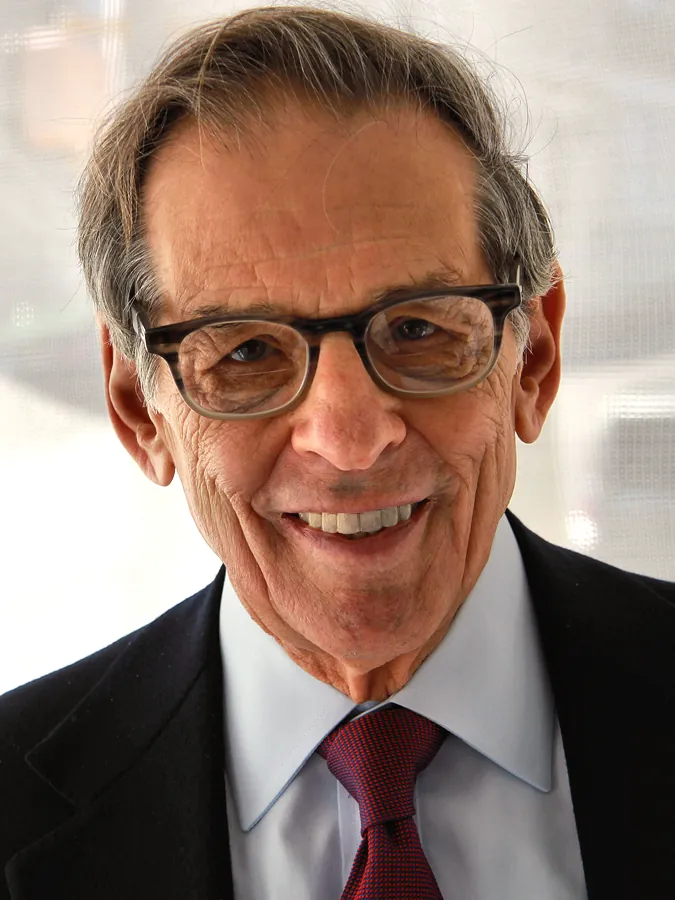
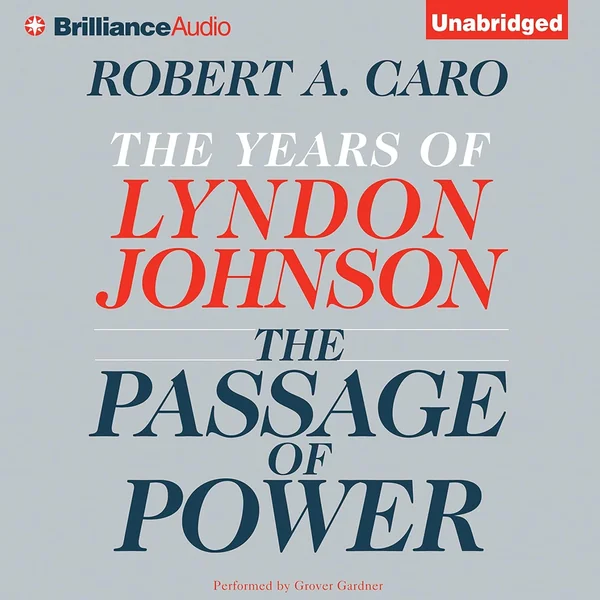
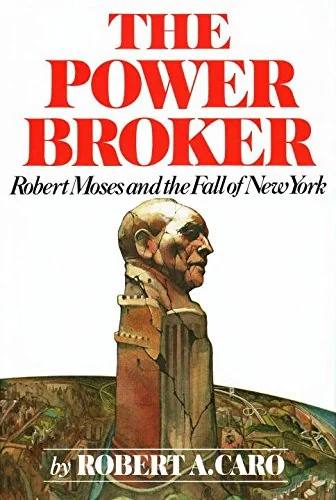
Robert A. Caro
Robert Allan Caro is an American journalist and author known for his biographies of United States political figures Robert Moses and Lyndon Johnson..
4 books reviewed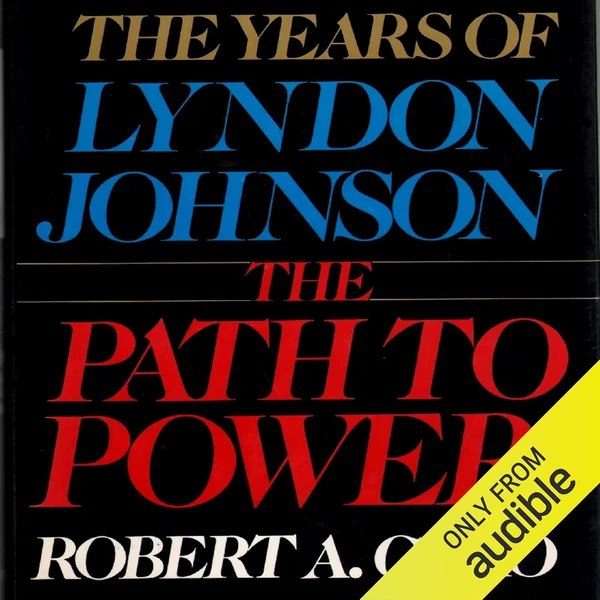
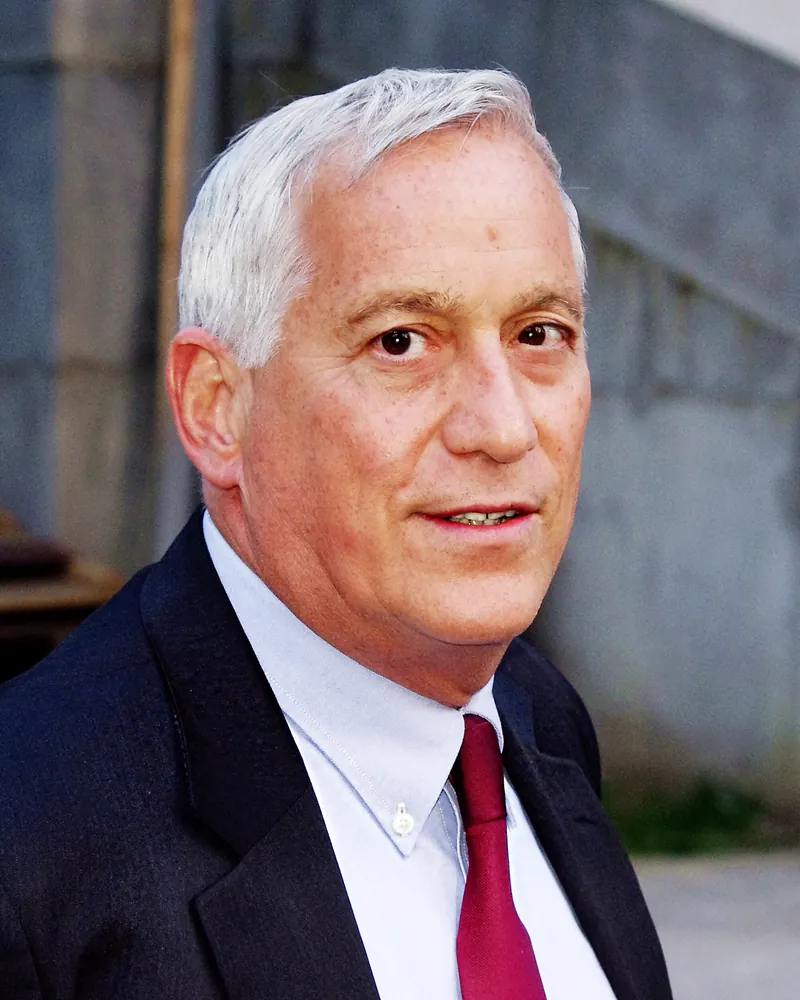
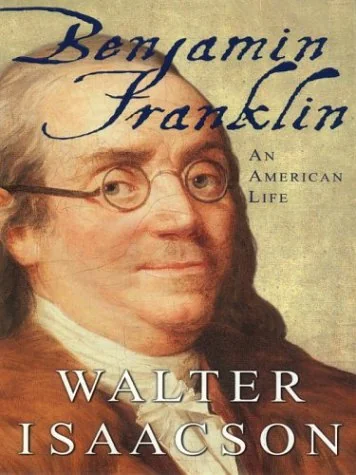
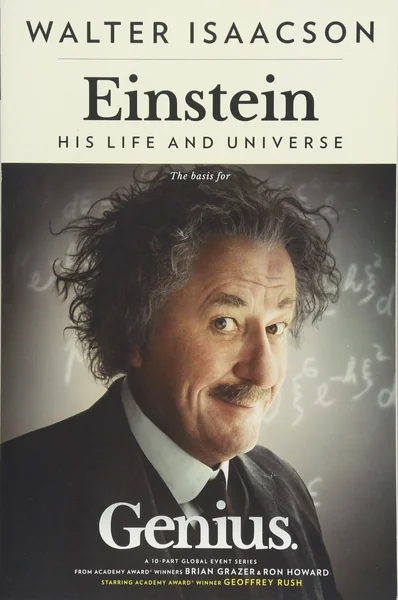
Walter Isaacson
Walter Seff Isaacson is an American journalist who has written biographies of Henry Kissinger, Benjamin Franklin, Leonardo da Vinci, Albert Einstein, Steve Jobs, Jennifer Doudna, and Elon Musk.
3 books reviewed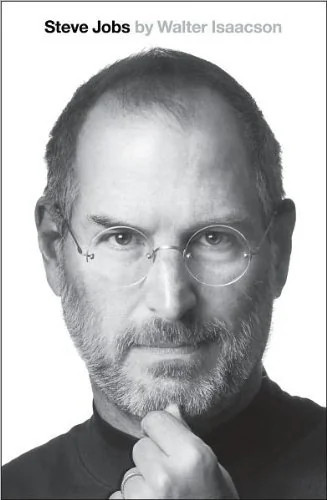

Ron Chernow
Ronald Chernow is an American writer, journalist, and biographer.
1 book reviewed
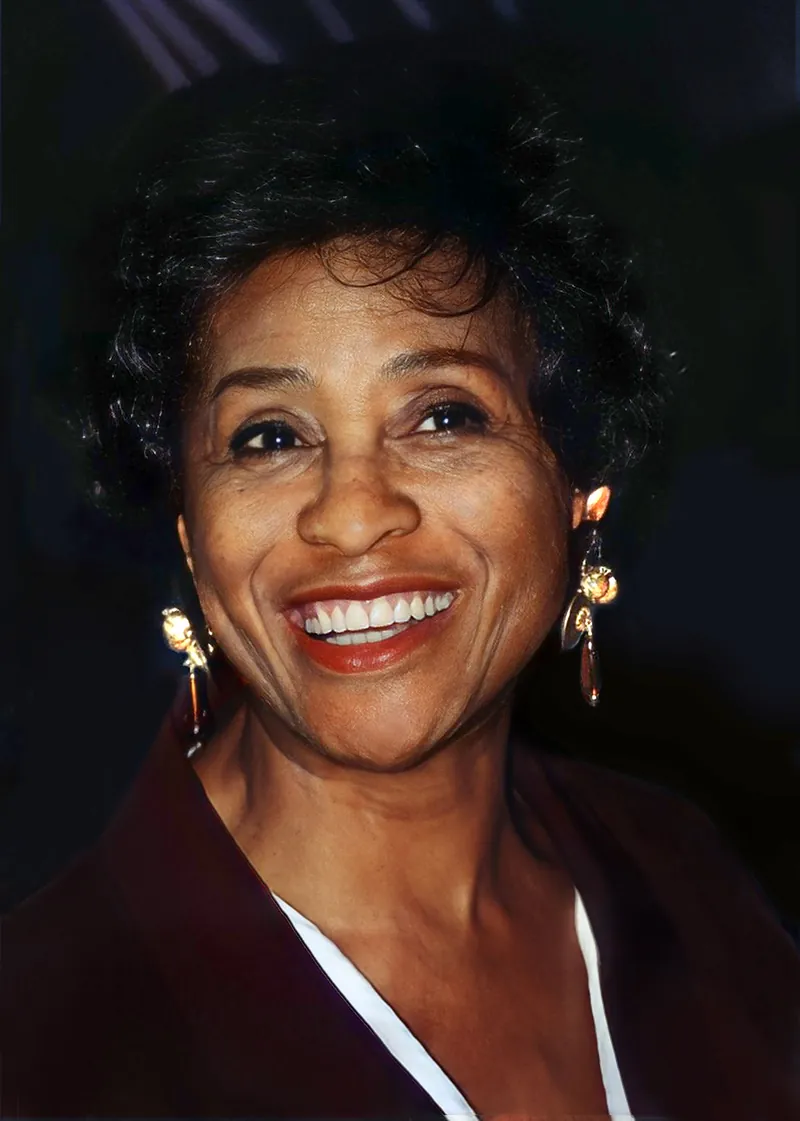
Marla Gibbs
Marla Gibbs is an American actress, singer, comedian, writer, and television producer whose career spans seven decades.
1 book reviewed
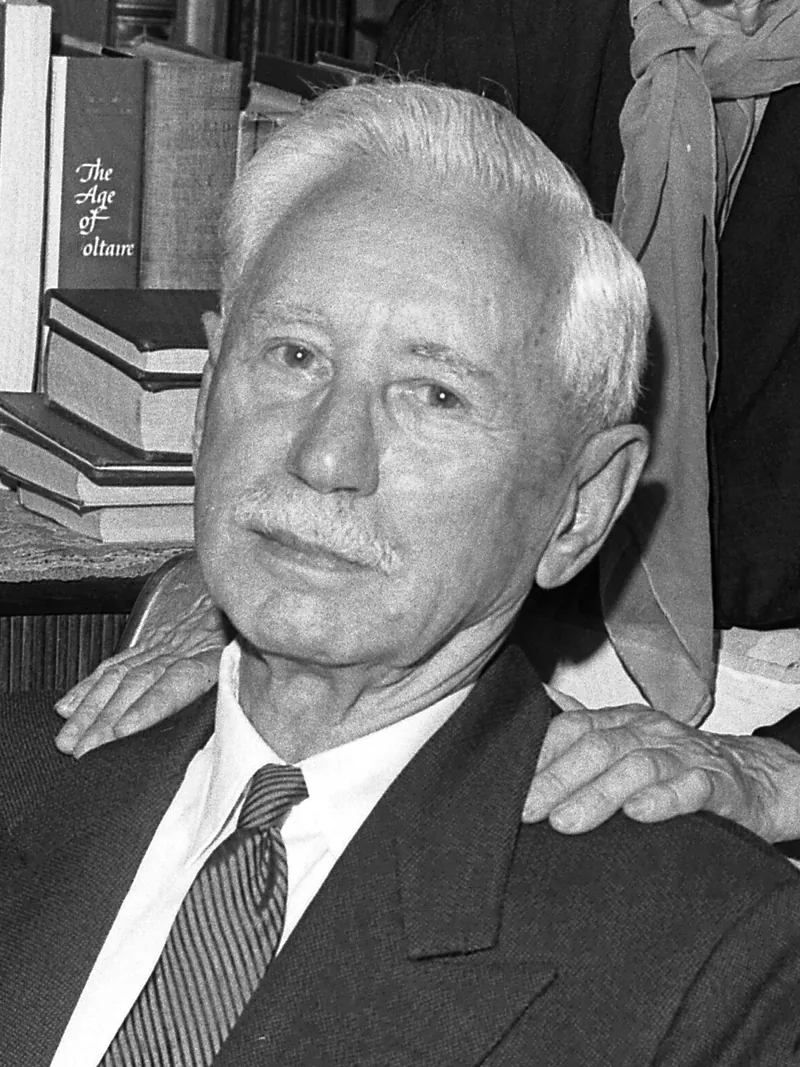
Will Durant
William James Durant was an American historian and philosopher, best known for his eleven-volume work, The Story of Civilization, which contains and details the history of Eastern and Western civilizations.
1 book reviewed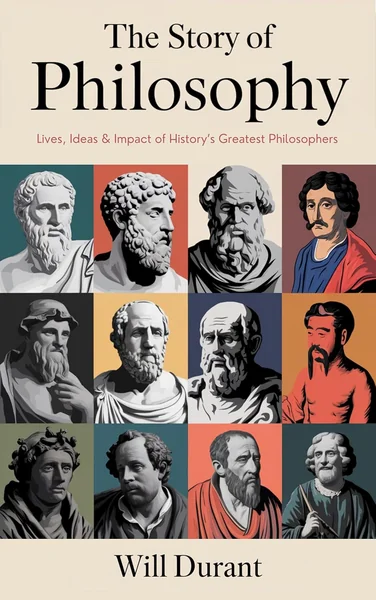
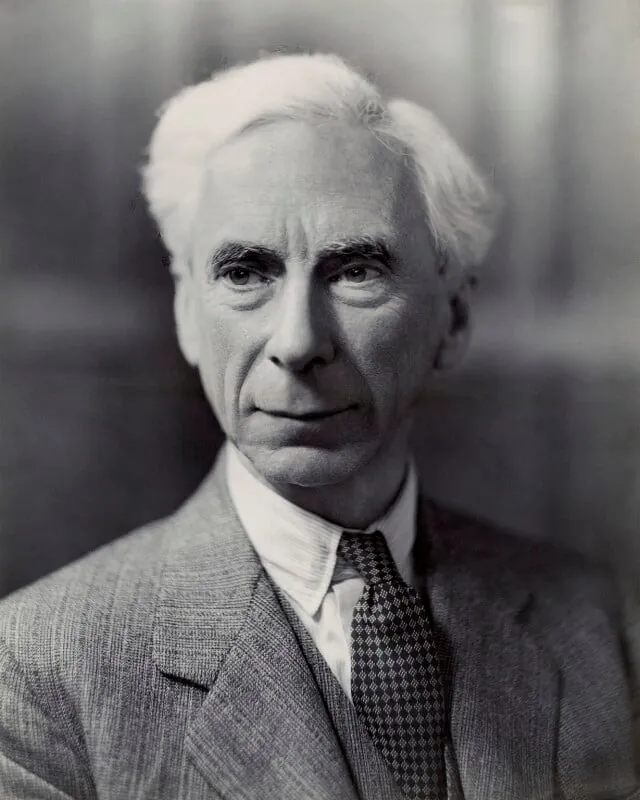
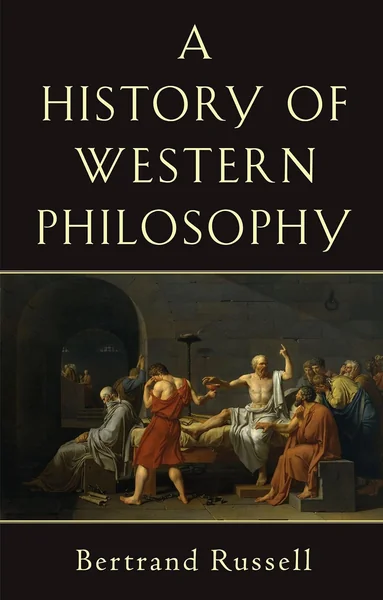
Bertrand Russell
Bertrand Arthur William Russell (1872–1970) was a British philosopher, logician, and writer, born on 18 May 1872 at Trelleck. A founding figure of analytic philosophy and logicism, he published extensively on logic, epistemology, and the theory of knowledge, with his best-known works including Principia Mathematica and A History of Western Philosophy (1945), which became a bestseller. He received the 1950 Nobel Prize for Literature.
1 book reviewed