8 min read
4.4
· 78 Amazon ratingsShare This Review
I Could Live Here by Ellen Barone Review: A Decade of Nomadic Midlife Reinvention
Ellen Barone's debut memoir chronicles the decade-long nomadic journey she and her husband Hank embarked on after their rented house sold unexpectedly in 2011 — a planned one-year experiment through four countries that quietly expanded into a way of life spanning multiple continents. Published in 2023 by Abhuta, the memoir is a candid, open-hearted account of long-stay travel, shifting notions of home, and the personal transformation that comes from choosing impermanence over rootedness.
LuvemBooks Verdict
Best for
Midlife readers contemplating long-term travel abroad, expatriate life, or slow travel who want a memoir that interrogates what home and belonging genuinely mean — not just where to go next.
Worth it if
You're drawn to travel memoirs that move beyond itinerary into real philosophical inquiry about identity and place, and you want a decade-long longitudinal perspective rather than a short-trip snapshot.
Skip if
You're looking for a gritty, unvarnished account of financial hardship or logistical chaos on the road — the narrative arc here is reflective and inward rather than raw, and the premise assumes a degree of freedom (no fixed employment, no school-age children) that not all midlife readers will share.
What readers & critics say
Publisher and author framing at ellenbarone.com and icouldliveherebook.com describe the memoir as "intimate and revelatory" and "an open-hearted chronicle of change and adaptation." Reader voices on amazon.ca characterise it as going "beyond a travel memoir," praising its exploration of love, connection, and loss and calling it "an encouraging read" that motivated action.
Sources: ellenbarone.com, icouldliveherebook.com, amazon.caAsk LuvemBooks
Was this helpful?
- Is it worth reading?
- For readers drawn to the intersection of place, identity, and belonging, I Could Live Here offers something rare: a travel memoir grounded in a genuine decade of nomadic living rather than a snapshot journey, with the professional craft to match its ambitions. Barone's fifteen years of travel writing background means the prose is controlled and interior, not simply descriptive, and the central thesis about home being a feeling rather than a fixed address is genuinely tested rather than merely asserted. The key caveat is that the book's premise rests on a specific kind of midlife freedom — no fixed employment, no school-age children — that many readers won't share, which may limit practical relatability. As a debut from an independent press, it also lacks the wide critical reception that would help situate it firmly within the genre.
- Similar books
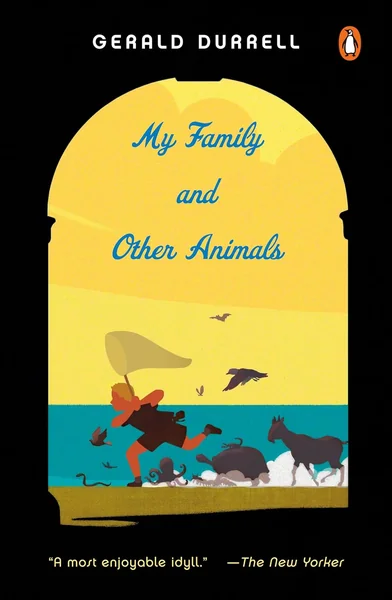
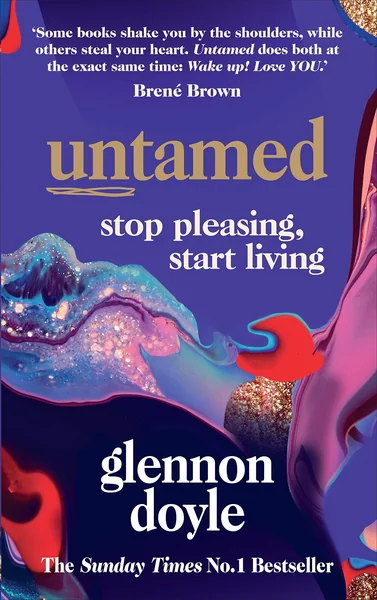
- Readers who connect with I Could Live Here will find kindred titles among the related books curated below. Ryan Benz's Wander: A Memoir of Letting Go shares the theme of releasing conventional anchors and embracing movement as a way of life. Glennon Doyle's Untamed likewise explores midlife reinvention and the courage to dismantle a settled life in favor of something more authentically chosen. For a lighter, place-rooted memoir with a similar sense of belonging found in unexpected circumstances, Gerald Durrell's My Family and Other Animals traces a family's immersive life on Corfu with warmth and specificity. Melissa L. Cook's The Call of the Last Frontier offers another perspective on choosing an unconventional, place-defined life far from the mainstream.
- Who should read this?
- I Could Live Here is most squarely aimed at readers curious about long-term travel abroad, contemplating expatriate life or slow travel, or drawn to memoirs that treat midlife as genuine opportunity for reinvention rather than crisis. It speaks directly to anyone renegotiating what home means after a major life change — whether prompted by an empty nest, a career shift, retirement, or simple restlessness. Readers who appreciate travel writing that goes beyond destination highlights toward interior, philosophical territory will find Barone's voice rewarding. Those whose lives involve fixed employment, school-age children, or other immovable obligations may find the premise aspirational rather than immediately applicable.
- About Ellen Barone
- Shari Shattuck is an American actress and author.
- What are the main themes?
- The memoir's central themes are home and belonging — specifically, the argument that home is not a fixed place but "a feeling, a relationship, a way of being in the world." Woven through that are themes of midlife reinvention, the paradox of belonging without a fixed address, and the shifting bonds between two people when their shared life is deliberately unmoored. Barone also explores the quieter textures of long-stay travel: forming lasting friendships in temporary spaces, navigating new cultures and languages, and the personal transformation that accumulates over a decade rather than a single trip.
- Does it offer practical travel advice?
- I Could Live Here is not a practical guidebook — Barone's professional background in travel writing is put to use in service of emotional and philosophical depth rather than destination logistics or budgeting tips. The memoir documents the experience of long-stay travel across multiple continents, including settling into temporary homes and navigating different cultures, but readers seeking actionable how-to advice on slow travel or expatriate life will need to look elsewhere. The value here is in perspective and lived experience rather than practical instruction.
Summarize this book
Follow up
Synthesized from verified book data & published reviews · How we review
Press Enter to ask. Answers come from our editorial Q&A — start typing to see related questions.
Age & Reading Level
Recommended age
Adult
Reading level
Adult
who it suits
Skip if you want raw, unvarnished accounts of financial hardship or logistical struggle in nomadic life — the memoir's arc is notably smooth and aspirational.
Our Review
What the Book Is and What It Argues

The Premise and Its Personal Depth
Barone's Voice and Background
Genuine Limitations and Who May Find It Frustrating
Who This Book Is For
Sources & Further Reading
The key facts and claims in this review are grounded in the retrieved, verified sources listed below.
- Cited in this review
- 1
icouldliveherebook.com
- 2
- 3
ellenbarone.com
- Further reading
- 4
- 5
ellenbarone-new.squarespace.com
- 6
- 7
- 8
- 9
- 10
Books like I Could Live Here
Curated picks for readers who enjoyed I Could Live Here, with our reasoning for each match.
If you liked I Could Live Here