7 min read
4.2
· 2,516 Amazon ratingsShare This Review
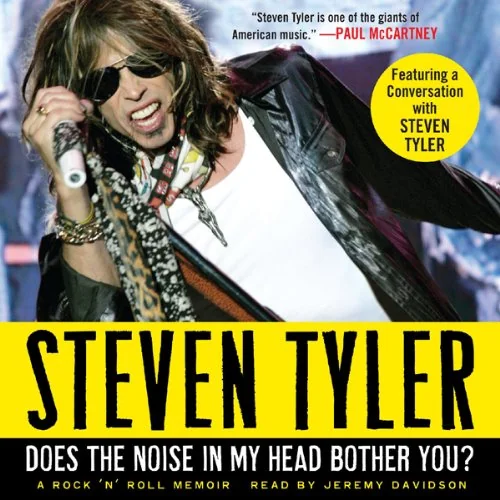
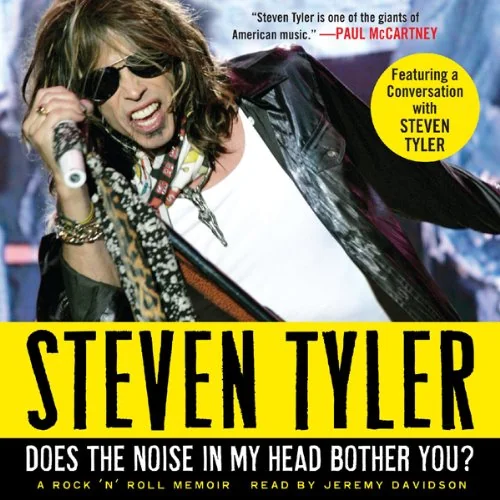
Does the Noise in My Head Bother You? by Steven Tyler Review: A Wild, Unfiltered Rock Memoir
Steven Tyler's memoir is a brash, fast-moving account of one of rock's most chaotic careers — compelling for its candor and voice, though undermined at points by factual slippage that critics have flagged. This review covers the book's content and published reception; it does not reflect hands-on use or reading.
LuvemBooks Verdict
Best for
Aerosmith fans and devotees of the maximalist rock memoir tradition who want an unfiltered, raucous portrait of Steven Tyler's personality more than a rigorous or fact-checked account of the band's history.
Worth it if
You're drawn to high-energy, tell-all rock storytelling and can forgive chronological chaos and factual slippage in exchange for a careening, frequently hilarious voice — especially in the passages where Tyler reflects seriously on Aerosmith's craft and sound.
Skip if
You're approaching it as a reliable historical reference for Aerosmith's discography or timeline — the New York Times documented specific factual errors significant enough to undermine its value as a factual record, and the freewheeling structure offers little in the way of editorial discipline.
What readers & critics say
The New York Times reviewed the memoir as doing for Keith Richards's "Life" what Aerosmith did for the Rolling Stones — "faster, sleazier and pulpier" — while also noting Tyler "never slows down to get his stories straight," with documented errors in dates and song titles. The Barnes & Noble page aggregates blurbs describing it as "a frank, full, and colorful accounting of the band's tumultuous history" and "so salacious and juicy readers might consider wearing bibs while devouring its prurient pages."
“Does for Keith Richards's memoir what Aerosmith did for the Rolling Stones: faster, sleazier and pulpier, and somehow makes even less sense.”
— nytimes.comAsk LuvemBooks
Was this helpful?
- Is it worth reading?
- For readers already invested in Aerosmith's mythology and in Tyler as a larger-than-life figure, the memoir delivers what its title promises: a wild, personality-driven ride that USA Today credited with "a frank, full, and colorful accounting of the band's tumultuous history." The passages on Aerosmith's musical craft are, per the New York Times, genuinely fascinating. However, readers seeking a disciplined or rigorously fact-checked account of Aerosmith's history will find the documented errors — misdated songs, garbled song titles, and scrambled chronology — a meaningful drawback. The audiobook format, narrated by Jeremy Davidson at 13 hours and 2 minutes, is a natural fit for listeners who want the storytelling energy front and center.
- Who should read this?
- The memoir is designed for readers already invested in Aerosmith's mythology and in Steven Tyler as a larger-than-life rock personality — not for those seeking a methodical or rigorously fact-checked music history. Fans of the maximalist, tell-all rock memoir tradition will find it amply stocked, and those specifically drawn to Aerosmith's creative history will find the passages on musical craft especially rewarding. Readers who want precision, editorial discipline, or a reliable discographic reference should look elsewhere.
- Similar books
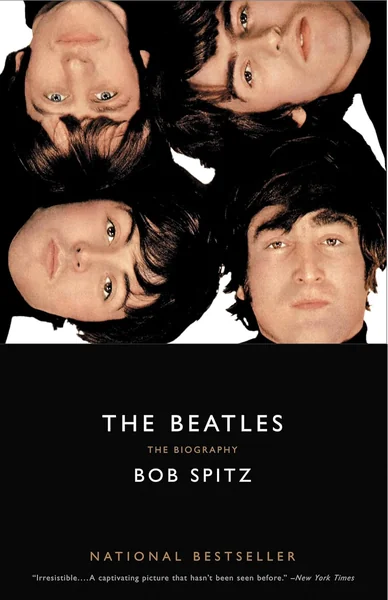
- Readers who enjoy Does the Noise in My Head Bother You? will find strong company among several other rock and music memoirs. Bob Spitz's The Beatles: The Biography offers a meticulously researched counterpart for fans of deep-dive music history. Tori Amos's Piece by Piece and Simon Morrison's Mirror in the Sky: The Life and Music of Stevie Nicks provide further portraits of iconic rock figures from different angles. Lionel Richie's Truly and Lisa-Marie Presley and Riley Keough's From Here to the Great Unknown round out the shelf with candid, personality-rich accounts from the heart of rock and pop royalty. Tom Piazza's Living in the Present with John Prine is a more intimate, craft-focused companion for readers drawn to the musical-craft passages Tyler's memoir handles best.
- About Steven Tyler
- Steven Victor Tallarico, known professionally as Steven Tyler, is an American singer and songwriter.
- What are the main themes?
- The memoir covers several overlapping threads: Tyler's origins growing up in Yonkers and the Bronx and absorbing Greenwich Village's beatnik scene, Aerosmith's rise and turbulent career, and Tyler's personal excesses and self-reinventions. A recurring undercurrent, and the passages critics found most compelling, concerns the craft and mechanics of Aerosmith's music — how the band's sound was built and rebuilt across decades. The book's broader tone, as reflected in chapter titles like "I'm Not a Bad Guy (Just Egotestical)" and "Hammered with Hemingway," is irreverent, self-aware, and relentlessly confessional.
- Is this a good book club pick?
- The memoir offers rich material for discussion precisely because it is so contradictory: a book where the storytelling energy and candor are genuine strengths, but the factual slippage documented by the New York Times raises real questions about memoir as a form and the role of a co-author in shaping accuracy. Groups with a shared interest in rock history, Aerosmith, or the conventions of the celebrity memoir will find plenty to debate — from the freewheeling structure to the tension between Tyler's voice and the historical record. It is less suited to groups looking for a tightly constructed narrative to analyze.
Summarize this book
Follow up
Synthesized from verified book data & published reviews · How we review
Press Enter to ask. Answers come from our editorial Q&A — start typing to see related questions.
Age & Reading Level
Recommended age
Ages 17+
Reading level
Adult
3 content notes · who it suits
Content to know about
Best for: Adults / mature older teens 17+ — explicit accounts of drug use, sexual content, and rock-and-roll excess throughout.
Skip if you want a rigorously fact-checked, chronologically disciplined account of Aerosmith's history.
Our Review
What the Book Actually Is
Energy, Voice, and Candor
The Factual Credibility Problem
Where the Memoir Shines Most
Who This Book Is For
Sources & Further Reading
The key facts and claims in this review are grounded in the retrieved, verified sources listed below.
- 1
Steven Tyler, Wikipedia
Books like Does the Noise in My Head Bother You?
Curated picks for readers who enjoyed Does the Noise in My Head Bother You?, with our reasoning for each match.
If you liked Does the Noise in My Head Bother You?